ADVERTISEMENT

Gold and grit: 2 self-made stories worth wearing

Published Jul 9, 2025 05:06 pm
What do a streetwise bagmaker and a jewelry-loving mom have in common?
More than you'd think.
In a market overrun by mass production and algorithm-driven trends, two Filipino entrepreneurs are building quietly—and by hand. One stitches his hustle into a weather-worn canvas. The other turns karats into confidence.
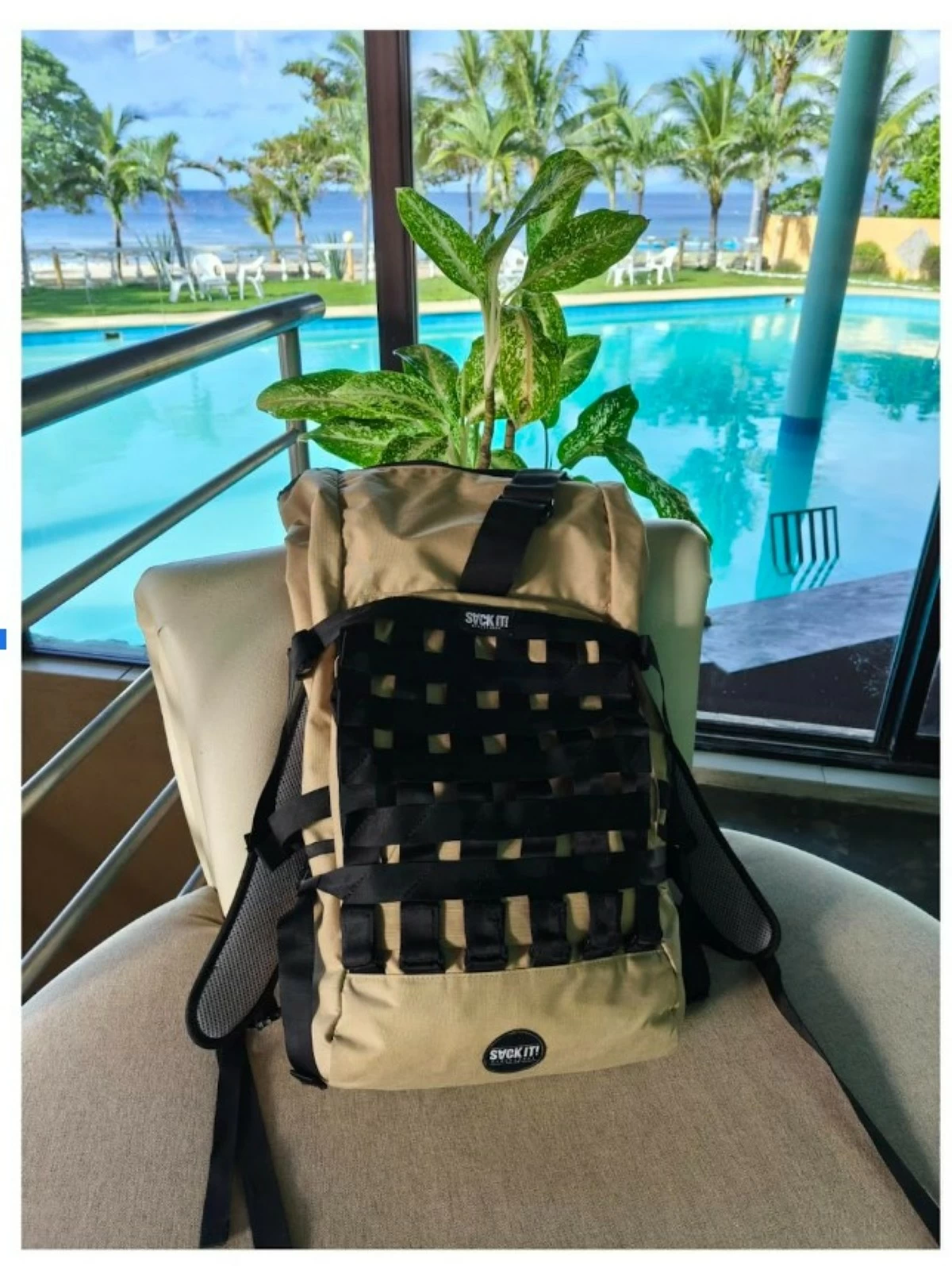
Meet Marvin Corpuz, the skater behind Sackit Philippines, a brand known in underground bike and skate circles for its hand-sewn, street-smart bags. And Ryza Razo, the woman redefining what it means to “wear your wealth” through her fast-growing jewelry line, Sparkles.ph.
Their crafts couldn’t be more different. But both stand on the same ground: self-made, purpose-built, and unmistakably Filipino.
He sewed through the noise
Marvin didn’t plan on becoming a bagmaker. He just needed a way to carry his skateboard into places that didn’t want it.
“Bawal sa mall. Bawal sa tren. Kailangan nakatago (You couldn't bring skateboards into malls or on the train. They had to be hidden),” he says.

So he made a bag. Then a friend wanted one. Then another. By 2011, Sackit Philippines was born.
Marvin has no factory. No production team. Every bag is hand-cut, hand-sewn, and stress-tested on the same streets he rides. In the early 2000s, he started sewing gear for the growing fixed-gear bike scene—pedal straps, custom carriers, all stitched from the same hands that once gripped grip tape.
Then the pandemic hit. With events canceled and the city on pause, he nearly gave up.
“Pauwi na ako ng probinsya. Wala na eh (I was ready to go home to the province. There was nothing left),” he recalls.
But then bikes became essential. Public transport was down. Everyone was cycling—and everyone needed bags. Sackit didn’t die. It exploded.
“Hindi ako tumigil kasi mahal ko ginagawa ko (I didn’t stop because I love what I do),” he says.
Today, Sackit bags are worn across skateparks, bike alleys, and basements where people still build things with their bare hands.
She sparkled through the chaos
While Marvin stitched survival, Ryza Razo polished hers.
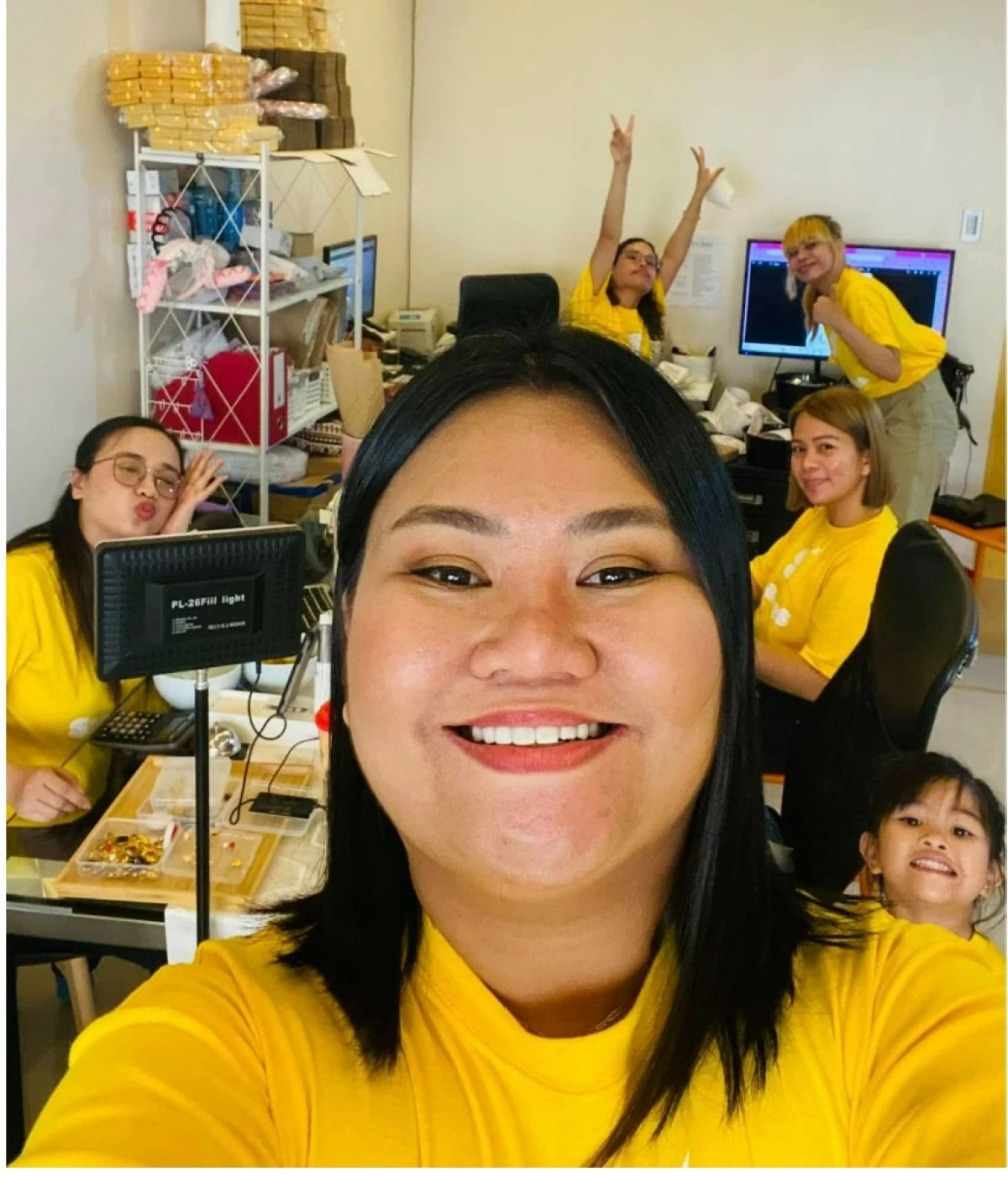
A working mom with an eye for timeless design, she saw gold jewelry not as a luxury—but as strategy. Sparkles.ph was her way of turning beauty into something bankable.
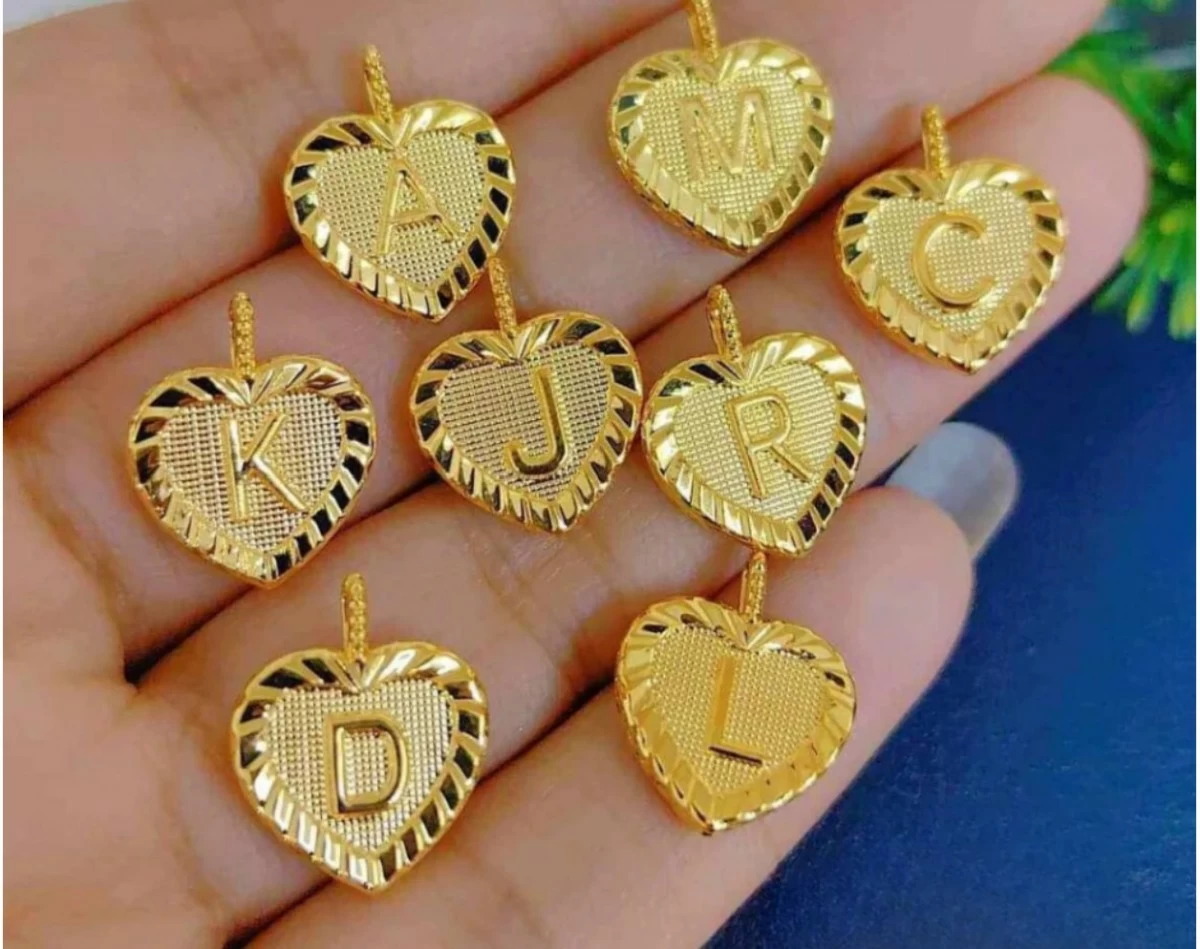
“At first, I was just buying jewelry for myself,” she says. “But then I thought—this can be for other women too. Something they can wear, enjoy, and know it holds value.”
In Filipino homes, gold is more than adornment—it’s security. It’s inherited. Pawned. Protected. Ryza tapped into that tradition but gave it a sleek, wearable upgrade. No gaudy markups. No intimidating showrooms. Just simple elegance that women could trust—and afford.
“Sparkles isn’t just about pretty things,” she explains. “It’s a reminder that style can be smart.”
Her community grew organically—moms, young professionals, women recovering from heartbreak or building their first savings. On Instagram, she doesn’t sell—she connects. Styling tips. Quiet affirmations. Real stories from real women.
“Hindi siya luho. It’s value that grows with you (It’s not a luxury. It’s value that grows with you),” she says.
Different paths, same pulse
Ryza and Marvin come from opposite sides of the hustle—gold and grit, polish and street. But they share something essential: a belief in slow things done well.
Neither relies on trends. They don’t have influencer budgets. They have something better—conviction.
Marvin still sews each Sackit bag himself. Ryza still inspects each jewelry drop before it goes live. They’re not just building businesses. They’re building trust.
The real worth of local
In a world of fast fashion and copy-paste branding, supporting local doesn’t just make economic sense—it makes emotional sense.
When you buy a Sackit bag, you’re carrying someone’s second chance.
When you wear a Sparkles piece, you’re holding a slice of generational wisdom—updated for right now.
Every peso spent fuels a kitchen, a kid’s future, a quiet kind of pride that doesn’t go viral but keeps families going.
Because what’s made by hand, stays close to the heart.

Related Tags

SPOTLIGHT FEATURES
ADVERTISEMENT
.most-popular .layout-ratio{ padding-bottom: 79.13%; } @media (min-width: 768px) and (max-width: 1024px) { .widget-title { font-size: 15px !important; } }

{{ articles_filter_1561_widget.title }}

.most-popular .layout-ratio{ padding-bottom: 79.13%; } @media (min-width: 768px) and (max-width: 1024px) { .widget-title { font-size: 15px !important; } }

{{ articles_filter_1562_widget.title }}

.most-popular .layout-ratio{ padding-bottom: 79.13%; } @media (min-width: 768px) and (max-width: 1024px) { .widget-title { font-size: 15px !important; } }

{{ articles_filter_1563_widget.title }}

{{ articles_filter_1564_widget.title }}

.mb-article-details { position: relative; } .mb-article-details .article-body-preview, .mb-article-details .article-body-summary{ font-size: 17px; line-height: 30px; font-family: "Libre Caslon Text", serif; color: #000; } .mb-article-details .article-body-preview iframe , .mb-article-details .article-body-summary iframe{ width: 100%; margin: auto; } .read-more-background { background: linear-gradient(180deg, color(display-p3 1.000 1.000 1.000 / 0) 13.75%, color(display-p3 1.000 1.000 1.000 / 0.8) 30.79%, color(display-p3 1.000 1.000 1.000) 72.5%); position: absolute; height: 200px; width: 100%; bottom: 0; display: flex; justify-content: center; align-items: center; padding: 0; } .read-more-background a{ color: #000; } .read-more-btn { padding: 17px 45px; font-family: Inter; font-weight: 700; font-size: 18px; line-height: 16px; text-align: center; vertical-align: middle; border: 1px solid black; background-color: white; } .hidden { display: none; }
function initializeAllSwipers() { // Get all hidden inputs with cms_article_id document.querySelectorAll('[id^="cms_article_id_"]').forEach(function (input) { const cmsArticleId = input.value; const articleSelector = '#article-' + cmsArticleId + ' .body_images'; const swiperElement = document.querySelector(articleSelector); if (swiperElement && !swiperElement.classList.contains('swiper-initialized')) { new Swiper(articleSelector, { loop: true, pagination: false, navigation: { nextEl: '#article-' + cmsArticleId + ' .swiper-button-next', prevEl: '#article-' + cmsArticleId + ' .swiper-button-prev', }, }); } }); } setTimeout(initializeAllSwipers, 3000); const intersectionObserver = new IntersectionObserver( (entries) => { entries.forEach((entry) => { if (entry.isIntersecting) { const newUrl = entry.target.getAttribute("data-url"); if (newUrl) { history.pushState(null, null, newUrl); let article = entry.target; // Extract metadata const author = article.querySelector('.author-section').textContent.replace('By', '').trim(); const section = article.querySelector('.section-info ').textContent.replace(' ', ' '); const title = article.querySelector('.article-title h1').textContent; // Parse URL for Chartbeat path format const parsedUrl = new URL(newUrl, window.location.origin); const cleanUrl = parsedUrl.host + parsedUrl.pathname; // Update Chartbeat configuration if (typeof window._sf_async_config !== 'undefined') { window._sf_async_config.path = cleanUrl; window._sf_async_config.sections = section; window._sf_async_config.authors = author; } // Track virtual page view with Chartbeat if (typeof pSUPERFLY !== 'undefined' && typeof pSUPERFLY.virtualPage === 'function') { try { pSUPERFLY.virtualPage({ path: cleanUrl, title: title, sections: section, authors: author }); } catch (error) { console.error('ping error', error); } } // Optional: Update document title if (title && title !== document.title) { document.title = title; } } } }); }, { threshold: 0.1 } ); function showArticleBody(button) { const article = button.closest("article"); const summary = article.querySelector(".article-body-summary"); const body = article.querySelector(".article-body-preview"); const readMoreSection = article.querySelector(".read-more-background"); // Hide summary and read-more section summary.style.display = "none"; readMoreSection.style.display = "none"; // Show the full article body body.classList.remove("hidden"); } document.addEventListener("DOMContentLoaded", () => { let loadCount = 0; // Track how many times articles are loaded const offset = [1, 2, 3, 4, 5, 6, 7, 8, 9, 10]; // Offset values const currentUrl = window.location.pathname.substring(1); let isLoading = false; // Prevent multiple calls if (!currentUrl) { console.log("Current URL is invalid."); return; } const sentinel = document.getElementById("load-more-sentinel"); if (!sentinel) { console.log("Sentinel element not found."); return; } function isSentinelVisible() { const rect = sentinel.getBoundingClientRect(); return ( rect.top < window.innerHeight && rect.bottom >= 0 ); } function onScroll() { if (isLoading) return; if (isSentinelVisible()) { if (loadCount >= offset.length) { console.log("Maximum load attempts reached."); window.removeEventListener("scroll", onScroll); return; } isLoading = true; const currentOffset = offset[loadCount]; window.loadMoreItems().then(() => { let article = document.querySelector('#widget_1690 > div:nth-last-of-type(2) article'); intersectionObserver.observe(article) loadCount++; }).catch(error => { console.error("Error loading more items:", error); }).finally(() => { isLoading = false; }); } } window.addEventListener("scroll", onScroll); });

Sign up by email to receive news.