







Chemrez gets PCA nod for organic cocolisap pesticide
Published Jul 9, 2025 07:30 pm


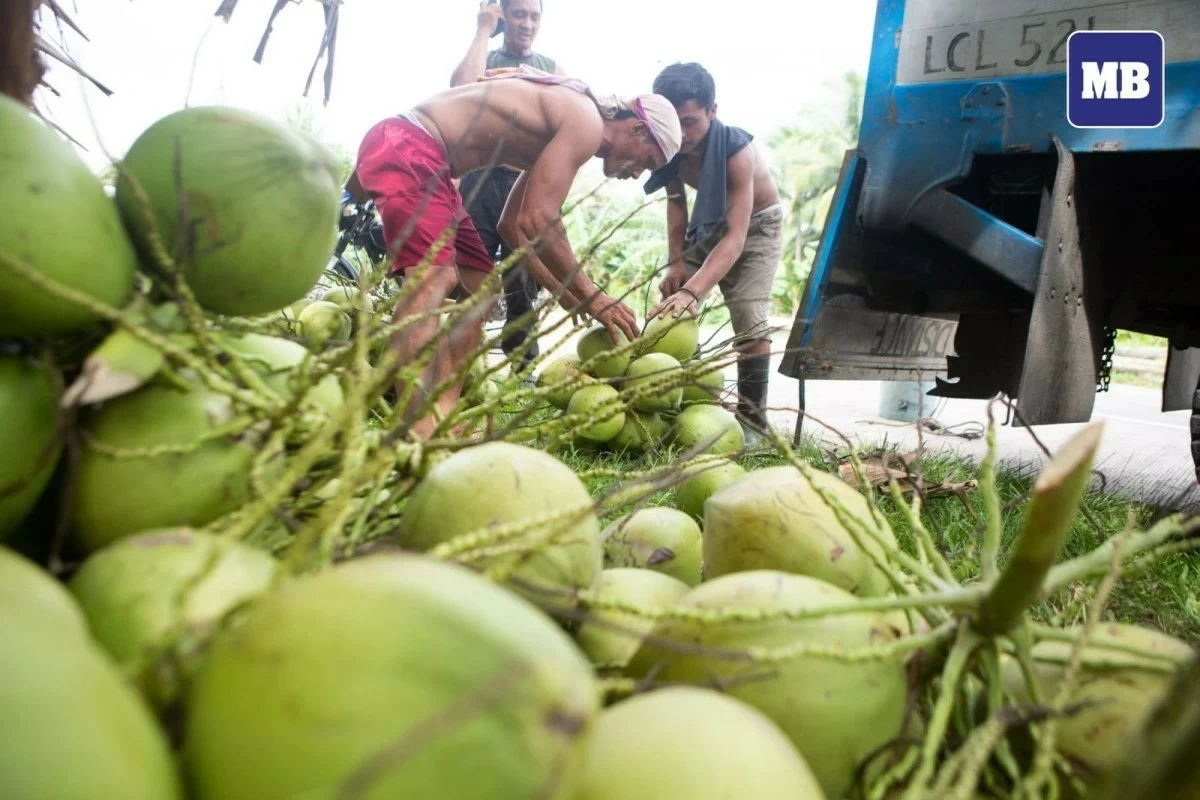
(Manila Bulletin file photo)
The Philippine Coconut Authority (PCA) has approved the use of an organic pesticide developed by Chemrez Technologies Inc., a subsidiary of D&L Industries, a manufacturer of specialty food ingredients and oleochemicals, against the coconut scale insect, also known as Cocolisap.
In a statement, the company announced that the PCA has now integrated CropGuard into its integrated pest management (IPM) framework, providing farmers with additional solutions to protect their livelihoods.
“We commend the PCA for its bold, science-driven stance in support of organic and environmentally responsible farming practices,” said Chemrez Technologies Inc. President Dean Lao Jr.
“This decision underscores a strong commitment to protecting our farmers, our coconut heritage, and our future,” he added.
The PCA’s approval for the pesticide comes as the coconut industry battles the spread of Cocolisap, a leaf-sucking insect that severely impacts coconut trees.
Last month, the agency estimated that losses due to the insect have reached ₱200 million.
Chemrez said the CropGuard is a non-invasive, residue-free alternative that facilitates farmers’ compliance with organic standards while safeguarding both their crops and communities.
Before utilizing organic spray oils such as CropGuard, farmers inject systemic insecticides into coconut trunks, particularly neonicotinoids, to address the proliferation of the pest.
While effective in the short term, trunk injection often leads to significant risks, such as long-term tree damage, disruption of beneficial insects, and potential chemical residues in coconut products.
This method may also invalidate the organic certification of coconut farms, disqualifying farmers from accessing the premium organic market.
Chemrez recommended that farmers spray CropGuard twice, 15 days apart, to ensure the eradication of insects.
With over three million relying on coconut farming as their primary source of livelihood, the company said the endorsement of its product enables farmers to prevent the spread of Cocolisap prior to the necessity of severe interventions.
“This initiative also strengthens the Philippines’ position in the growing global market for organic and sustainably cultivated coconut products,” it said.