ADVERTISEMENT

Majority of Filipinos in Metro Manila supports the 15-minute city model

Published Jul 8, 2025 05:30 pm
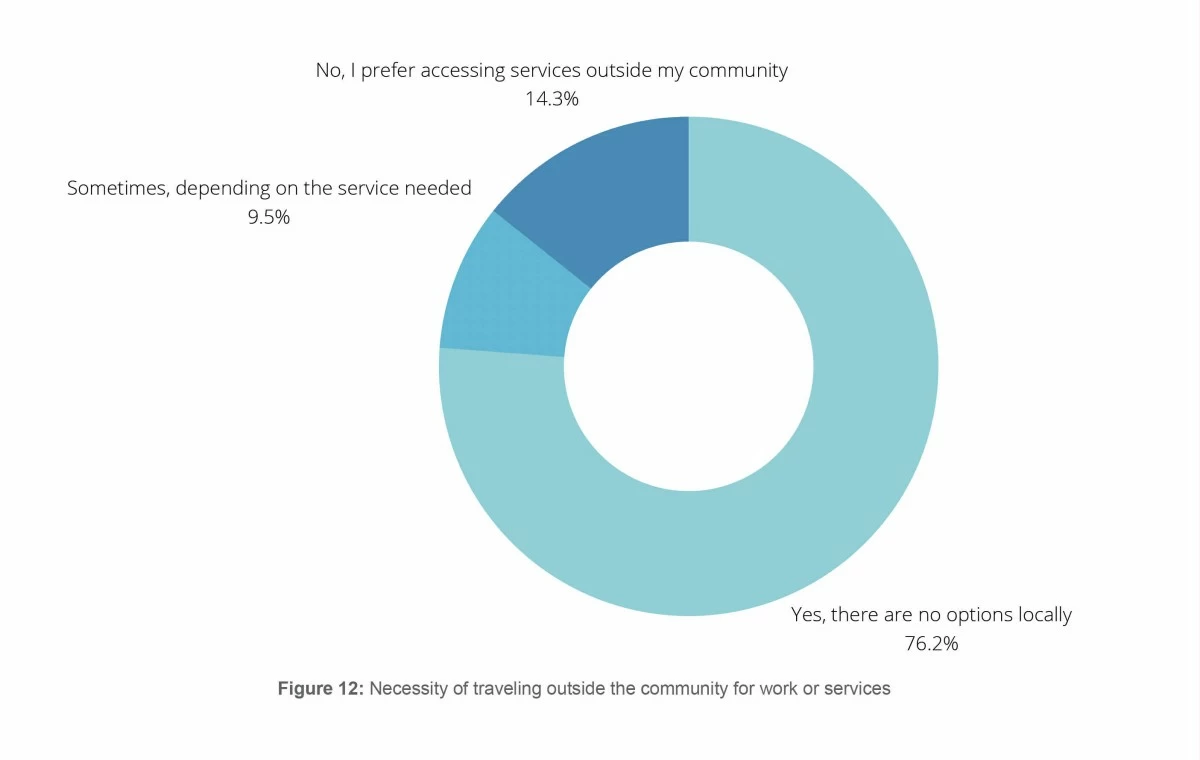
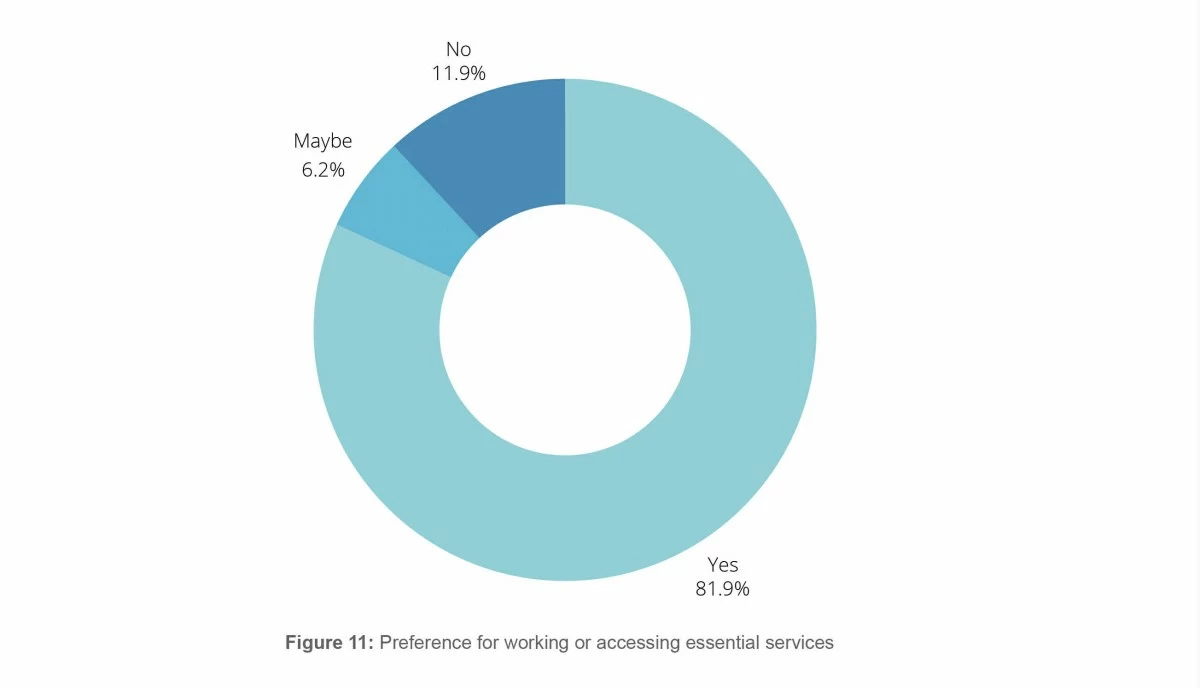
Metro Manila, July 8, 2025 — Findings from the study "Assessing the Viability of the 15-Minute City Model in Metro Manila" reveal that Filipinos are more eager than ever to swap long commutes for a neighborhood-centered lifestyle. In a survey of 420 residents drawn equally from inner-city districts, informal settlements and outer suburbs, 82 percent said they’d prefer to live, work and access daily essentials within a 15-minute walk or bike ride of home—yet 76 percent admit they still travel beyond their own communities simply because they feel local options are lacking.
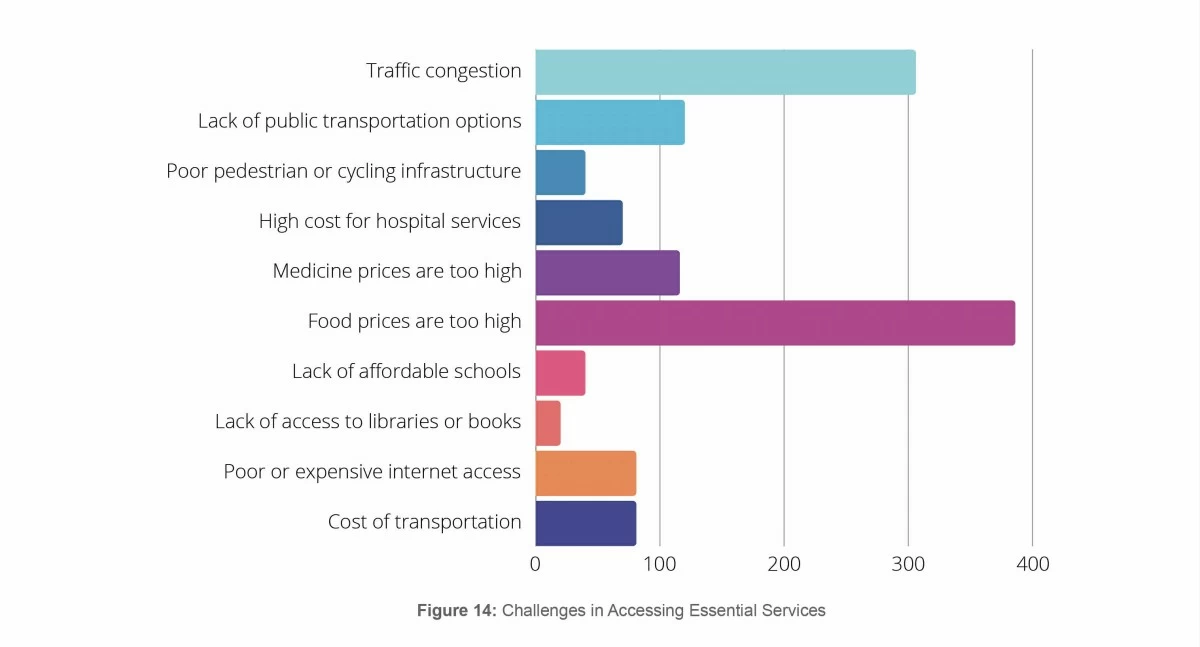
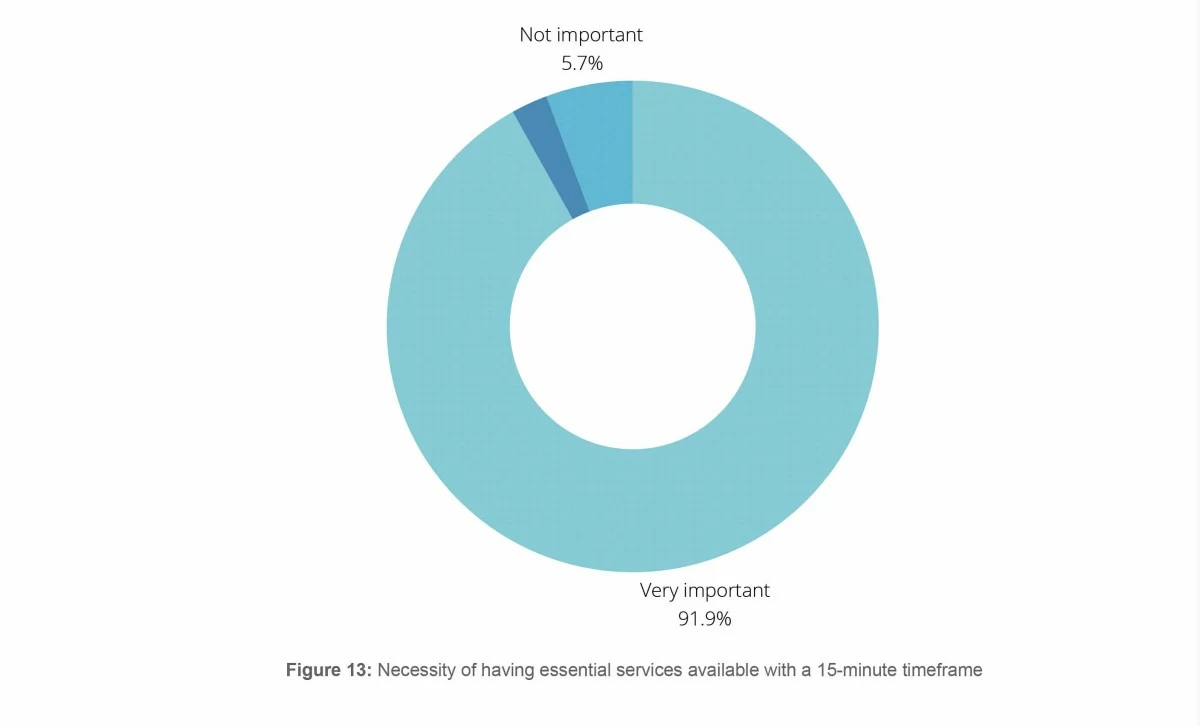
Young adults proved most enthusiastic, with 91 percent voicing support for the 15-minute city concept; older residents were nearly as convinced at 87 percent. For the vast majority, the appeal is practical: 92 percent of those surveyed view having groceries, clinics and schools within easy reach as critical to their quality of life. Yet entrenched obstacles persist: sky-high food prices top the list (92 percent), followed by chronic traffic congestion (73 percent) and steep hospital fees (70 percent). Other barriers include limited public transit (29 percent), unsafe sidewalks and bike lanes (10 percent), high medicine costs (17 percent) and overall transport expenses (19 percent).
Despite these challenges, the model itself has captured the public imagination. Eighty-one percent describe it as “very appealing,” another 9 percent as “somewhat appealing,” and only 9 percent as unappealing. A robust 87 percent believe that implementing the model would boost everyday well-being—citing hopes for more family time (68 percent) and shorter commutes (76 percent). At the same time, respondents warn that without significant investment—71 percent insist on upgraded infrastructure and 72 percent flag funding hurdles—and a shift away from private car dependence (59 percent), the vision could stall.
As Metro Manila grapples with gridlock, rising living costs and sprawling development, experts say these findings arrive at a critical moment. “This survey makes clear that people want to reclaim their neighborhoods,” says Anna Mae Yu Lamentillo. “Now it’s up to government and industry to deliver the roads, bike lanes, mixed-use zones and digital networks that will make a 15-minute city possible.”
The research entitled “Assessing the Viability of the 15-Minute City Model in Metro Manila” by can be downloaded here: https://idr.lse.ac.uk/articles/110/files/684fb02a1d13b.pdf

Related Tags

NATIONAL NEWS
ADVERTISEMENT
.most-popular .layout-ratio{ padding-bottom: 79.13%; } @media (min-width: 768px) and (max-width: 1024px) { .widget-title { font-size: 15px !important; } }

{{ articles_filter_1561_widget.title }}

.most-popular .layout-ratio{ padding-bottom: 79.13%; } @media (min-width: 768px) and (max-width: 1024px) { .widget-title { font-size: 15px !important; } }

{{ articles_filter_1562_widget.title }}

.most-popular .layout-ratio{ padding-bottom: 79.13%; } @media (min-width: 768px) and (max-width: 1024px) { .widget-title { font-size: 15px !important; } }

{{ articles_filter_1563_widget.title }}

{{ articles_filter_1564_widget.title }}

.mb-article-details { position: relative; } .mb-article-details .article-body-preview, .mb-article-details .article-body-summary{ font-size: 17px; line-height: 30px; font-family: "Libre Caslon Text", serif; color: #000; } .mb-article-details .article-body-preview iframe , .mb-article-details .article-body-summary iframe{ width: 100%; margin: auto; } .read-more-background { background: linear-gradient(180deg, color(display-p3 1.000 1.000 1.000 / 0) 13.75%, color(display-p3 1.000 1.000 1.000 / 0.8) 30.79%, color(display-p3 1.000 1.000 1.000) 72.5%); position: absolute; height: 200px; width: 100%; bottom: 0; display: flex; justify-content: center; align-items: center; padding: 0; } .read-more-background a{ color: #000; } .read-more-btn { padding: 17px 45px; font-family: Inter; font-weight: 700; font-size: 18px; line-height: 16px; text-align: center; vertical-align: middle; border: 1px solid black; background-color: white; } .hidden { display: none; }
function initializeAllSwipers() { // Get all hidden inputs with cms_article_id document.querySelectorAll('[id^="cms_article_id_"]').forEach(function (input) { const cmsArticleId = input.value; const articleSelector = '#article-' + cmsArticleId + ' .body_images'; const swiperElement = document.querySelector(articleSelector); if (swiperElement && !swiperElement.classList.contains('swiper-initialized')) { new Swiper(articleSelector, { loop: true, pagination: false, navigation: { nextEl: '#article-' + cmsArticleId + ' .swiper-button-next', prevEl: '#article-' + cmsArticleId + ' .swiper-button-prev', }, }); } }); } setTimeout(initializeAllSwipers, 3000); const intersectionObserver = new IntersectionObserver( (entries) => { entries.forEach((entry) => { if (entry.isIntersecting) { const newUrl = entry.target.getAttribute("data-url"); if (newUrl) { history.pushState(null, null, newUrl); let article = entry.target; // Extract metadata const author = article.querySelector('.author-section').textContent.replace('By', '').trim(); const section = article.querySelector('.section-info ').textContent.replace(' ', ' '); const title = article.querySelector('.article-title h1').textContent; // Parse URL for Chartbeat path format const parsedUrl = new URL(newUrl, window.location.origin); const cleanUrl = parsedUrl.host + parsedUrl.pathname; // Update Chartbeat configuration if (typeof window._sf_async_config !== 'undefined') { window._sf_async_config.path = cleanUrl; window._sf_async_config.sections = section; window._sf_async_config.authors = author; } // Track virtual page view with Chartbeat if (typeof pSUPERFLY !== 'undefined' && typeof pSUPERFLY.virtualPage === 'function') { try { pSUPERFLY.virtualPage({ path: cleanUrl, title: title, sections: section, authors: author }); } catch (error) { console.error('ping error', error); } } // Optional: Update document title if (title && title !== document.title) { document.title = title; } } } }); }, { threshold: 0.1 } ); function showArticleBody(button) { const article = button.closest("article"); const summary = article.querySelector(".article-body-summary"); const body = article.querySelector(".article-body-preview"); const readMoreSection = article.querySelector(".read-more-background"); // Hide summary and read-more section summary.style.display = "none"; readMoreSection.style.display = "none"; // Show the full article body body.classList.remove("hidden"); } document.addEventListener("DOMContentLoaded", () => { let loadCount = 0; // Track how many times articles are loaded const offset = [1, 2, 3, 4, 5, 6, 7, 8, 9, 10]; // Offset values const currentUrl = window.location.pathname.substring(1); let isLoading = false; // Prevent multiple calls if (!currentUrl) { console.log("Current URL is invalid."); return; } const sentinel = document.getElementById("load-more-sentinel"); if (!sentinel) { console.log("Sentinel element not found."); return; } function isSentinelVisible() { const rect = sentinel.getBoundingClientRect(); return ( rect.top < window.innerHeight && rect.bottom >= 0 ); } function onScroll() { if (isLoading) return; if (isSentinelVisible()) { if (loadCount >= offset.length) { console.log("Maximum load attempts reached."); window.removeEventListener("scroll", onScroll); return; } isLoading = true; const currentOffset = offset[loadCount]; window.loadMoreItems().then(() => { let article = document.querySelector('#widget_1690 > div:nth-last-of-type(2) article'); intersectionObserver.observe(article) loadCount++; }).catch(error => { console.error("Error loading more items:", error); }).finally(() => { isLoading = false; }); } } window.addEventListener("scroll", onScroll); });

Sign up by email to receive news.