







Taking care of the hands that tell our stories
Handcare methods worth looking into
Published Jul 7, 2025 01:36 pm


At A Glance
- In our culture, hands carry profound significance. They're instruments of care, expressions of respect, and symbols of hard work.
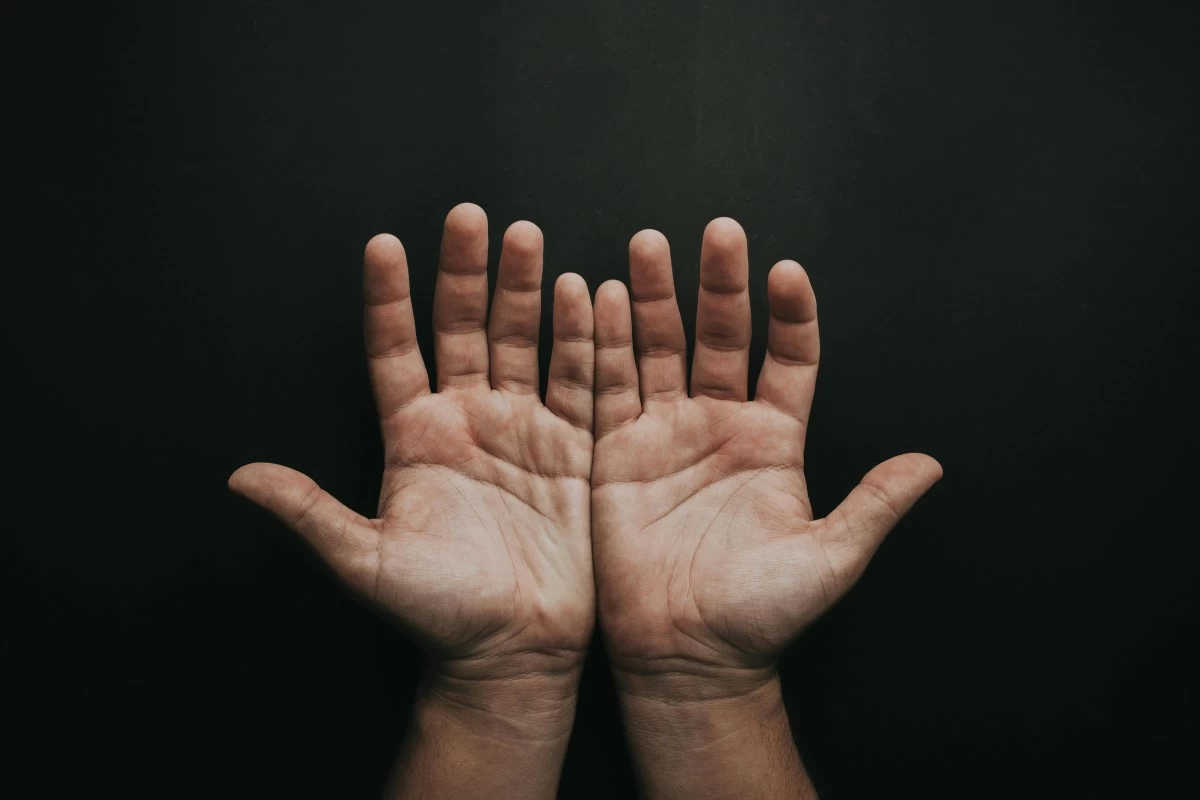
Your hands have been writing your life story for decades. Every gesture, every touch, every moment of caring for others. But lately, you’ve noticed they’re telling a different tale than you’d like. The skin seems thinner, the veins more prominent, and those telltale signs of time are becoming harder to ignore. If you’ve been wondering about hand rejuvenation treatments, particularly the increasingly popular hand fillers, you’re not alone in this journey of self-discovery.
As someone who has spent years studying both the science of aging and the cultural narratives we create around beauty, I’ve observed a fascinating shift in how we approach hand care. The hands have emerged as the new frontier of aesthetic medicine, and for good reason. They’re often the first to show our age, yet they’re also the most overlooked in our skincare routines.
Understanding the silent changes
From a medical perspective, hand aging is a complex interplay of intrinsic and extrinsic factors that begins much earlier than most people realize, and as we age, these compartments begin to lose volume systematically. The result? Those characteristic signs we associate with mature hands: prominent veins, visible tendons, and that distinctive “skeletal” appearance that no amount of moisturizer seems to address.
This volume loss occurs at a rate of approximately one percent annually after age 30, with the most dramatic changes happening during perimenopause when hormonal shifts accelerate the breakdown of collagen and elastin. The hands lose about 40 percent of their subcutaneous fat by age 60, which explains why hand rejuvenation has become one of the fastest-growing segments in aesthetic medicine.
The Filipino approach to hand beauty
In our culture, hands carry profound significance. They’re instruments of care, expressions of respect, and symbols of hard work. The traditional Filipino gesture of “mano”—bringing an elder’s hand to one’s forehead—speaks to the reverence we hold for experienced hands. Yet modern Filipino beauty standards have evolved to embrace the idea that caring for our hands is not vanity, but self-respect.
Most women consider hand appearance important for their professional image, particularly in Metro Manila’s corporate environment. This cultural shift represents a maturation of our beauty consciousness—we’re moving beyond the colonial-era focus on facial features to embrace a more holistic approach to personal care.
The economic accessibility of hand treatments has also improved dramatically. Where once these procedures were available only to the ultra-wealthy, Filipino clinics now offer hand rejuvenation treatments starting at ₱25,000, often with flexible payment plans that make them accessible to the growing middle class. This democratization of aesthetic medicine reflects our cultural values of progress and self-improvement.
Hyaluronic acid fillers work through a sophisticated mechanism of tissue hydration and volume replacement. Unlike facial applications, where we’re often correcting specific features, hand fillers address the fundamental structural changes of aging. The cross-linked hyaluronic acid molecules attract water—up to 1,000 times their weight—creating a natural volumizing effect that restores the hand’s youthful contours. From a manufacturing perspective, developing effective hand fillers required overcoming significant technical challenges. The skin on our hands is thinner and more mobile than facial skin, requiring specially formulated products with specific rheological properties. The ideal hand filler must be viscous enough to provide structural support yet smooth enough to integrate naturally with the tissue.
The injection technique itself is an art form. Board-certified practitioners use a specialized “skin tenting” method to ensure the filler is placed in the correct anatomical plane—the dorsal superficial lamina—where it can provide maximum volume without interfering with hand function.
Beyond fillers: The comprehensive approach
While hyaluronic acid fillers have captured headlines, the most sophisticated practitioners are taking a multi-modal approach to hand rejuvenation. Biostimulators like Radiesse offer dual benefits: immediate volume restoration through calcium hydroxyapatite microspheres, plus long-term collagen stimulation that continues improving the hands for months after treatment.
The newest innovation combines multiple technologies in a single treatment session. Progressive clinics are using diluted Radiesse for overall volume enhancement, followed by targeted hyaluronic acid placement for specific areas, then finishing with superficial treatments like chemical peels or IPL to address pigmentation and texture.
For Filipino patients, this comprehensive approach is particularly appealing because it addresses multiple concerns simultaneously: volume loss, sun damage from our tropical climate, and the pigmentation issues that are common in our skin type. The combination approach typically provides 12 to 18 months of improvement.
Safety and realistic expectations
The most important message I can share is that hand rejuvenation should never be undertaken lightly. The hands contain complex vascular and neural anatomy that requires expert knowledge to navigate safely. The dorsal hand has three distinct layers with different risk profiles, and only properly trained practitioners should perform these procedures.
Common side effects include temporary swelling, bruising, and mild discomfort—all normal parts of the healing process. Most patients can return to normal activities within 24 to 48 hours, though heavy lifting should be avoided for a week.
Realistic expectations are crucial. Hand fillers provide significant improvement in volume and contour, but they’re not a fountain of youth. The goal is a natural-looking enhancement that makes your hands match how you feel inside. Most patients describe the results as “turning back the clock by 10 to 15 years” rather than achieving teenage hands.
The maintenance mindset
Perhaps the most important insight from both medical and cultural perspectives is that hand care should be viewed as an ongoing practice rather than a one-time fix. The most successful patients combine periodic filler treatments with daily preventive care: broad-spectrum sunscreen, retinoid creams, and proper hydration.
This maintenance approach reflects a mature understanding of aging—we’re not trying to stop time, but rather to age gracefully and authentically. Regular touch-up treatments every 12 to 18 months can maintain beautiful hands for decades.
The future of hand beauty
As we look toward the future, the field of hand rejuvenation continues to evolve rapidly. New biostimulator technologies are extending treatment longevity to 24+ months, while improved injection techniques are making procedures even safer and more comfortable.
Perhaps most exciting is the growing body of research on combination treatments that address the hands comprehensively, not just volume loss, but also skin quality, pigmentation, and texture. The next generation of hand treatments will likely incorporate regenerative medicine approaches, using growth factors and stem cell technologies to stimulate natural tissue renewal.
But beyond the technology, what’s most encouraging is the cultural shift toward viewing hand care as an essential component of overall wellness. Our hands deserve the same attention we give our faces—they’ve carried us through life’s journey, and they deserve to reflect our inner vitality.