







MNLF transformation program
Published Jul 7, 2025 12:05 am
|
Updated Jul 6, 2025 04:40 pm


PEACE BY PEACE
The Moro National Liberation Front (MNLF) has certainly gone a long way since Professor Nur Misuari decided to leave behind the academic community in the 1970s to form the group that would wage a decades-long armed struggle.
The turning point came when the Government of the Philippines and the MNLF, as represented by the late Ambassador Manuel Yan and MNLF Founding Chairman Prof. Misuari, respectively, inked the 1996 Final Peace Agreement that would end the conflict and usher in an era of peace.
In honor of this historic GPH-MNLF peace deal that would lead to the signing of two more major Bangsamoro peace accords, President Ferdinand R. Marcos, Jr. has demonstrated his commitment to sustain the legacy of peace left behind by the late President Fidel V. Ramos.
It can also be recalled that the President’s father, former President Ferdinand E. Marcos, Sr., began the peace process with the MNLF with the signing of the Tripoli Agreement in 1976 between the Philippine government and the revolutionary organization.
This is perhaps the reason why President Marcos Jr. has put the peace processes with the Moro groups at the center of his peace agenda by ensuring that they do not only benefit but more importantly, are part of the peacebuilding process. He has come full circle.
The MNLF Transformation Program, which is being implemented by the Office of the Presidential Adviser on Peace, Reconciliation and Unity, aims to ensure that the dividends of peace will be enjoyed by MNLF members, their families and communities.
Last June 24, we flew to the island-province of Sulu to witness the launching of the socioeconomic profiling process for MNLF combatants, which would qualify them to receive essential government assistance under the Transformation Program.
The profiling process is among the most crucial aspects of the program, as it will provide implementers relevant data to accurately assess the socioeconomic status of the combatants and implement the necessary interventions based on their actual needs.
As I stood there and spoke to the MNLF members — a lot of them grizzled warriors who had spent the best years of their lives in the battlefields -- I could see in their eyes the determination to build a better life for themselves and their loved ones.
They were accompanied by their spouses and children, which was a touching moment. It was like the passing on of the torch, as the sons and daughters would continue the fight started by their parents, not through the barrel of a gun but through the power of education.
This is exactly what the MNLF Transformation Program aims to achieve: to create the conditions that enable these former fighters and their families to rebuild their lives and create a better, brighter future.
A total of 458 MNLF members from the municipalities of Talipao and Patikul underwent the five-day profiling process wherein each of them received ₱45,000 in transitional cash assistance from the Department of Social Welfare and Development (DSWD), which are among OPAPRU’s key implementing partners. These combatants have undergone validation and verification processes conducted by the Armed Forces of the Philippines, the Philippine National Police and the Moro National Liberation Front.
Aside from the cash assistance, the beneficiaries also received rice provisions from our agency, PhilHealth coverage, and civil registration assistance from the Philippine Statistics Authority.
We are very pleased that the Transformation Program continues to gain ground. As of August 2024, 2,430 MNLF combatants from Basilan, Lanao del Norte, Maguindanao del Sur, Maguindanao del Norte, North Cotabato, Cotabato City, and Sulu have completed the socio-economic profiling process.
Out of this number, 1,947 former combatants have benefited from the Cash for Work Program; 1,141 were issued with civil registration/security papers; 2,430 were enrolled at Philhealth and have received E-Konsulta interventions, and 350 next of kin of MNLF combatants have received educational assistance worth 17.5 million for FY 2024-2025.
The former combatants who were profiled have received a total of ₱153,666,740.00, which comprises the transitional cash assistance, cash-for-work, and educational assistance programs. These figures exclude the cash-for-work program for profiled MNLF combatants in Sulu. It will commence this month.
The government has also invested a little over ₱1 billion for the 158 projects across 55 MNLF communities through the Payapa at Masaganang Pamayanan or PAMANA Program.
The Marcos Administration is sending a clear and strong message that it is determined to fulfill the commitments made by the government under the 1996 FPA.
This initiative also seeks to ensure that our MNLF brethren in Sulu continue to benefit from the peace process, despite the island province not being a constituent of the BARMM following the Supreme Court’s ruling. The message is clear - everybody should not be left behind in the Bangsamoro peace process.
During the conversations I’ve had with Founding Chairman Misuari and MNLF Chairman Muslimin Sema, they often recall the main reason for the establishment of the MNLF, and that is, to help create a better life for their people.
And I would always assure them that the administration of President Marcos Jr., through the GPH Management Committee and OPAPRU, stands ready to provide the MNLF the support they need to forge ahead in their transformative journey.
The key to the successful transition of MNLF members from being combatants to becoming peaceful and productive members of society largely depends on their capacity to take advantage of and fully maximize the assistance given to them.
With what we witnessed during the profiling of MNLF members in Sulu, we can say that the organization is becoming a shining example of what can happen when individuals choose to walk the path of peace.
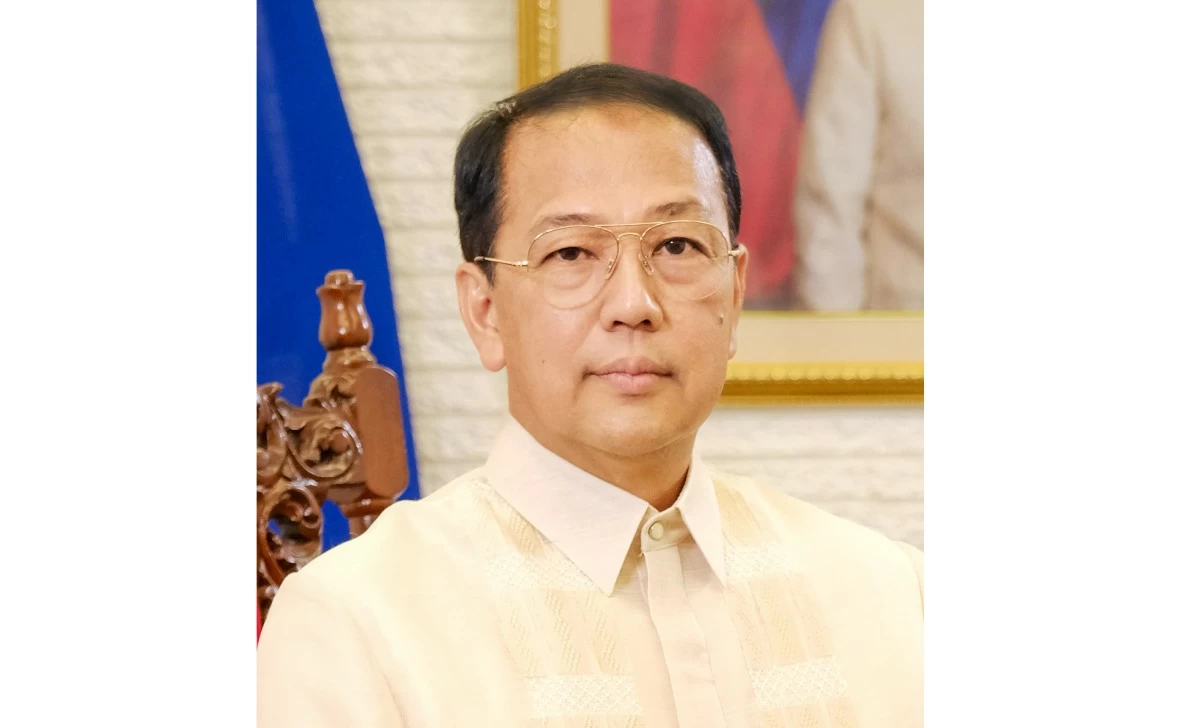
(Secretary Carlito G. Galvez, Jr., is the presidential adviser on peace, reconciliation and unity.)