







A doctor in America (Part Two)
Exploring national parks and the Wild West
Published Jul 7, 2025 11:47 am


At A Glance
- The idea of setting aside land for future generations to enjoy was not a new concept, but the US was one of the first nations to codify it into law.
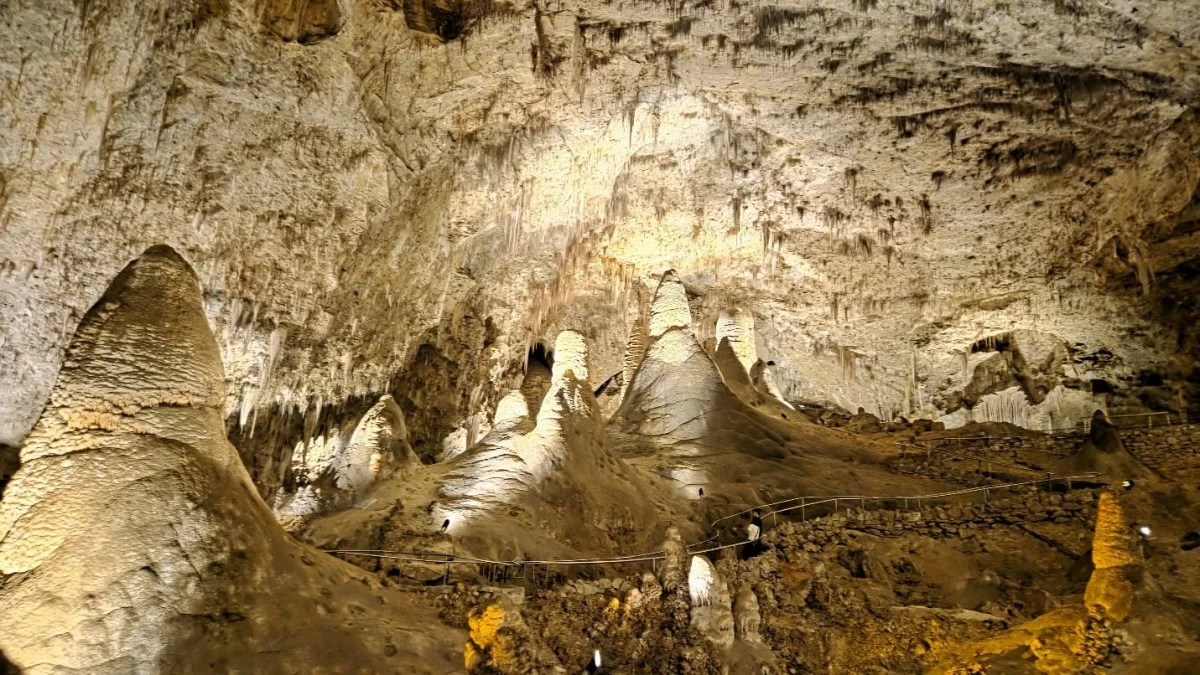
NATURE'S GLORY Otherworldy formations in Carlsbad Caverns' The Big Room
The National Park Service is one of the biggest reasons we continue to vacation in the US year after year. The idea of setting aside land for future generations to enjoy was not a new concept, but the US was one of the first nations to codify it into law. Yosemite, the Grand Canyon, and Yellowstone National Park are among the most famous, but there are 63 national parks in all. The National Park Service also manages many monuments, lakeshores, seashores, memorials, and other sites in the US. It also lends technical assistance to many historical sites around the world, including our own Corregidor Monument. To date, we’ve visited about one-third of the national parks, and we always look forward to seeing more of them on our annual visits.
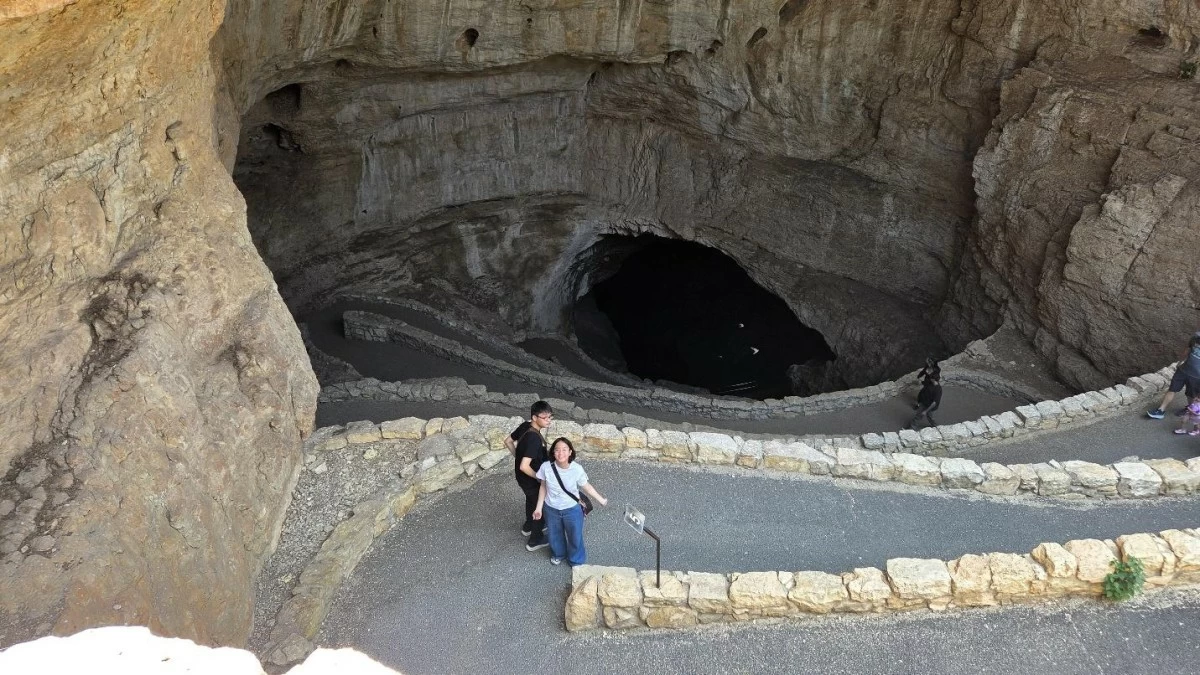
INTO THE DARK Natural entrance to Carlsbad Caverns
From El Paso, Texas, we drove north through the Chihuahuan desert through the Guadalupe Mountains, which host a national park of the same name, and arrived at Carlsbad Caverns National Park. The park covers a huge area of wilderness, but the highlight is a network of over 100 caves with spectacular natural formations. It is home to hundreds of thousands of bats that take to the skies at sunset. The caves were discovered because someone saw what looked like smoke coming from the ground. It turned out to be a massive swarm of bats going out at dusk.
The crowds going into the caves are tightly managed, especially during the summer months when it gets jam-packed. We signed up for a time slot online one month before our trip. Many popular attractions in the US require advance registration, sometimes months in advance. We’ve had to do this for Alcatraz, as well as to go inside the Statue of Liberty in New York, and so it is best to look up these attractions in advance if you want to have the best experience, in case you must make reservations.
We arrived at noon, and we showed our reservation confirmation to the ranger at the park visitor center. We bought an America the Beautiful National Parks Pass, which is good for entrance to all the national parks for a year for four people. Since we were going to visit two other parks during this trip, it was cheaper to buy the pass than to pay the entrance fee at all three parks.
There are two options to enter the caves. The first option is an elevator that deposits you more than 200 meters below the surface into the center of the cave system at the entrance of the Big Room, which is the main cave feature. The second option, which we took, was through the natural entrance where a system of switchback paths goes deeper and deeper into the caves.
It took nearly an hour to get to the Big Room via the natural entrance, but the descent was a great experience on its own. As it gets darker, your eyes adapt to the dim artificial light, which is kept low so as not to disturb the bats and other cave dwellers. The air is cool and humid, and the path and handholds are constantly damp.
As we descended, we saw more and more stalactites and stalagmites in all sorts of shapes and sizes. The water slowly flowing through these limestone tunnels deposits minerals one drop at a time over thousands of years, resulting in intricate tableaus of natural art. Some of these formations are named in a whimsical fashion with quite a bit of imagination depending on what they resemble: the Whale's Mouth, the Lion's Tail, the Chandelier, and Iceberg Rock. I thought some of them looked like Jabba the Hut from “Star Wars,” which really amused my kids. It took another hour to explore the Big Room. There were other rooms to explore, but these are currently closed due to staffing issues, so we took the elevator going up afterwards.
We went back to our hotel to rest for a bit, but we returned at dusk to watch the bats emerge. Picture taking was not allowed because it can disturb the bats. The bats that live in Carlsbad Caverns are bats that migrate to Mexico in the winter, where it is warmer. They return in summer to breed, and they emerge at sunset to hunt for insects for their meal. The bat swarm was surreal, and we were mesmerized as thousands of bats took to the night sky in a dark cloud. I still have no idea how they kept from bumping into each other, but I suppose a combination of their sonar and quick reflexes protects them from accidents. Nature is truly amazing.
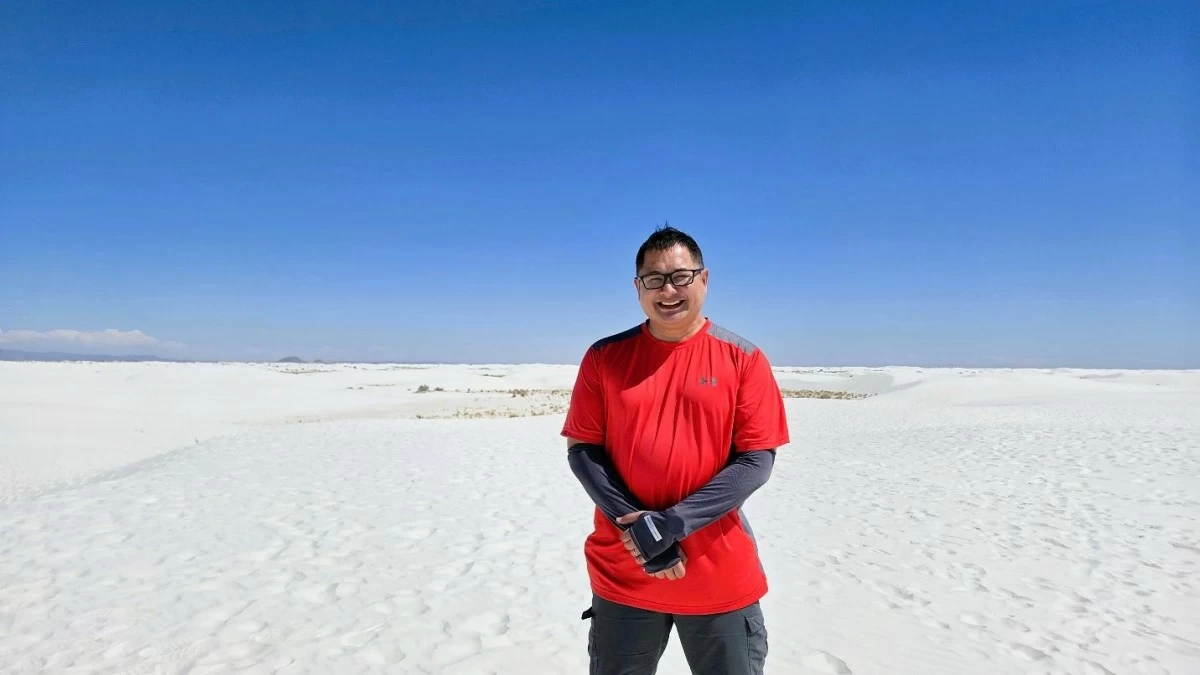
CLEAR VIEW The author at White Sands National Park in New Mexico, US
The next day, we left early to visit another national park called White Sands. Along the way, we dropped by a town that is famous for its association with aliens. Not illegal immigrants but “real” aliens. The town of Roswell, New Mexico, is near the site of a supposed UFO crash in 1947. While the government explained that it was a weather balloon, numerous eyewitnesses swore that they saw dead aliens and unusual materials at the crash site, and these were brought by the military to a secret base for further study. We went to the International UFO Museum and Research Center, where the exhibits explained what happened and dissected the alleged cover-up. The museum is small, but the exhibits are very well done, and the investigation was very thorough. The museum houses many boxes and shelves of searchable documents. Maybe the truth really is out there.
We continued on our way to White Sands. White Sands National Park is a stunning expanse of gypsum sand. While normal sand is made of silica, the sand in the park is the world’s largest gypsum dunefield, hence its striking white color. It was very hot that afternoon, so we took very short hikes in the dunes and used our car to go between the different stations. The national park is adjacent to an active military missile base, and some of the dunes are used for target practice. There is a sign that states not to pick up anything that is dropped from aircraft, as it may be hazardous. Afterwards, we drove to Las Cruces, New Mexico to spend the night.
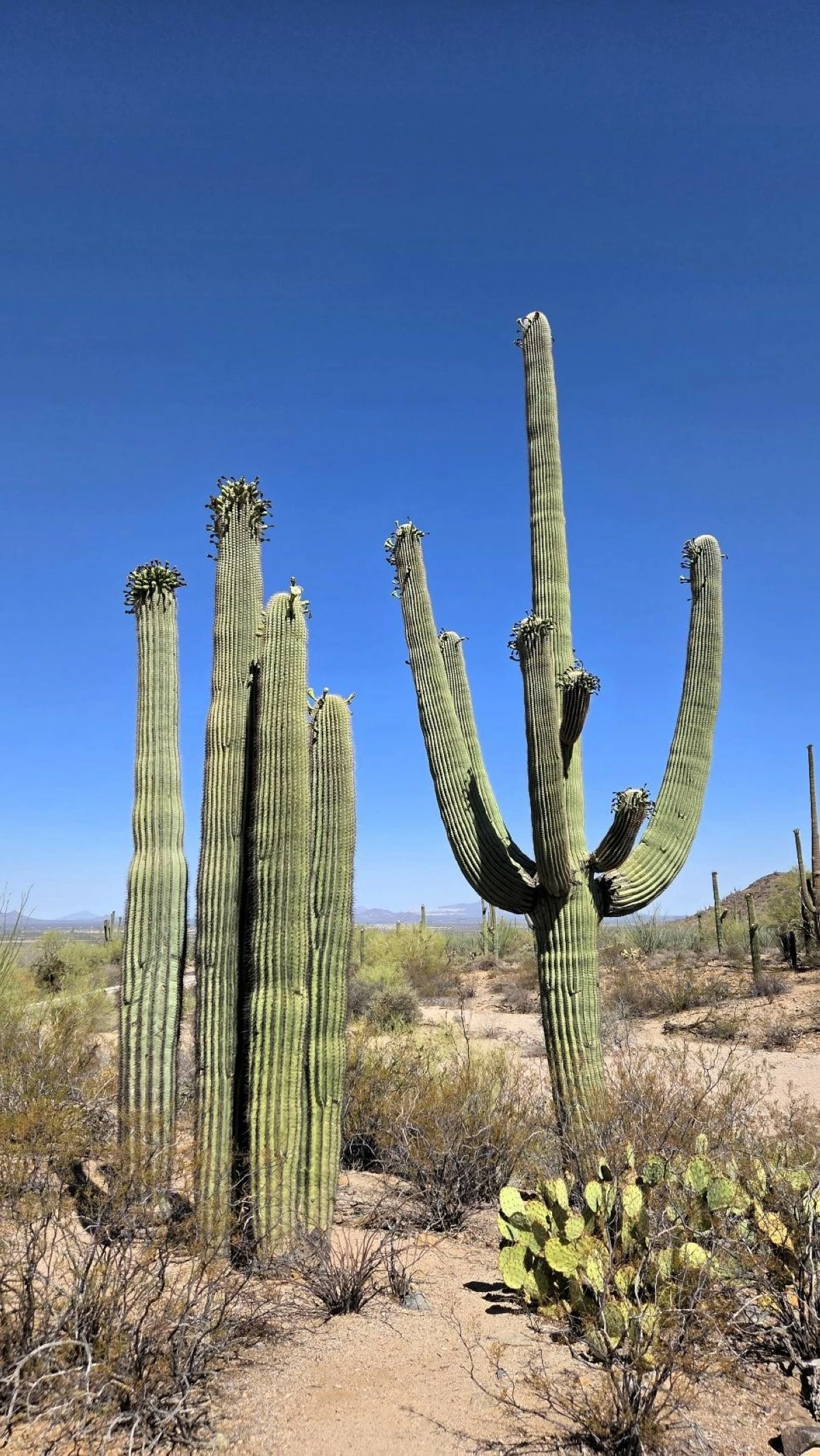
A PRICKLY SIGHT Massive saguaro cactus in Saguaro National Park
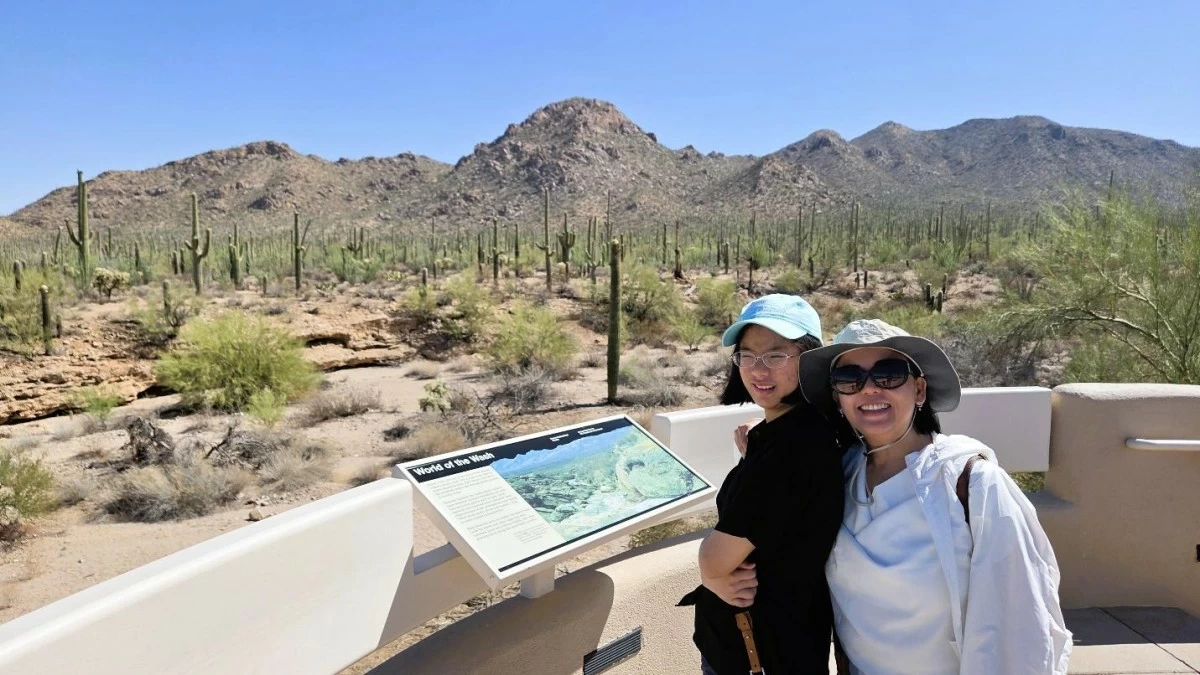
ENTER THE WILD WEST Saguaro National Park in Tucson, Arizona
The next day, we drove to Tombstone, Arizona, the site of the infamous Gunfight at OK (Old Kinderhook) Corral. They preserved a lot of the original structures, and there is a regularly scheduled reenactment of the shootout. The gunslingers and storytellers made life in the old wild, wild west come to life. We then drove to Saguaro National Park, where we explored the desert on horseback. The national park is named after a variety of cacti that grow in abundance all over the land. The saguaro is one of the largest cactuses in the world and is a symbol of the American Southwest. The saguaro can grow as big as a tree and is sacred to the Native Americans of the area. As we explored the desert, we saw that it was far from barren. There were geckos, roadrunners, and numerous plant and animal species. Fortunately, we did not run into any rattlesnakes.
The three national parks we visited this trip certainly hold their own against all the other parks we have visited. These parks are world treasures, and it is always worthwhile to spend some time in them to truly appreciate how beautiful our planet can be.