






Manila Bulletin
 Philippines
National
Phivolcs warns of possible minor eruption as Taal Volcano shows increased seismic activity
Philippines
National
Phivolcs warns of possible minor eruption as Taal Volcano shows increased seismic activity
Philippines
National
Phivolcs warns of possible minor eruption as Taal Volcano shows increased seismic activity
Phivolcs warns of possible minor eruption as Taal Volcano shows increased seismic activity
By Jel Santos
Published Jul 6, 2025 04:18 pm


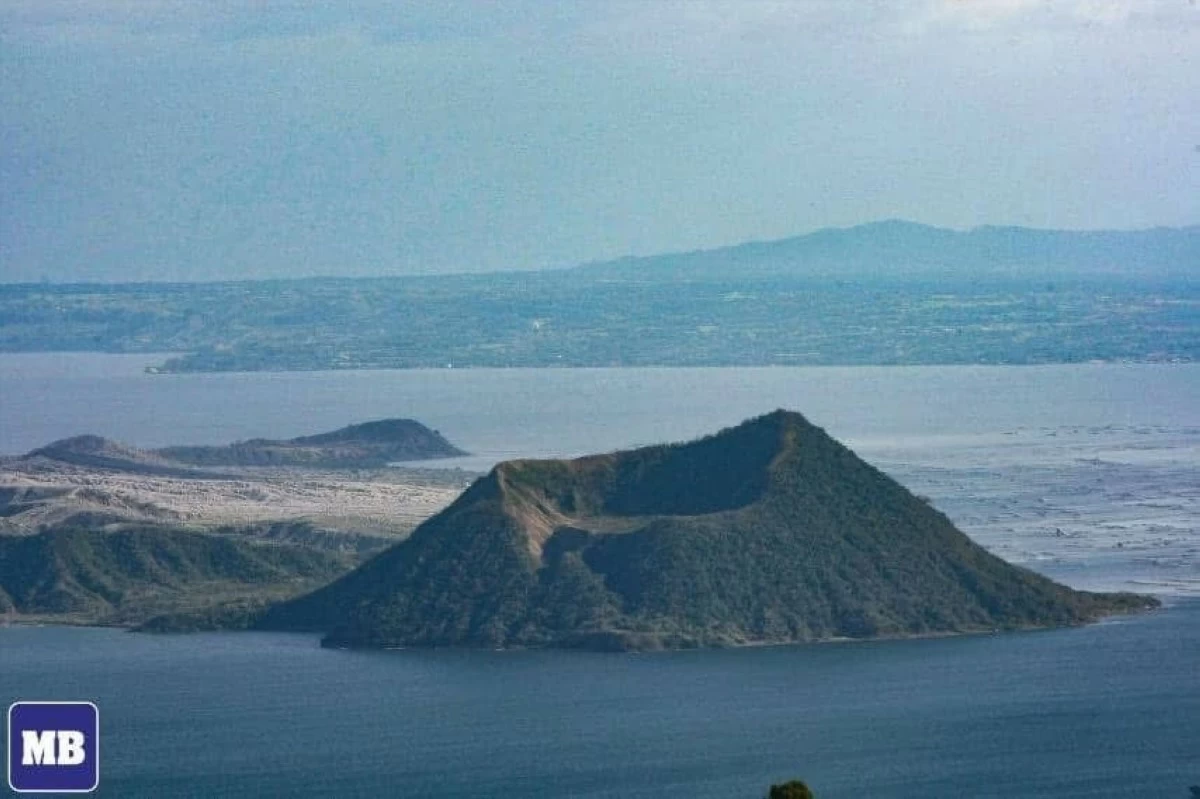
(MB FILE PHOTO)
The Philippine Institute of Volcanology and Seismology (Phivolcs) on Sunday, July 6, warned of increased seismic activity at Taal Volcano that may lead to a short-term pressurization and a possible phreatic or minor phreatomagmatic eruption.
“Since 03:37 AM today, 06 July 2025, stations of the Taal Volcano Network (TVN) situated on Taal Volcano Island (TVI) have been recording a pronounced increase in real-time seismic energy measurement or RSAM simultaneous with continuing volcanic tremor,” Phivolcs said in an advisory.
According to agency, the Taal Volcano Network has detected just two low-frequency volcanic earthquakes since July 1, 2025.
“Visual observations also noted the absence of a degassing plume from the Taal Main Crater since the start of RSAM increase.”
“Taal has been degassing low levels of sulfur dioxide or SO2 since June 2025 with the latest emission measured on 4 July 2025 averaging 377 tonnes/day,” it added.
The agency warned that the spike in real-time seismic amplitude measurement and the halt in crater degassing could point to gas pathway blockages inside Taal Volcano, which may result in pressure buildup and lead to either a phreatic or a minor phreatomagmatic eruption.
“Alert Level 1 prevails over Taal Volcano, which means that it is still in abnormal condition and should not be interpreted to have ceased unrest nor ceased the threat of eruptive activity,” it added.
Phivolcs warned that even at Alert Level 1, areas within Taal Volcano Island remain at risk from unexpected steam-driven eruptions, minor explosions, ashfall, and the buildup or release of lethal volcanic gases.
The agency strongly reiterated its warning that “entry into TVI, Taal’s Permanent Danger Zone or PDZ, especially the vicinities of the Main Crater and the Daang Kastila fissure, must remain strictly prohibited.”
“Local government units are advised to continuously prepare for potential recurrence of volcanic SO2 increases and exposure of their communities and undertake appropriate response measures to mitigate the health impacts of these hazards,” it stated.
“Lastly, civil aviation authorities must also advise pilots to avoid flying above TVI as ash from any sudden eruption can be hazardous to aircraft.”