






Manila Bulletin
 Philippines
Metro Manila
QC gov't opens second dialysis center to expand healthcare access for kidney patients
Philippines
Metro Manila
QC gov't opens second dialysis center to expand healthcare access for kidney patients
Philippines
Metro Manila
QC gov't opens second dialysis center to expand healthcare access for kidney patients
QC gov't opens second dialysis center to expand healthcare access for kidney patients
By Hannah Nicol
Published Jul 5, 2025 11:58 am
|
Updated Jul 5, 2025 02:03 pm


The Quezon City government has opened its second dialysis center to provide better access to life-saving treatment for residents battling chronic kidney disease (CKD).
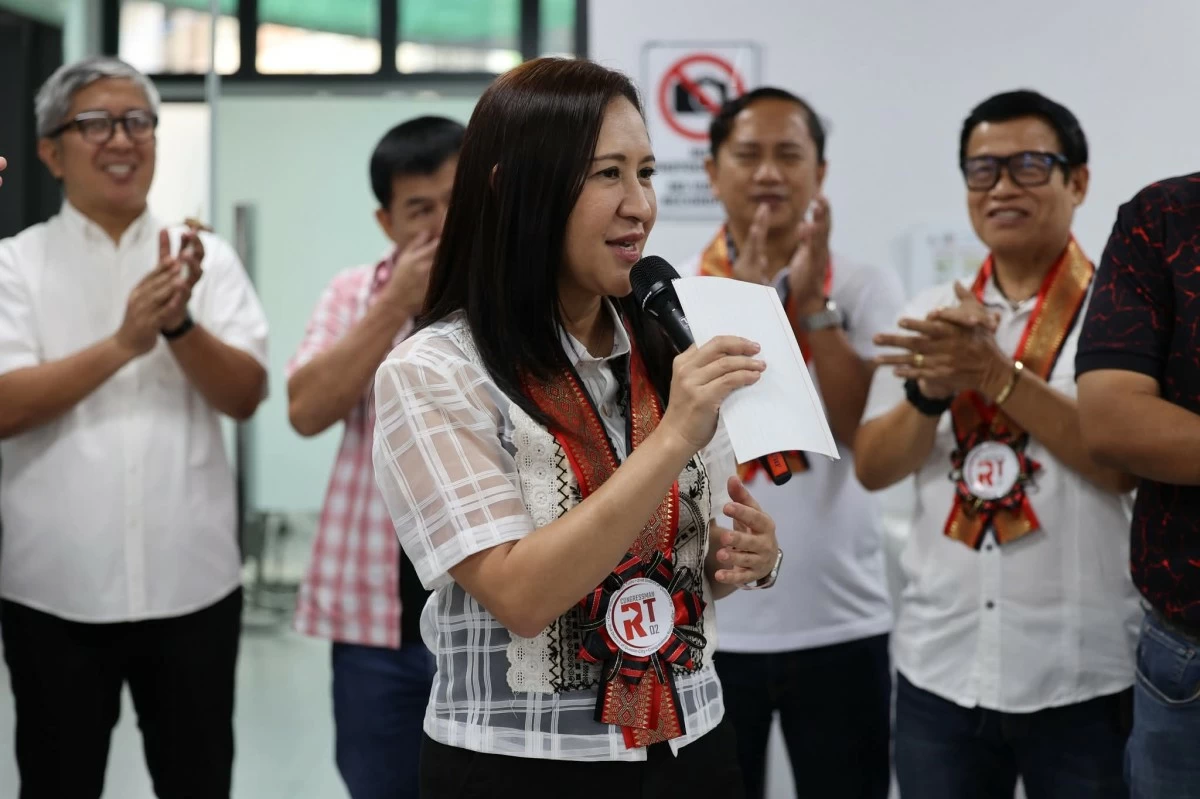
Quezon City Mayor Joy Belmonte (Photo from QC Government)
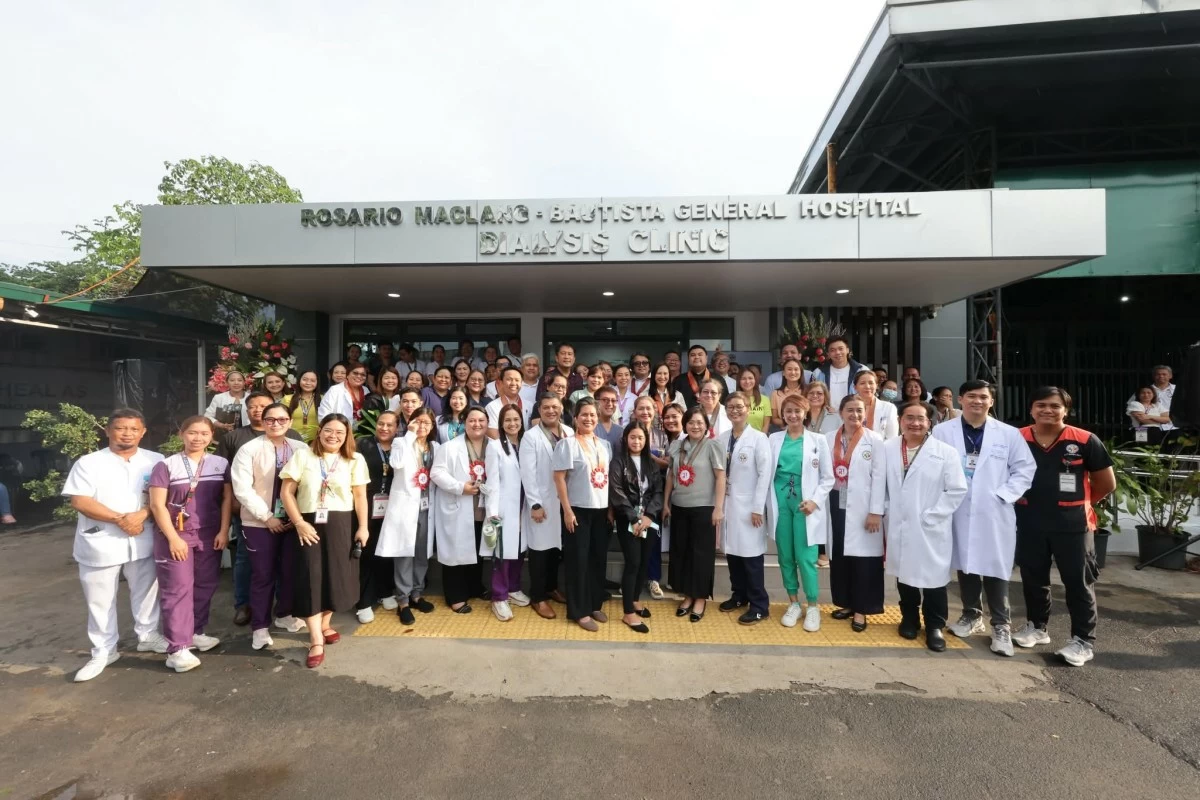
The Quezon City government has opened its second dialysis center to provide better access to life-saving treatment for residents battling chronic kidney disease (CKD) (Photo from QC Government)
According to the city’s Public Information Office (PIO), the new facility is located at the Rosario Maclang Bautista General Hospital (RMBGH).
“Chronic kidney disease is a growing public concern in the country. We hope that by opening this dialysis center and bringing our healthcare services closer to our people, no resident will have to choose between their well-being and their livelihood,” Mayor Joy Belmonte said.
The facility can accommodate up to nine patients per day, or 54 patients per week, helping to ease the burden on public hospitals and reduce out-of-pocket healthcare costs for families.
The center was established through an P8.5 million funding support from District 2 Representative Ralph Tulfo, which was used to purchase modern dialysis machines and upgrade hospital infrastructure.
“Instead of enduring long waiting times in state hospitals or spending large amounts in private facilities, QCitizens now have access to quality dialysis treatment closer to home,” Belmonte added.
According to the Department of Health (DOH) and the Philippine Renal Disease Registry, more than 40,000 Filipinos undergo dialysis each year. In 2024, Quezon City’s health department recorded 42 CKD-related deaths.
The new facility aims to help lower number of deaths by providing accessible and affordable dialysis treatment to those in need.
The RMBGH Dialysis Center operates six days a week and offers free treatment under the PhilHealth Dialysis Package for eligible patients. To qualify, individuals must present medical documents, including an endorsement from a nephrologist, laboratory results, and a valid PhilHealth ID.
This new facility complements the city’s first dialysis center at the Quezon City General Hospital (QCGH), which currently operates with five advanced dialysis machines, including dedicated units for emergency and infectious cases.
With the opening of its second dialysis center, the local government reaffirms its commitment to inclusive and responsive healthcare, especially for the city’s most vulnerable residents.