







Checking disaster preparedness, building a culture of resilience
Published Jul 5, 2025 12:03 am
|
Updated Jul 4, 2025 04:25 pm


The rains are definitely here! In the past weeks in many areas, heavy downpour came almost every afternoon. Classes were suspended after a night of heavy rains. The weather forecasts have been getting more attention lately for warnings on low pressure areas, tropical cyclones, and flooding.
It’s that time of the year when many of the 20 typhoons that visit the Philippines every year blow in to challenge our disaster resilience or the ability of communities to recover and adapt after a disaster. Disaster preparedness, or actions taken before a disaster to minimize its impact, is a key component of resilience.
July, which is National Disaster Resilience Month (NDRM), will not only remind us that disaster preparedness is not optional, it is essential for survival. President Marcos’ recent directive to activate flood protocols highlights the urgency of readiness, as 664 barangays, including 412 in Metro Manila, face risks of floods, landslides, and debris up to the end of the week.
This year’s NDRM, led by the Office of Civil Defense (OCD), carries the theme “Kumilos para sa Kahandaan, Kaligtasan, at Katatagan!” It underscores that disaster resilience must move beyond awareness—it demands action. As the OCD has emphasized: Awareness alone doesn't equate to safety, and consciousness doesn't guarantee minimized impacts.
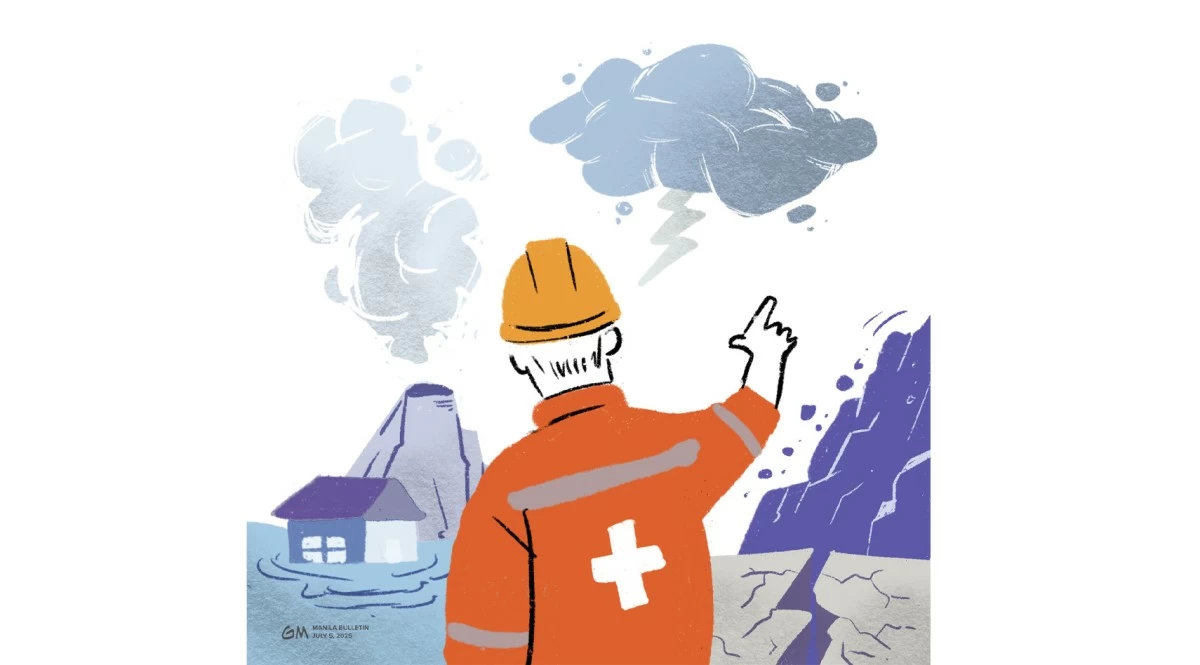
Our country being located along the path of disasters such as typhoons, volcanic eruptions, earthquakes, flooding and landslides has put more focus on disaster preparedness to build our resilience. The latest World Risk Index 2024 ranks the Philippines as the most at-risk country among 193 nations, obtaining a score of 46.91 among countries that were assessed based on their levels of exposure, vulnerability, susceptibility.
This sobering reality demands that preparedness extend beyond institutional actions to every Filipino household. Survival chances increase dramatically when more people know basic disaster skills such as first aid and evacuation protocols.
Across the country, government agencies are heeding the President’s call. The Metropolitan Manila Development Authority (MMDA) has prioritized the cleanup of 23 key esteros, while the Department of Labor and Employment (DOLE) mobilized Tulong Panghanapbuhay sa Ating Disadvantaged/Displaced Workers (TUPAD) beneficiaries for emergency work to clear waterways. Meanwhile, the Department of the Interior and Local Government (DILG) has activated local emergency operations centers and ordered LGUs to enforce pre-emptive evacuations in high-risk areas, especially near rivers vulnerable to flash floods.
To boost the message of disaster resilience, the OCD has expanded its “Panatag Pilipinas 2.0” campaign—a series of 60-second infotainment videos on hazards like typhoons, earthquakes, and floods— to bridge the gap between knowledge and action.
However, true resilience also requires everyday responsibility. For example, there is a need for behavior change, such as littering and irresponsible garbage disposal, to prevent flooding. These seemingly small acts exacerbate flooding by clogging drainage systems.
The private sector must step up. Businesses can join campaigns like Panatag Pilipinas, invest in resilient infrastructure, and train employees in disaster response.
For families, preparedness begins at home – reviewing evacuation plans, securing important documents, stocking emergency supplies, and staying updated with advisories. Schools should regularly conduct drills and establish clear communication protocols for class suspensions, as delayed announcements have left children vulnerable in the past.
Disaster resilience is not just a government mandate; it is a shared responsibility that requires bayanihan—the Filipino spirit of communal unity. As the rains arrive, let us transform awareness into action, build a culture of preparedness, and ensure that every Filipino stands ready—not just to survive the storm, but to thrive in its aftermath.