






Manila Bulletin
 Philippines
National
8.5 M metric tons of silt, waste removed from waterways in and around NCR in last 5 years
Philippines
National
8.5 M metric tons of silt, waste removed from waterways in and around NCR in last 5 years
Philippines
National
8.5 M metric tons of silt, waste removed from waterways in and around NCR in last 5 years
8.5 M metric tons of silt, waste removed from waterways in and around NCR in last 5 years
Published Jul 5, 2025 12:38 pm


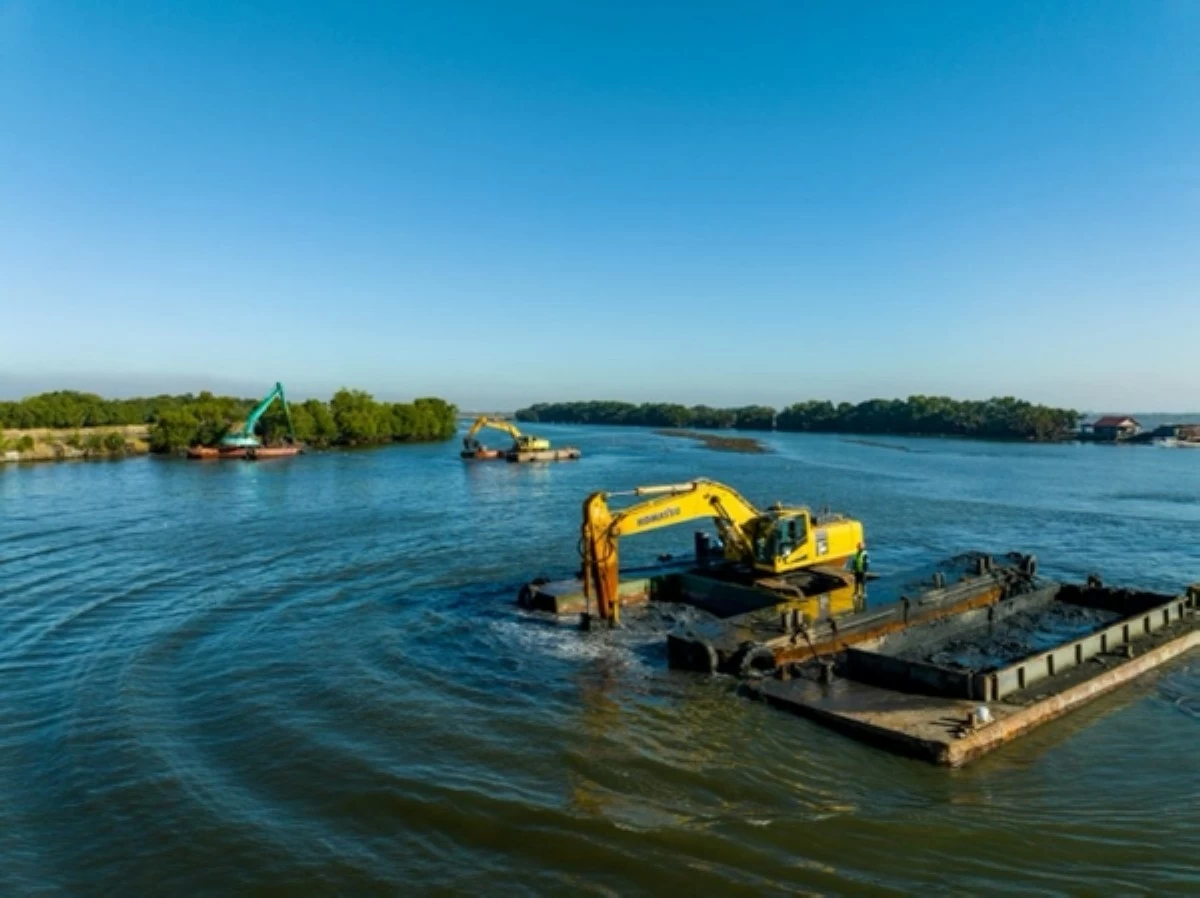
photo: SMC
Around 8.5 million metric tons of silt and solid waste were removed from 10 key waterways in and around Metro Manila in the past five years of massive clean-up drive amid the persistent flooding problems in the metropolis.
Despite the huge volume of waste, San Miguel Corporation (SMC) chairman and chief executive officer Ramon Ang said the objective of clearing all waterways in an around Metro Manila is far from over.
But so far, he said over 161 kilometers of river channels were already cleared and the sild and waste collected mainly removed from the Tullahan, Pasig, and San Juan Rivers; rivers in Bulacan and Pampanga; the San Isidro, Biñan, and Tunasan Rivers in Laguna, and waterways in Navotas and Parañaque.
“Because of many contributing and aggravating factors, flooding continues to be a major risk for many of our cities and provinces.We cannot afford to just stand by and do nothing because in the end, our economy and all of us, suffer,” said Ang.
“That’s why we’ve been working non-stop these last five years to help clean and restore our rivers,” he added.
Launched in 2020, the initiative, dubbed Better Rivers PH, aims to reduce river pollution and help prevent flooding by restoring and dredging rivers and improving their flow.
And fully-funded and undertaken by SMC, the program comes at no cost to government and taxpayers, and is done in close coordination with the Department of Environment and Natural Resources (DENR) and local government units.
Ang said the massive clean-up drive has significantly increased the carrying capacity of these river systems.
“This has helped lessen the risk of severe flooding in surrounding communities, by enabling floodwaters to be drained to Manila Bay more effectively. Without this intervention, many of these waterways, made shallow by years of silt and debris buildup, would frequently overflow and inundate communities”, Ang said.
He said the effort has also reduced foul odors coming from rivers and, in some cases, encouraged the return of fish, owing to the removal of decomposing waste and garbage from the river beds.
“Through cooperation with the national and local governments and other stakeholders, we’ve now managed to increase the carrying capacities of our major rivers. But a lot still needs to be done, including in changing mindsets and discouraging the throwing of wastes in our waterways,” said Ang.