






Manila Bulletin
 Philippines
National
Senate bill seeks outright ban of online gambling in the Philippines
Philippines
National
Senate bill seeks outright ban of online gambling in the Philippines
Philippines
National
Senate bill seeks outright ban of online gambling in the Philippines
Senate bill seeks outright ban of online gambling in the Philippines
By Dhel Nazario
Published Jul 4, 2025 03:39 pm


Calling it a silent epidemic, Senator Juan Miguel “Migz” Zubiri has filed a bill seeking an outright ban on online gambling in the Philippines.
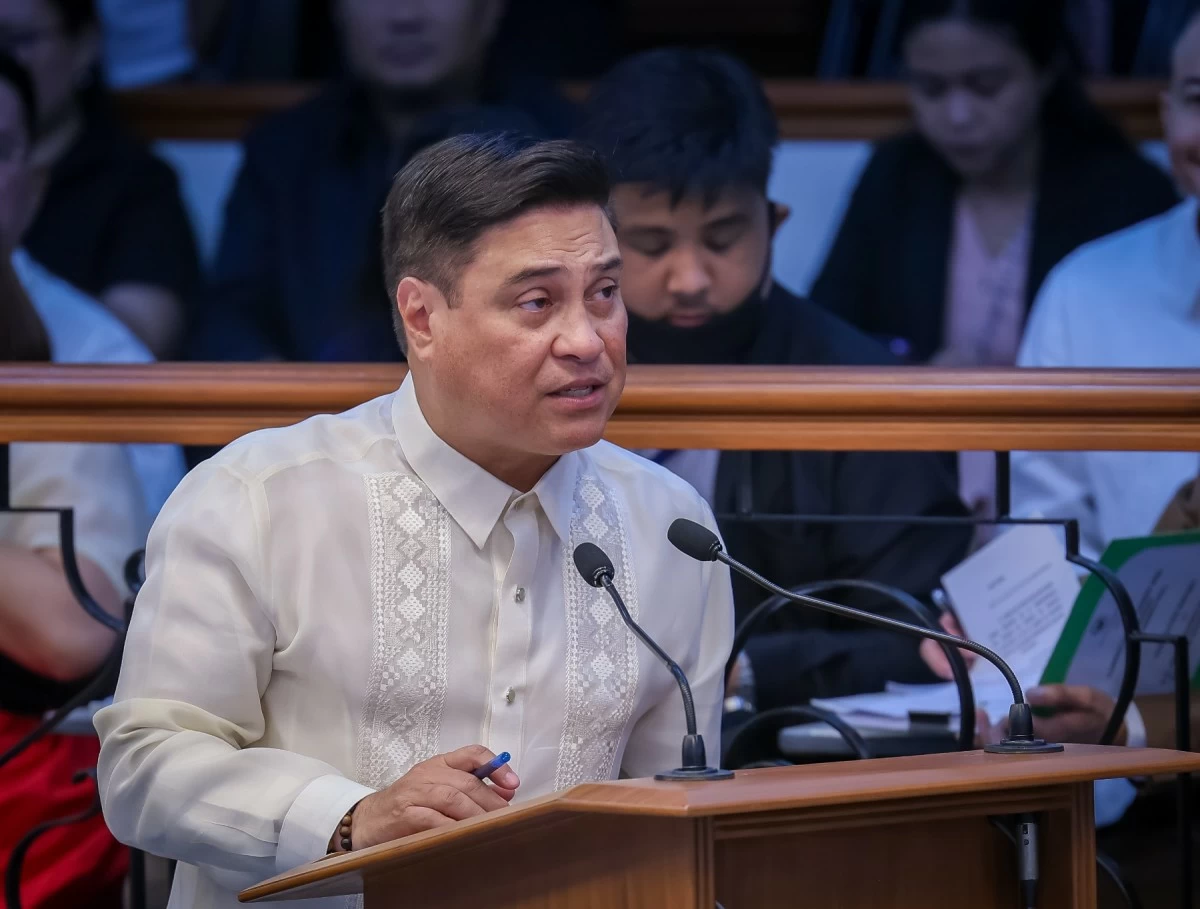
Senator Juan Miguel "Migz" Zubiri
Zubiri said that online gambling is quietly harming Filipinos, especially minors and the most vulnerable.
In the bill aptly called the “Anti-Online Gambling Act of 2025 that Zubiri intends to file, he drew a parallel between the threat once posed by Philippine Offshore Gaming Operators (POGOs) and the growing danger of local online gambling platforms.
“We already shut the doors on POGOs for the damage they caused. But an even more dangerous problem has crept into our homes: online gambling that targets our own people,” he said.
“Let’s not kid ourselves. Iba na ang itsura ng gambling addiction ngayon. Hindi na ito yung lulong ang isang tao sa casino o sa sabungan. It now looks like a kid with a phone under the covers at 2 a.m., losing the family’s grocery money on an online casino site,” Zubiri said.
The proposed measure prohibits all forms of online gambling in the country, not just simple regulation. This includes digital betting platforms, mobile applications and websites that allow users to place wagers through phones, tablets and computers.
The bill covers both locally and offshore-operated gambling sites that cater to Filipino users.
Under the bill, Internet Service Providers (ISPs), mobile network operators and digital platforms are mandated to block access to gambling websites and remove related apps within 72 hours upon notice from the Department of Justice or PAGCOR.
Failure to act promptly may result in fines, license suspension or even revocation of their authority to operate.
Digital wallets and payment service providers such as credit cards, GCash, Paymaya and others are also barred from facilitating transactions related to online gambling.
Any entity that aids in placing bets, promoting gambling content or advertising betting sites – whether through traditional media, social media or influencer marketing – will be held liable.
Violators face steep penalties as the first offense carries a fine of at least P20 million and a six-month license suspension. A second violation could cost P50 million or a full-year suspension.
A third offense carries a fine of at least P100 million, permanent license revocation and criminal prosecution of top executives with up to six years of imprisonment.
“Ang masakit dito, mga bata na ang nahuhumaling. Madali para sa kanila na magpanggap ng edad, gumawa ng fake account at makapasok sa mga site na ito (What’s painful here is that even children are getting hooked. It’s easy for them to fake their age, create fake accounts, and gain access to these sites). There is something inherently wrong with the system, that is why I filed this measure to put an end to this once and for all,” Zubiri stated.