







Israel-Iran ceasefire fuels second week of oil price rollback
Published Jul 4, 2025 01:28 pm


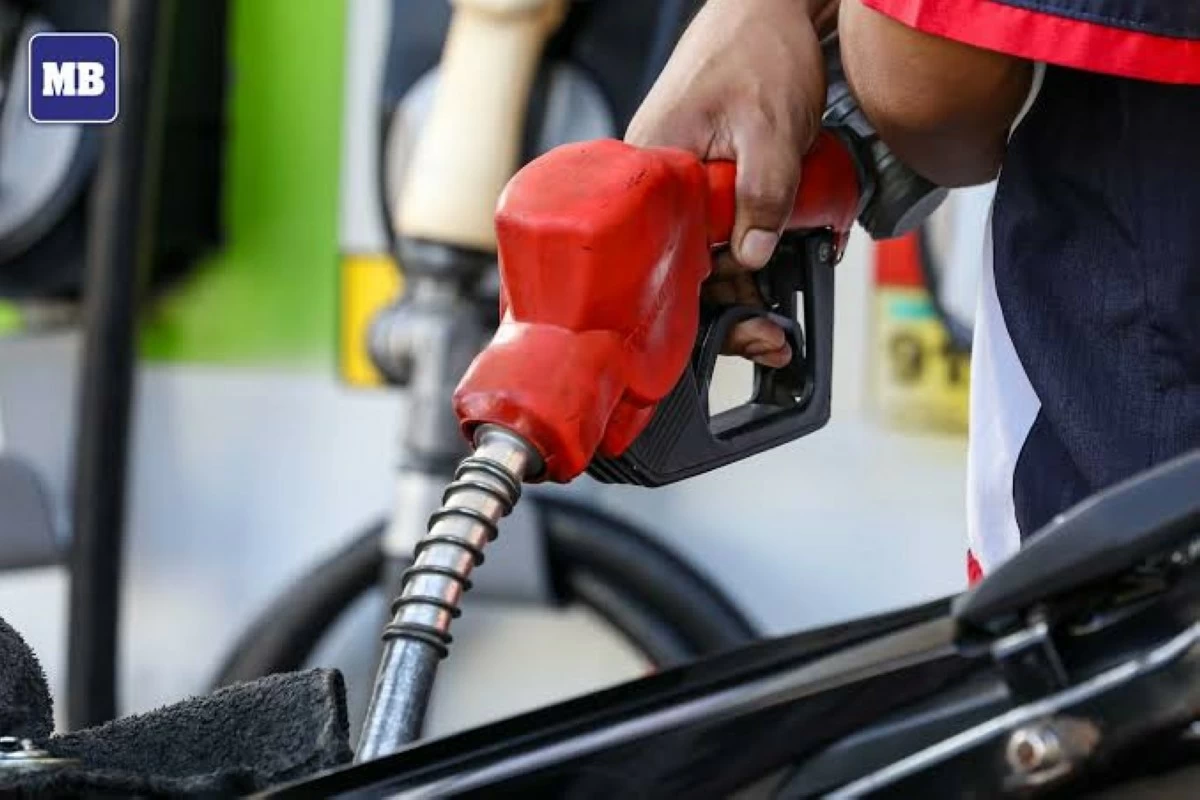
Pump prices are expected to drop next week, by as much as one peso for gasoline, as benchmark oil prices decline with the easing of tension in the Middle East, as well as prospects of higher output from the Organization of Petroleum Exporting Countries (OPEC) cartel.
According to Director Rino E. Abad of the Department of Energy’s Oil Industry Management Bureau, based on oil prices from Monday to Thursday this week, the rollbacks may amount to more than one peso per liter for gasoline, around 50 centavos for a liter of diesel, and about 80 centavos per liter of kerosene.
He noted that these are still subject to additional adjustments to include the Friday trading price result.
The drop in oil prices is due to the sustained ceasefire between Israel and Iran, which reduces pressure on the supply of oil from the Persian Gulf.
Abad also attributed the weakening oil prices to the high expectations of OPEC’s continued release of 411,000 barrels of oil per day for July, thus increasing market supply.
Also seen affecting demand for oil is the possible reimposition of global tariff by the US by July 10, as the 90-day suspension made by Trump will expire on July 9.
Meanwhile, Jetti Petroleum President Leo Bellas expects price rollbacks to be lower than Abad’s estimate, forecasting diesel price to decline by 20 centavos to 40 centavos per liter and gasoline by 80 centavos to one peso per liter.
He said this is based on the price movement indication of this week’s Mean of Platts Singapore (MOPS) and the average US dollar-to-peso exchange rate for the first four days of the week.
“Prices fell this week as the risk premium built into crude oil and refined fuel products gradually unwinds due to easing of tensions in the Middle East.
“The prospect of additional supply from another OPEC+ output increase, and worries about the impact on the economy and fuel demand driven by US tariff uncertainty have also weighed on prices,” Bellas said.
He also noted that, “Price gains from concerns that the lingering dispute over Iran’s nuclear program could again evolve into armed conflict were pared by demand worries in the US, following the unexpected build in crude oil and gasoline inventories.