






Manila Bulletin
 Business
Banking & Finance
'Fix collection first': Economists push back on new tax talk
Business
Banking & Finance
'Fix collection first': Economists push back on new tax talk
Business
Banking & Finance
'Fix collection first': Economists push back on new tax talk
'Fix collection first': Economists push back on new tax talk
By Derco Rosal
Published Jul 4, 2025 03:55 pm


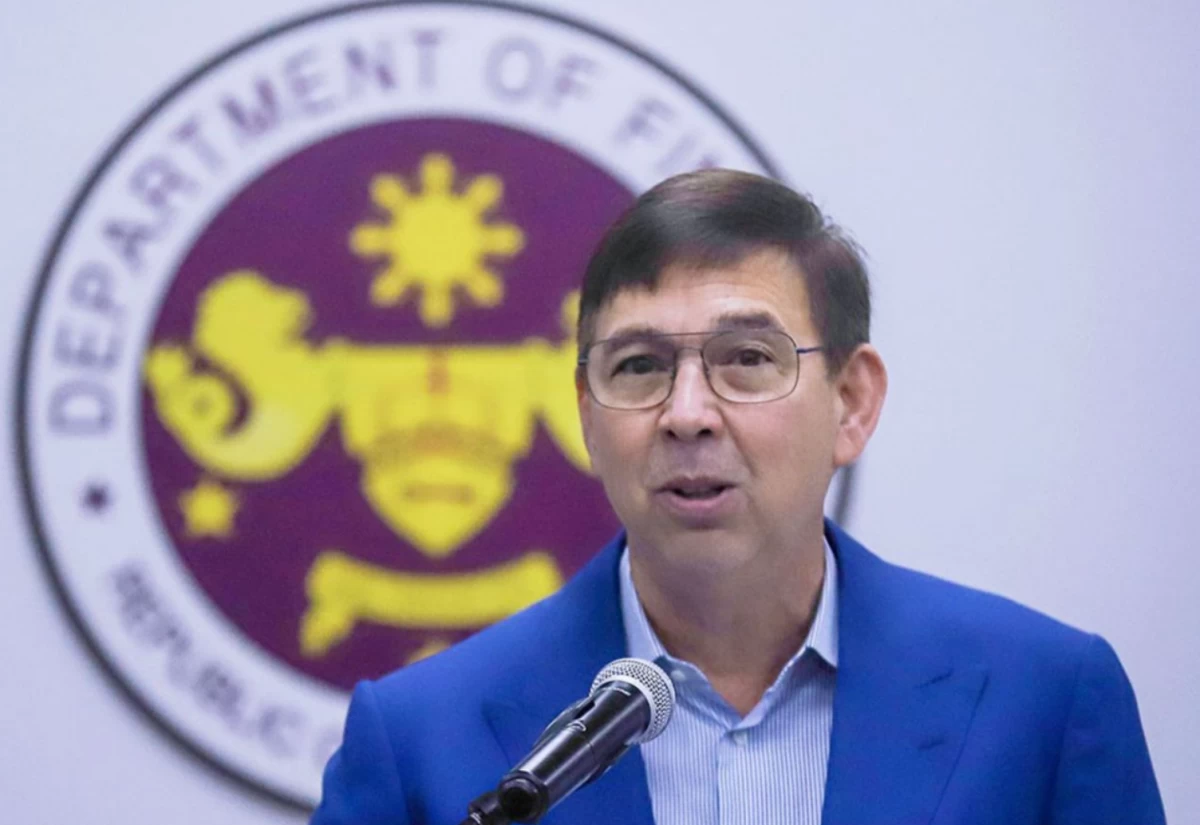
Finance Secretary Ralph G. Recto
While the Department of Finance (DOF) seems to be shifting away from its earlier stance of “no new taxes,” private sector economists argue that new tax measures are not yet necessary, emphasizing the need to first strengthen the implementation of existing tax laws.
“I can’t emphasize more the need for the government to simply improve tax collection as this improves tax efficiency without further burdening the economy with more taxes,” said Patrick M. Ella, economist at Sun Life Investment Management and Trust Corporation (SLIMTC).
Ella believes the government should not impose fresh taxes for now because there is still room to improve how taxes are collected. He noted that “on a tax collection efficiency basis, there are still more areas of improvement.”
According to Ella, the country’s tax-to-gross domestic product (GDP) ratio remains below the World Bank’s recommended 15-percent threshold, which is considered necessary to support sustainable development and fund essential public services.
Citing historical trends, Ella said that the Philippines nearly attained the 15-percent tax-to-GDP target in the late 1990s, but the ratio declined after the Asian Financial Crisis (AFC) and has only gradually improved since then.
“So may I suggest—it makes more sense to improve collection than to impose new tax revenues, as this is the more efficient solution,” he said.
Rizal Commercial Banking Corp. (RCBC) chief economist Michael Ricafort also said the government should prioritize boosting recurring tax revenues by strengthening enforcement of existing tax laws, including efforts to go after tax evaders.
While the “no new taxes” policy was a public commitment, Unionbank of the Philippines chief economist Ruben Carlo O. Asuncion said the Marcos administration “can proceed to justify new taxes or see it as problematic moving forward.” Deciding on this matter, Asuncion said, is “a tough balancing act at this point.”
Standing firmly by the plan to impose no new taxes may also “hinder fiscal consolidation, especially amid slower-than-expected economic growth.” The Philippine economy expanded by 5.4 percent in the first quarter of 2025, a rate significantly slower than the 5.7 percent growth recorded in the same period last year. It also accelerated modestly, almost at a stagnant pace, from 5.3 percent in the previous quarter.
New taxes risks
Asuncion said introducing new taxes also usher in several risks including a “potential backlash, especially if taxes affect middle- and low-income groups. Another one is the risk of dampening consumer spending and investment, impacting medium-term economic growth.”
Ella noted that household income is still recovering from the pandemic and prolonged inflation, and adding new taxes could make this concern “complicated.”
For Sarah Tan, economic think tank Moody’s Analytics economist, “abrupt or poorly designed taxes could hamper consumption and investment.”
On the other hand, “maintaining ‘no new taxes’ may boost short-term investor confidence due to policy stability, but risks long-term sustainability if deficits widen and infrastructure suffers,” Asuncion said.
“Reversing the said stance with well-targeted taxes could reassure investors about fiscal responsibility and may enhance long-term sustainability and creditworthiness,” he added.
On July 3, DOF Secretary Ralph G. Recto said the finance department is well aware of the rising concern about online gambling. As such, Recto said the government is considering introducing an online gaming tax to address the issue.
Economists have suggested tax measures that would ensure minimal burden on poor households while still boosting revenue. Asuncion listed tax measures that are both “progressive progressive and less likely to affect low-income households directly.”
Asuncion said that the taxes that target high-income earners and specific sectors—while having minimal impact on low-income households— could include wealth and luxury taxes, carbon taxes, levies on single-use plastics, and mining tax reforms.
For Tan, a prudent approach would focus on “progressive” and less disruptive taxes, such as the Digital Services Tax, to avoid putting added pressure on low-income households. “Ultimately, a flexible, gradual tax reform strategy can better safeguard fiscal sustainability and support long-term development goals.”
While value-added tax (VAT) is easier to collect, imposing new taxes may not be ideal at this time, Ella said, given the financial strain households have faced since the pandemic and the ongoing tariff-led uncertainties businesses face.
For Ricafort, new taxes and higher tax rates, among other tax reform measures, may be introduced as a last resort in a worst-case scenario to “structurally increase the recurring sources of national government tax revenue collections.”
As argued by Asuncion, Ricafort also said new taxes could include taxing “high-income earners and online or digital transactions to level the playing field with physical stores and capture more revenue from the growing digital economy. Other possible measures include taxes on junk food and higher taxes on sugary drinks.”