






Manila Bulletin
 Entertainment
Movies and TV
Evolution or extinction? A review of 'Jurassic World Rebirth'
Entertainment
Movies and TV
Evolution or extinction? A review of 'Jurassic World Rebirth'
Entertainment
Movies and TV
Evolution or extinction? A review of 'Jurassic World Rebirth'
Evolution or extinction? A review of 'Jurassic World Rebirth'
Published Jul 4, 2025 02:10 pm


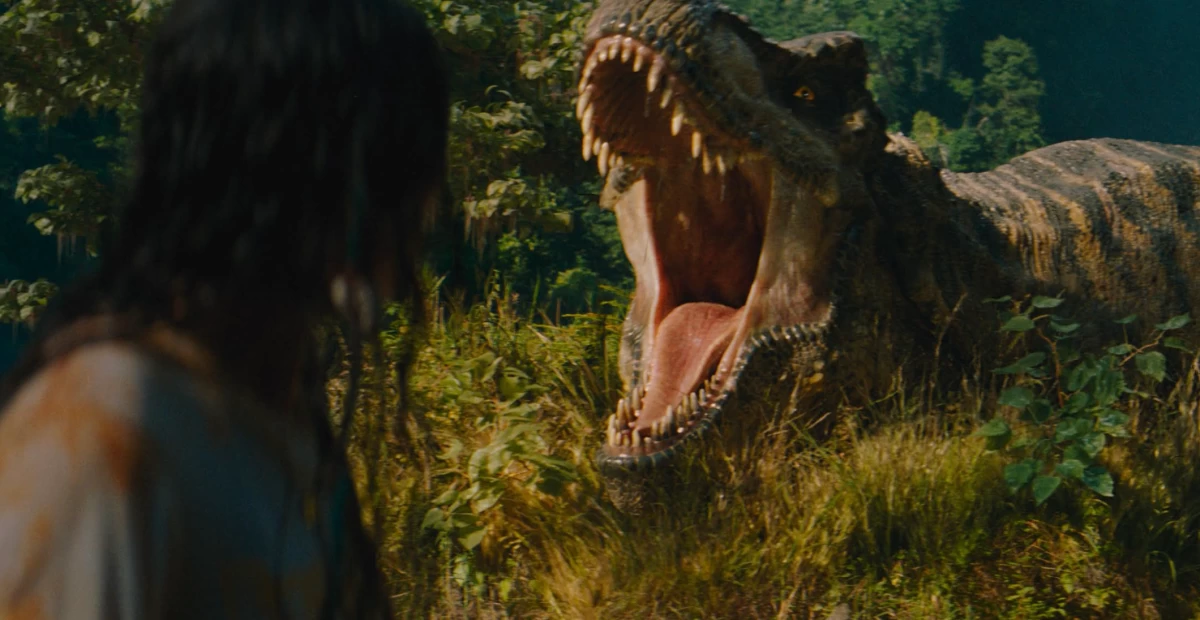
A scene from 'Jurassic World Rebirth' (images courtesy of Universal Pictures)
By Jolo Flores
Over three decades and seven sequels later, ‘Jurassic World Rebirth’ attempts to revive the wonder, terror, and grandeur of the franchise. The question is: does it evolve, or does it simply recycle?
I am grateful to have been invited to the film’s advance premiere at SM Megamall on July 1. And while the experience was thrilling, the film has a balance of fresh steps and familiar missteps, which the title of this review reflects.
Directed by Gareth Edwards (Rogue One, The Creator), penned by ‘Jurassic Park’ veteran writer David Koepp, and executive produced by the original director Steven Spielberg, this latest installment takes place five years after the events of ‘Jurassic World Dominion’ and primarily acts as a standalone sequel and a “reset.”
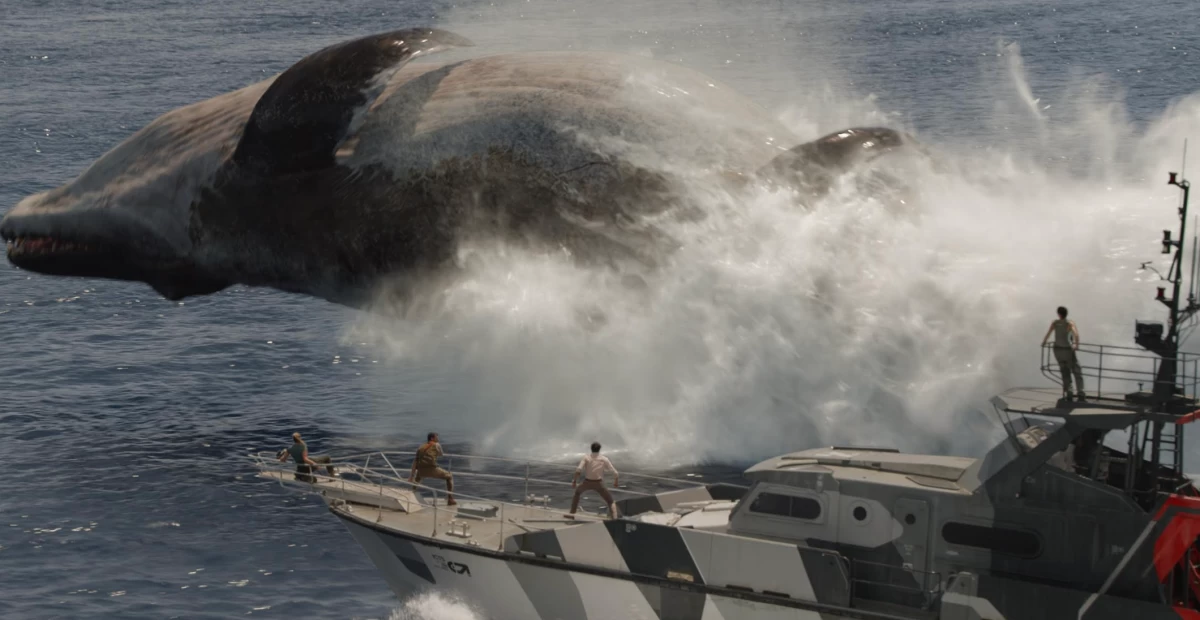
The plot follows hardened field operative Zora Bennett (Scarlett Johansson), stoic ship captain Duncan Kincaid (Mahershala Ali), and wide-eyed paleontologist Dr. Henry Loomis (Jonathan Bailey) on a covert mission to a remote island. Their adventure takes an unexpected turn when they encounter a shipwrecked family struggling to survive the island’s dangers.
One of the film’s biggest triumphs is its atmosphere. Edwards brings a sense of scale and suspense rarely seen since Spielberg’s original. The dinosaurs are not just visual effects; they are forces of nature. The film never lets you feel safe, from the eerie silence of the jungle to the chaos of a boat ambushed by a marine predator.
Many moviegoers came to see the dinosaurs, just like in previous films. The dinosaur scenes had the entire cinema screaming. And believe me, the best part of this movie involves the franchise's most iconic dinosaur.
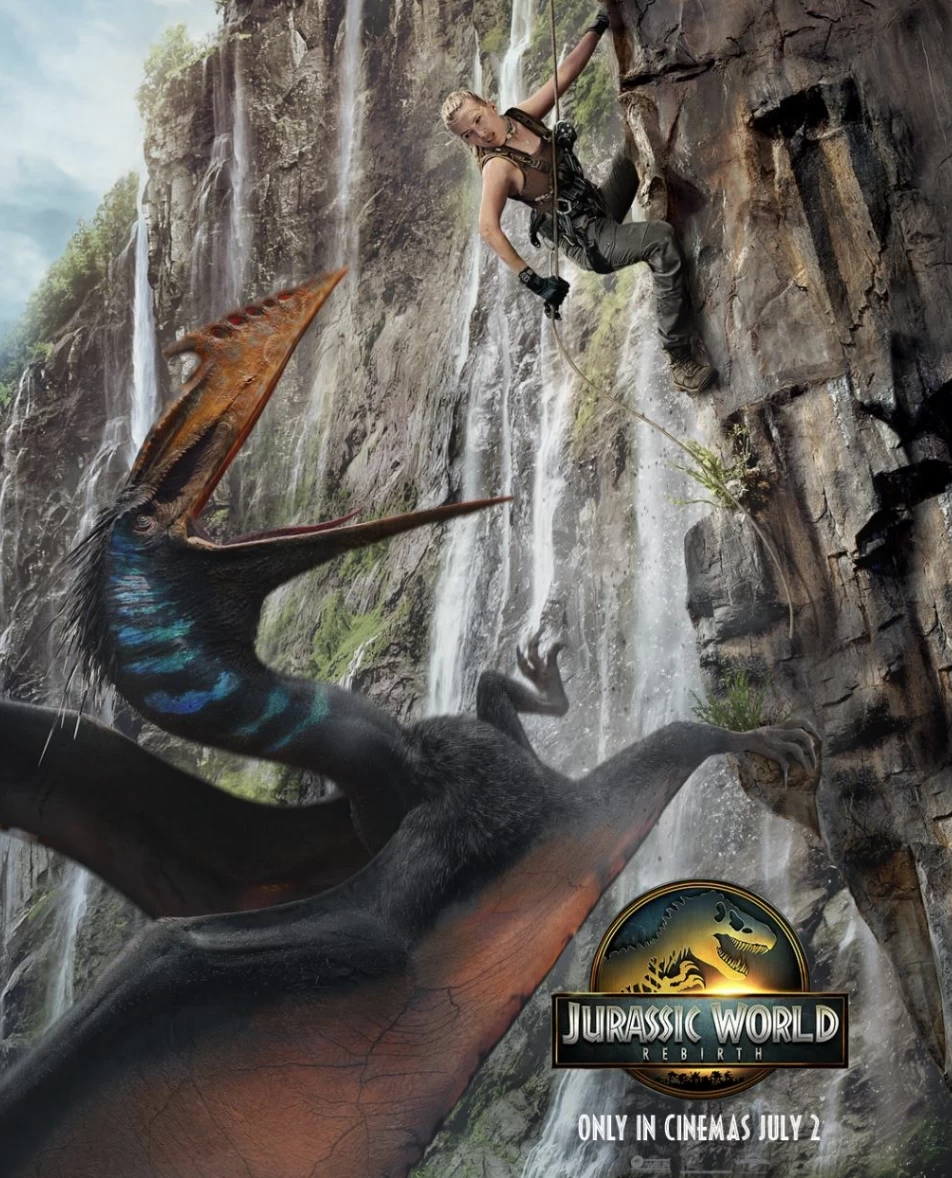
I have mixed feelings about the newly discovered dinosaur called the Distortus Rex. While it resembles a Tyrannosaurus rex but with six limbs, along with a design reminiscent of the Xenomorph from the Alien film series, its presence feels lacking.
Although visually striking, its introduction seems forced, and its impact in the film is relatively subdued. Performance-wise, Scarlett Johansson brings a compelling mix of grit and nuance, but her character arc remains largely stoic and internalized. This aspect leaves viewers admiring her control rather than empathizing with her journey.
Mahershala Ali reliably plays with quiet intensity, though the story gave him limited space to explore deeper flaws. And Jonathan Bailey adds some humanity and curiosity, channeling a bit of that classic ‘Jurassic Park’ wonder, but his role often serves as a mouthpiece for exposition.
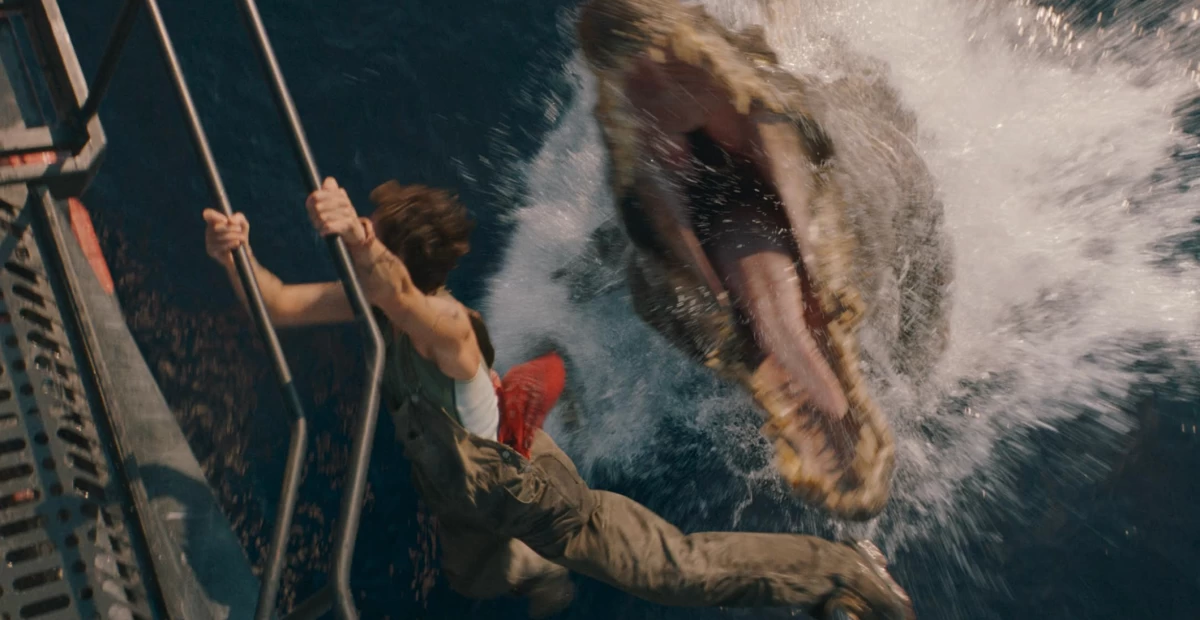
By the film’s midpoint, it is clear that while the lead trio drives the plot, it’s the shipwrecked family’s struggle for survival that audiences become most emotionally invested in.
Their vulnerability makes the dinosaurs feel scarier, and their bond injects a sense of hope and heart that the primary mission sometimes lacks.
The film’s pacing also stumbles midway, as character development briefly slows momentum. While it excels in tension and tone, it doesn’t quite bring new ideas to the table — evolution, control, and exploitation are themes the franchise has tackled before, and they revisit these themes here rather than reinvent them. Still, the film’s commitment makes it a significant improvement over its predecessor.
Overall, ‘Jurassic World Rebirth’ effectively delivers a visually stunning and suspenseful experience that rekindles the awe associated with the franchise. While the dinosaurs continue to terrify the audience, the repetition of familiar elements and tropes in this installment suggests that the 'Jurassic' franchise may be close to its extinction.
'Jurassic World Rebirth' is now showing in cinemas nationwide.