






Manila Bulletin
 Lifestyle
Arts and Culture
A look into Arturo Sanchez Jr.'s 'Rarely Visible to the Naked Eye'
Lifestyle
Arts and Culture
A look into Arturo Sanchez Jr.'s 'Rarely Visible to the Naked Eye'
Lifestyle
Arts and Culture
A look into Arturo Sanchez Jr.'s 'Rarely Visible to the Naked Eye'
A look into Arturo Sanchez Jr.'s 'Rarely Visible to the Naked Eye'
How this artist's work explores human experiences
By S.C. Fojas
Published Jul 4, 2025 10:16 pm


At A Glance
- The works encourage viewers to look beyond immediate appearances, suggesting that truth or presence isn't always obvious and requires deeper attention or insight to perceive.
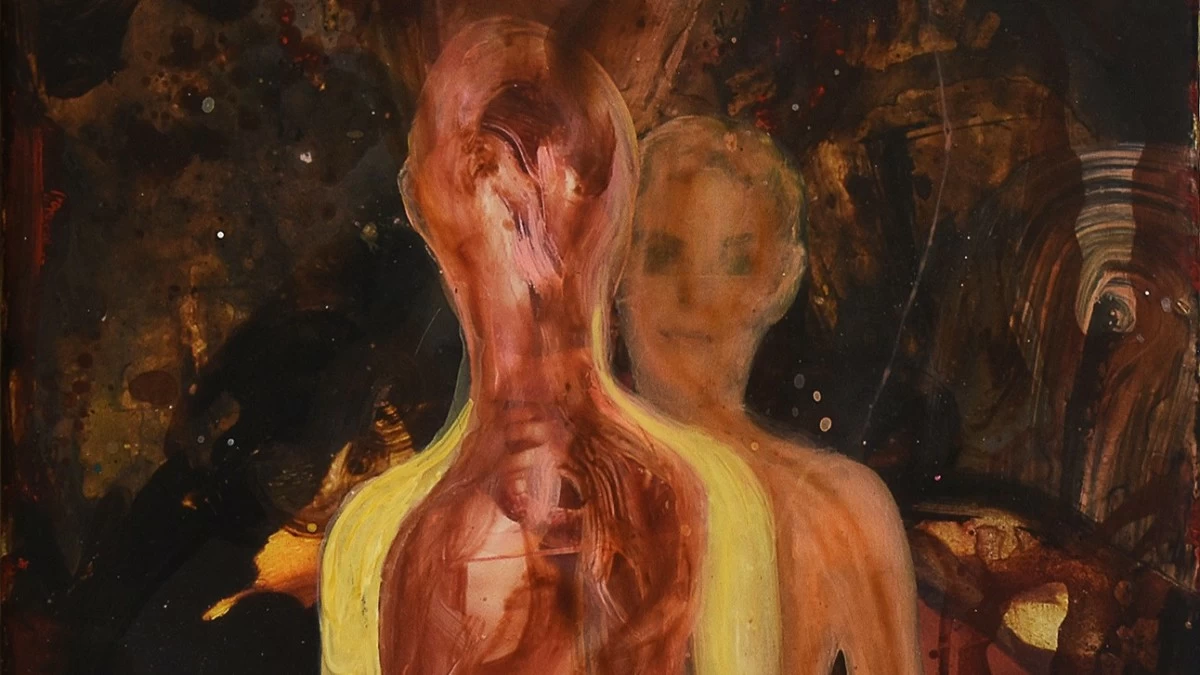
'SOUL PAINTING SEVEN,' 14x12 inches, acrylic, collage, and polyurethane on canvas, 2025 - Copy
Arturo Sanchez’s exhibit “Rarely Visible to the Naked Eye” is about the subtle and often overlooked aspects of human experience, where the visible and invisible intertwine. In the exhibit, Arturo employs layered visual cues to dissect the emotional ambiguity of his works. His pieces, which he describes in hindsight as “mere hallucinations,” form a crucial part of an even larger exhibit in the future.
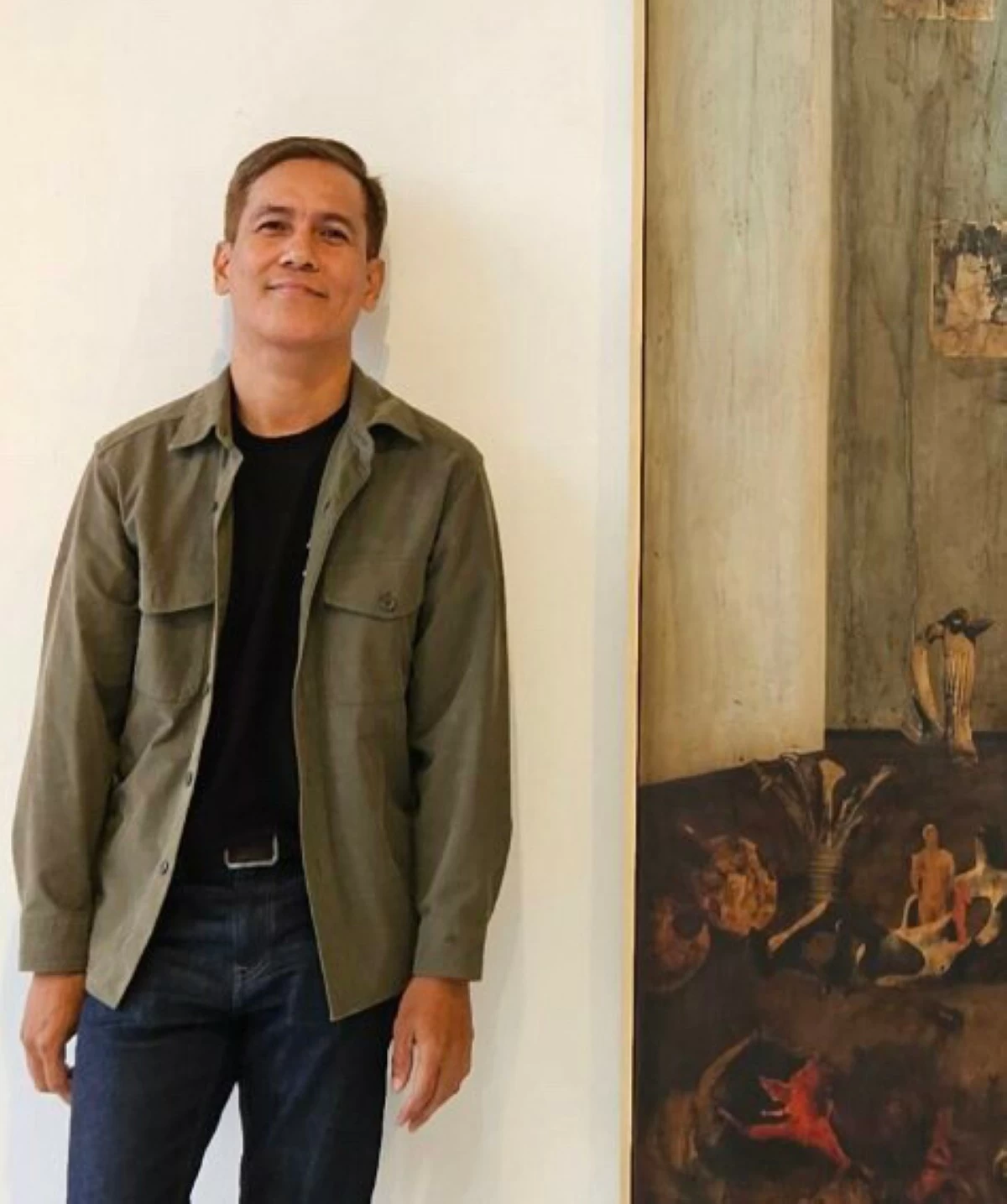
MEET THE ARTIST Arturo Sanchez Jr.
Arturo is driven by several core themes, including “perception vs. reality.” “The exhibit stems from my interest in the subtle, often overlooked layers of human experience. I wanted to explore the spaces between perception and memory, visibility and invisibility, where emotion, vulnerability, and ambiguity reside. The inspiration came from the fragmented thoughts that feel real but are difficult to fully articulate or grasp,” he explains.
The exhibit’s title itself points to a concern with what is subtle, hidden, or easily missed. Arturo elaborated on his fascination with these themes, stating, “I’ve always been fascinated by how much of our inner lives remain hidden, even to ourselves. Perception is never objective, it’s colored by personal histories, emotions, and unconscious filters. Through collage, layering, and distorted forms, I try to represent the gap between what is seen and what is felt, the real versus the imagined. The unseen holds just as much weight as the invisible.”
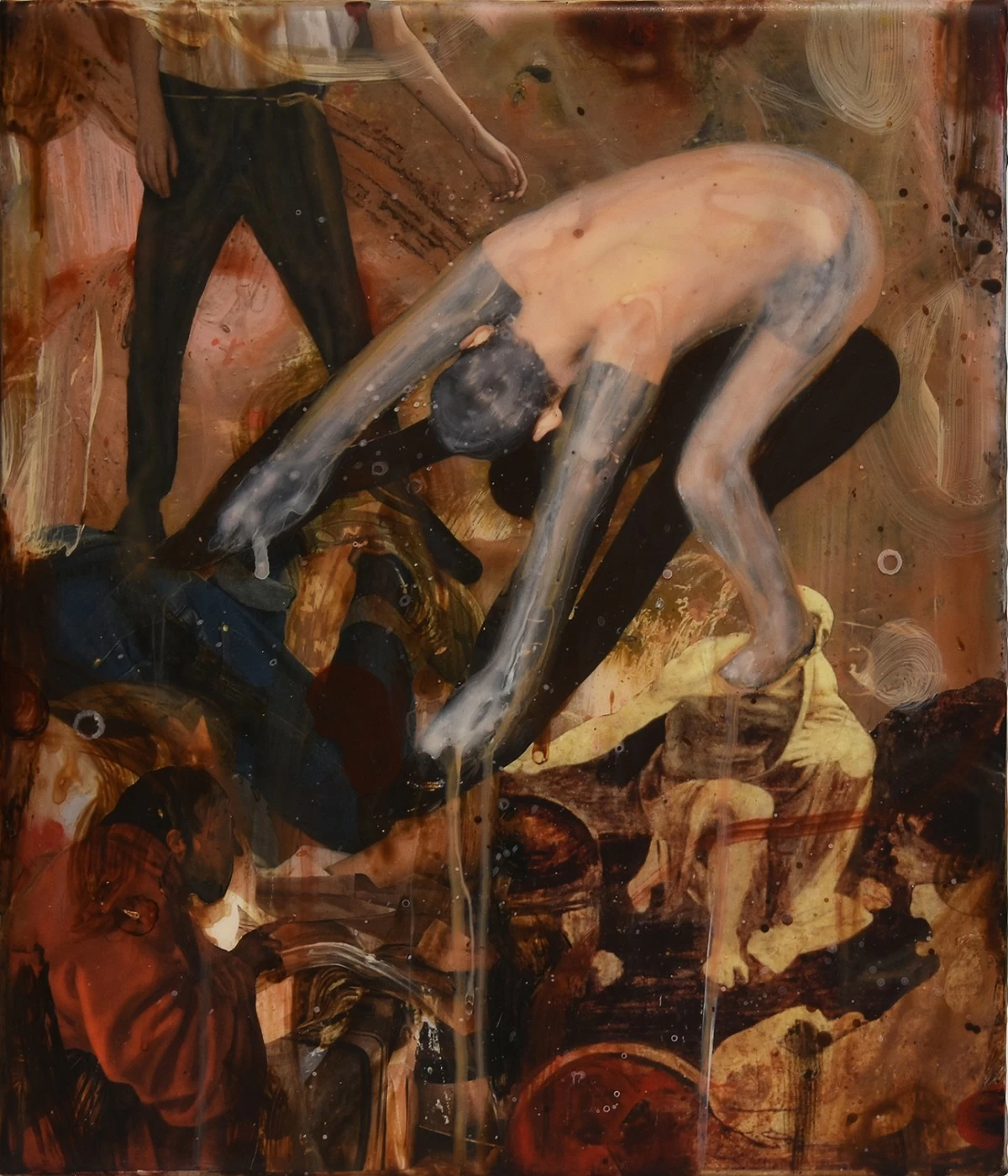
'SOUL PAINTING EIGHT,' 14x12 inches, acrylic, collage, and polyurethane on canvas, 2025
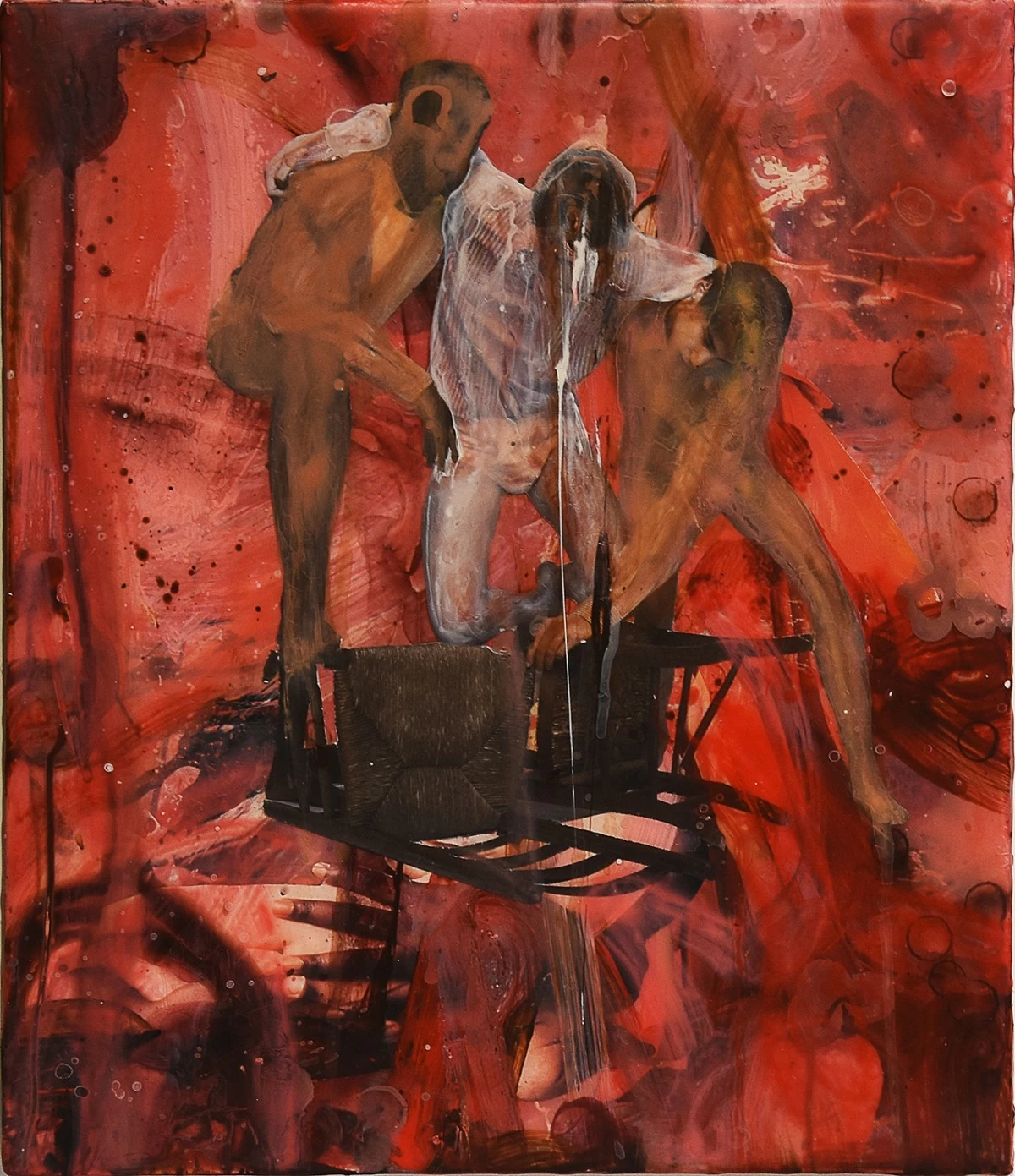
'SOUL PAINTING FIVE.' 14x12 inches, acrylic, collage, and polyurethane on canvas, 2025
The works encourage viewers to look beyond immediate appearances, suggesting that truth or presence isn’t always obvious and requires deeper attention or insight to perceive. Through this, Arturo provides different perspectives on what is presented, whether explicitly or implicitly.
Another key theme in his works is the “layered visual experience.” Given his use of collage, resin, and mixed media, the title aligns with an aesthetic where meanings are embedded within layers, mirrored reflections, or fragmented compositions. Arturo’s composition process is “quite instinctive and non-linear. I gather clippings, fragments, and found images, and let them speak to one another on the surface. Often, the work begins from a certain gesture or material that evokes a vague emotional state. I then build that from layering, obscuring, and revealing, almost like constructing a memory. Each piece evolves intuitively, without a fixed end in mind.”
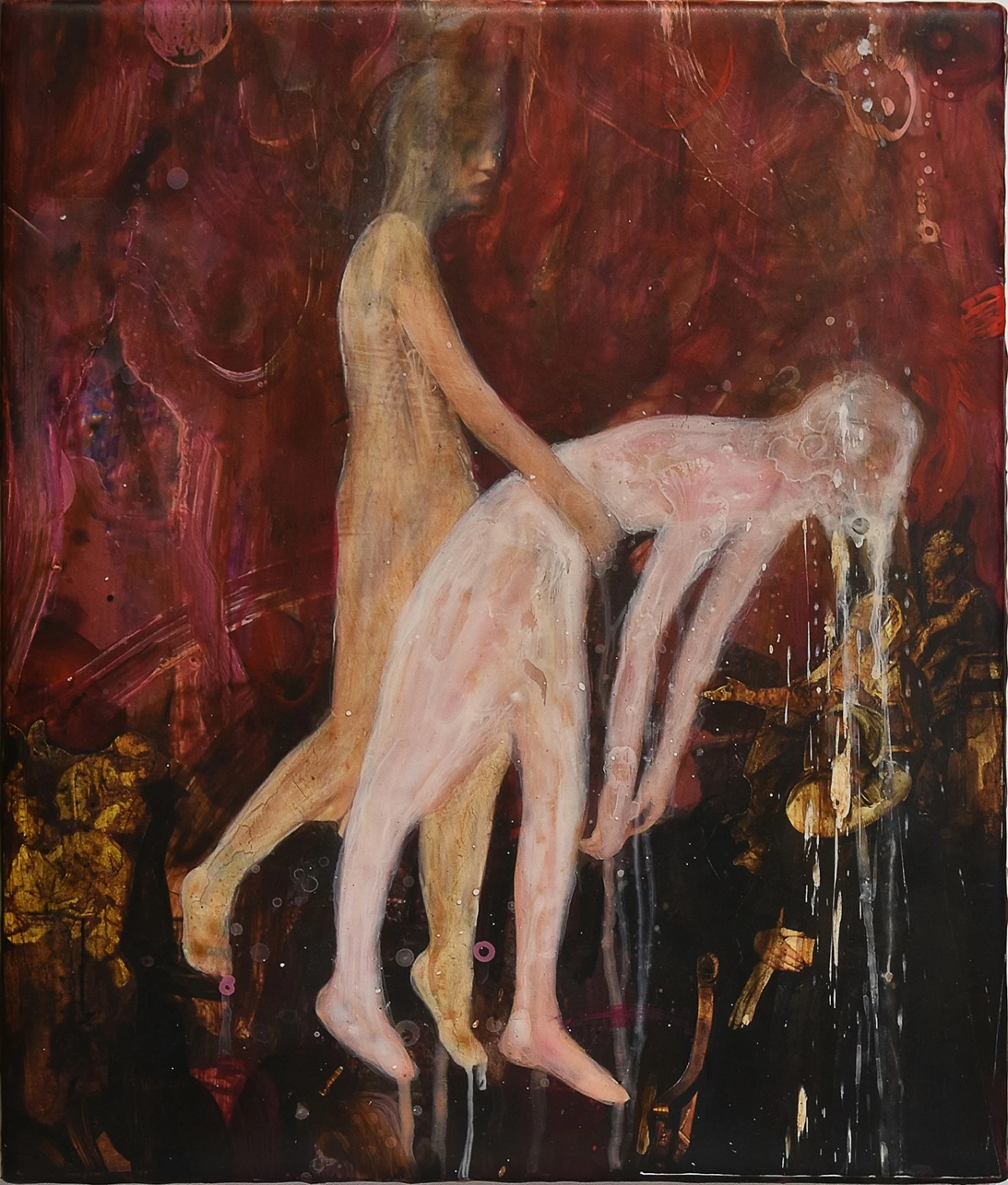
'SOUL PAINTING FOUR,' 14x12 inches, acrylic, collage, and polyurethane on canvas, 2025
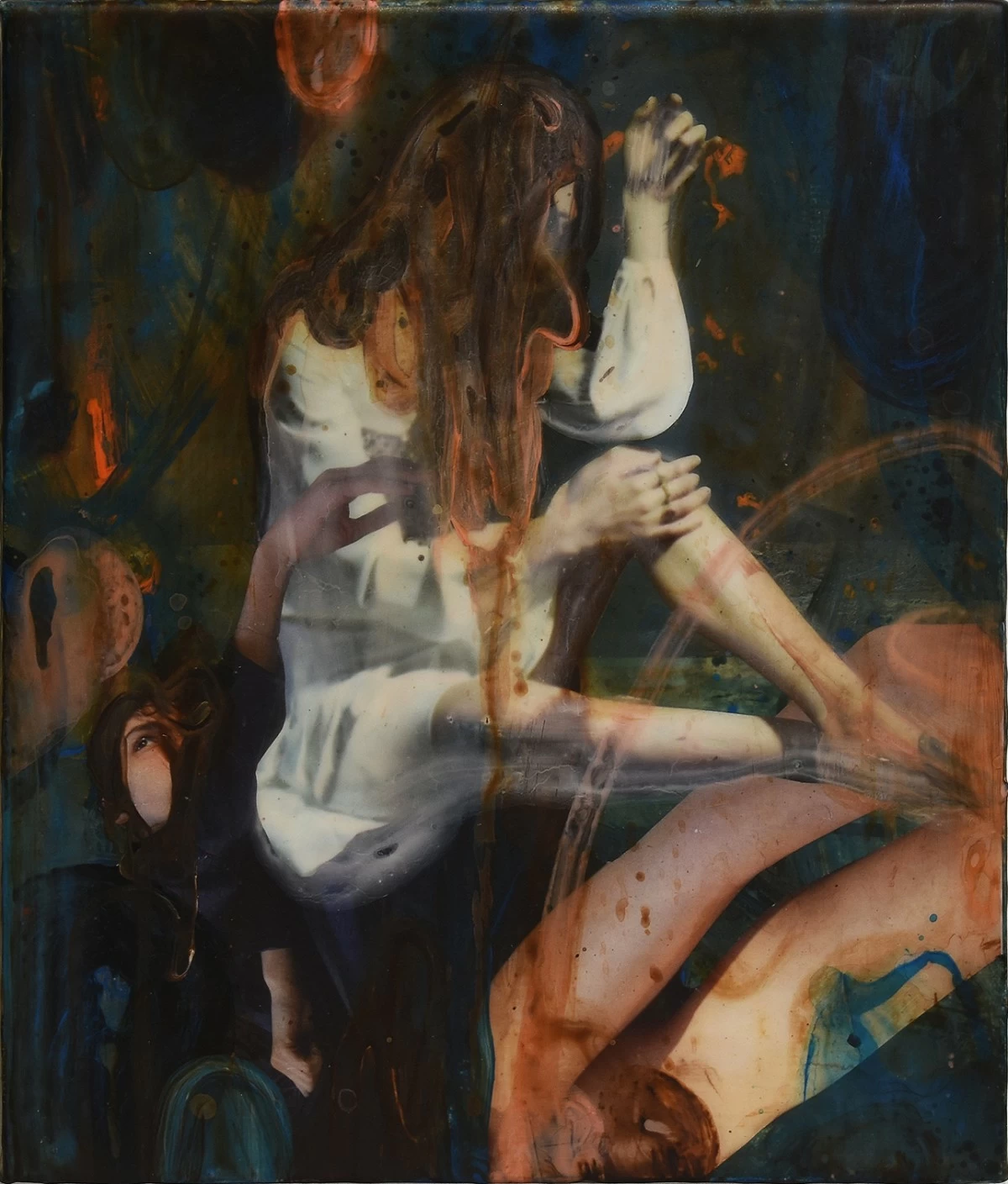
'SOUL PAINTING NINE,' 14x12 inches, acrylic, collage, and polyurethane on canvas, 2025
His works, which walk “the line between the majestic and the macabre,” offer multiple ways of interpreting the sentiments he imbues into them.
Arturo also delves into “mental or emotional states.” The phrase “rarely visible” reflects his recent internal experiences with memory, longing, dissociation, or fragmented identity, which are not easily articulated or visible on the surface. His “Hallucinations” series of portraits offers a glimpse into the various mental or emotional states the artist projects onto the canvas.
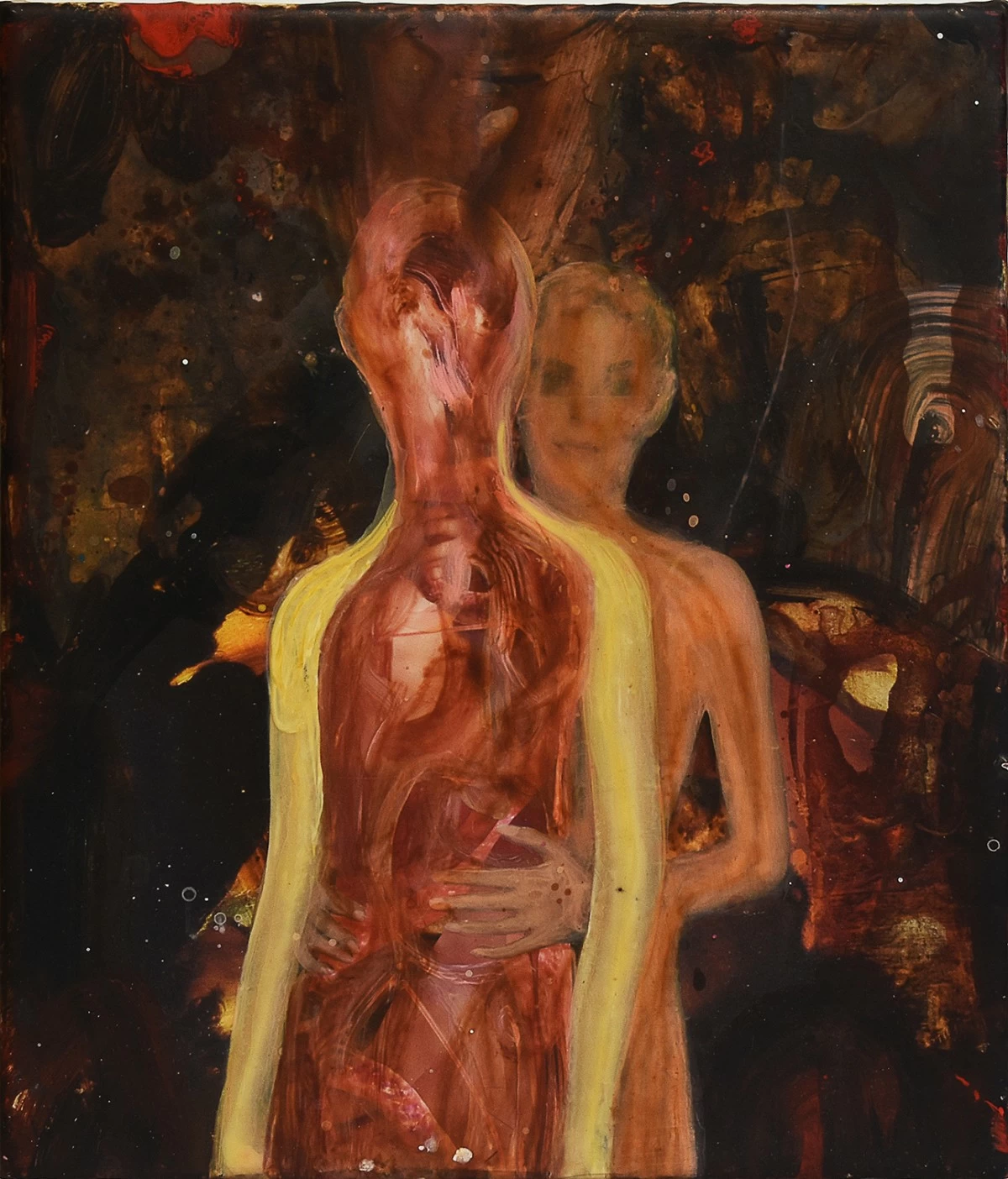
'SOUL PAINTING SEVEN,' 14x12 inches, acrylic, collage, and polyurethane on canvas, 2025 - Copy
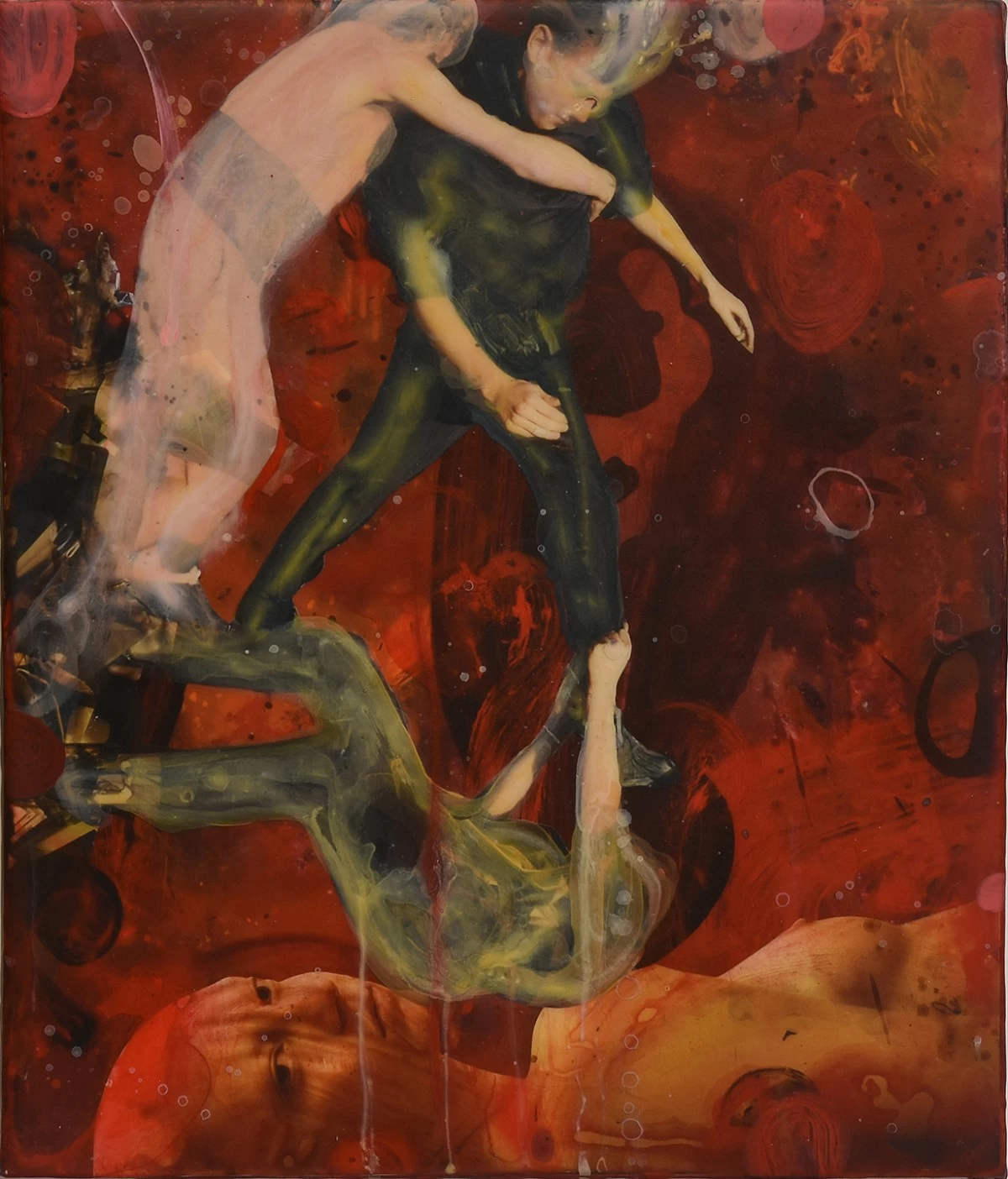
'SOUL PAINTING ONE,' 14x12 inches, acrylic, collage, and polyurethane on canvas, 2025
The exhibit also carries a “scientific or observational tone.” The phrase, “to the naked eye,” introduces a slightly scientific, almost clinical or observational quality, suggesting that a metaphorical “microscope” might be needed for full comprehension. His “Soul Paintings,” for instance, present an almost anatomical treatment of various states of being, offering viewers diverse ways of seeing. Viewing the works in the series feels akin to a “surgical approach” into the artist’s mind, revealing the “flesh and bones of his thought.” The paintings are reminiscent of “different body parts laid out on an operating table, enticing inquiry and observation.”
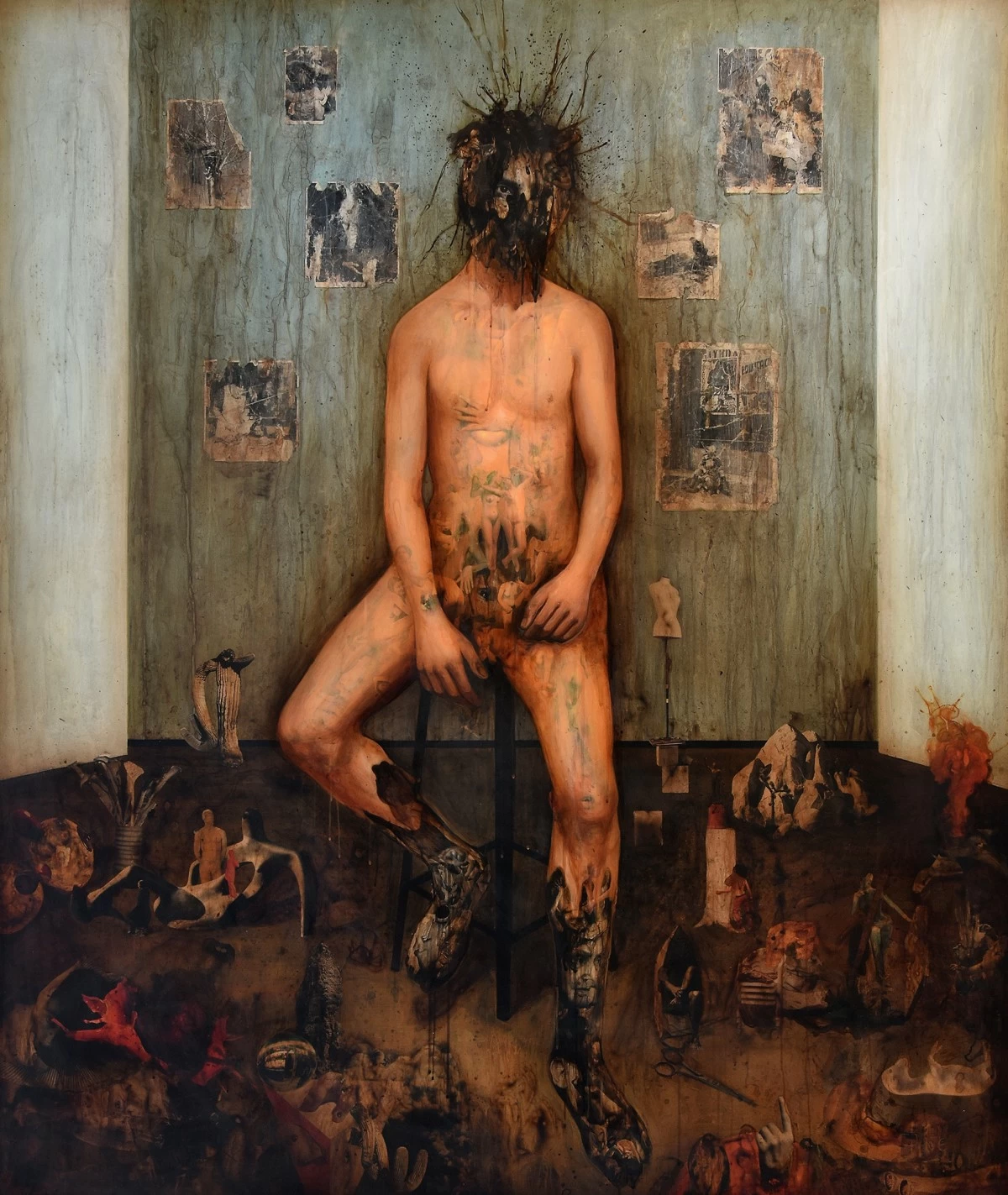
'THE INVENTION OF HYSTERIA,' 72x60 inches, acrylic, collage, and polyurethane on canvas, 2025
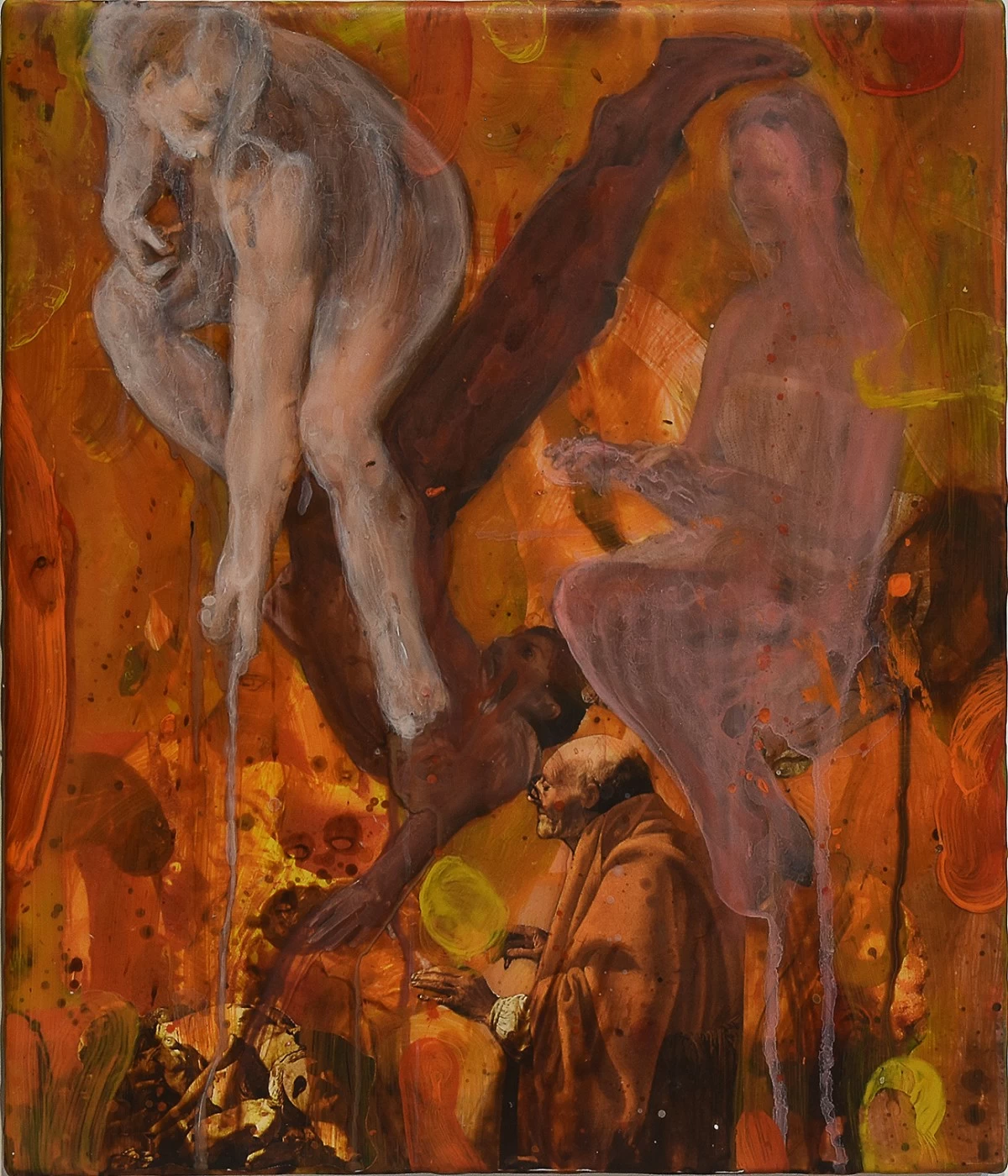
'SOUL PAINTING SIX,' 14x12 inches, acrylic, collage, and polyurethane on canvas 2025
Arturo hopes viewers will gain a “heightened sensitivity to what we usually overlook both in others and within themselves. It invites viewers to pause, to sit with uncertainty, and to consider how meaning is constructed not just through clarity, but also through obscurity and silence. If they leave with more questions than answers, that’s a success for me.”