ADVERTISEMENT

Takeda Philippines explains dengue vaccine application withdrawals in US, Singapore

Published Jul 3, 2025 02:05 pm
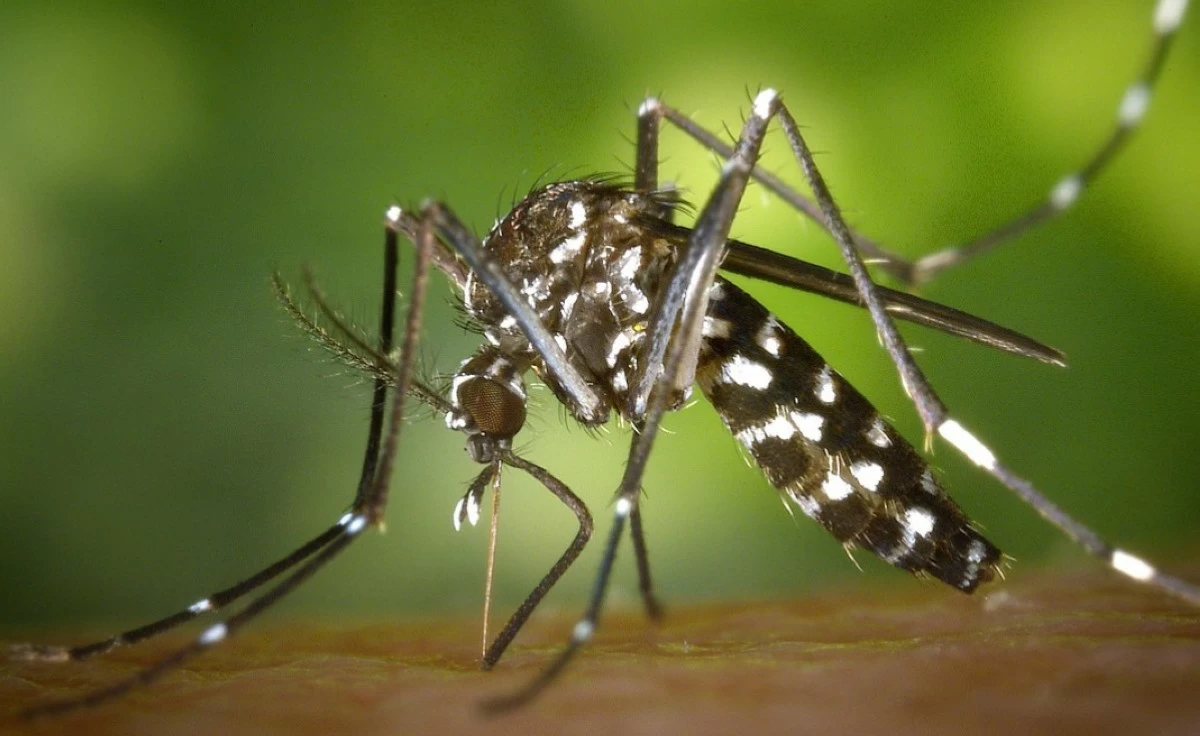
(PHOTO: PIXABAY)
(PHOTO: PIXABAY)
Takeda Healthcare Philippines, Inc. on Thursday, July 3, clarified that its decision to voluntarily withdraw applications for its dengue vaccine TAK-003 in the United States (US) and Singapore was due to data collection requirements from local regulators, not because of safety or efficacy concerns.
Currently, Takeda is applying for Food and Drugs Administration (FDA) approval in the Philippines for its dengue vaccine, TAK-003.
“The voluntary withdrawal of our applications in the US and Singapore for our dengue vaccine, TAK-003, was related to aspects of data collection requested by the local health agencies,” the company said in a statement.
“Takeda respects the regulatory processes of each country and remains committed to working closely with health authorities globally,” it added.
Despite the withdrawals, the company said TAK-003 has been validated through regulatory approvals in 40 countries across Europe, South America, and Asia.
More than 15 million doses have been distributed globally under public and private immunization programs, it added.
“The vaccine’s real-world safety profile has been consistent with the data from clinical trials,” Takeda said.
The company noted that the World Health Organization (WHO) in May 2024 recommended and prequalified the vaccine for use in countries with high dengue burden.
Takeda said TAK-003 can be given regardless of prior dengue exposure and does not require serologic screening before vaccination.
In the Philippines, the company said it has submitted all necessary documents to local regulators and is cooperating with health authorities.
“In the Philippines, Takeda has submitted all information requested by relevant agencies and remains committed to working with health authorities to ensure TAK-003 can be thoroughly evaluated for approval as part of the Philippines’ broader dengue prevention efforts,” Takeda stated.
“We share the government’s vision of reducing the dengue burden and protecting Filipino communities from this ongoing health threat,” it added.
In February 2025, the Philippine Medical Association (PMA) called on President Marcos to fast-track the approval of a next-generation dengue vaccine amid rising cases.
The PMA, in a letter addressed to the Chief Executive, urged the prompt approval of TAK-003, the dengue vaccine created by Japan-based pharmaceutical company Takeda.
Earlier, the Department of Health (DOH) emphasized that the FDA must complete its full evaluation before any new vaccine can be approved.
ADVERTISEMENT
.most-popular .layout-ratio{ padding-bottom: 79.13%; } @media (min-width: 768px) and (max-width: 1024px) { .widget-title { font-size: 15px !important; } }

{{ articles_filter_1561_widget.title }}

.most-popular .layout-ratio{ padding-bottom: 79.13%; } @media (min-width: 768px) and (max-width: 1024px) { .widget-title { font-size: 15px !important; } }

{{ articles_filter_1562_widget.title }}

.most-popular .layout-ratio{ padding-bottom: 79.13%; } @media (min-width: 768px) and (max-width: 1024px) { .widget-title { font-size: 15px !important; } }

{{ articles_filter_1563_widget.title }}

{{ articles_filter_1564_widget.title }}

.mb-article-details { position: relative; } .mb-article-details .article-body-preview, .mb-article-details .article-body-summary{ font-size: 17px; line-height: 30px; font-family: "Libre Caslon Text", serif; color: #000; } .mb-article-details .article-body-preview iframe , .mb-article-details .article-body-summary iframe{ width: 100%; margin: auto; } .read-more-background { background: linear-gradient(180deg, color(display-p3 1.000 1.000 1.000 / 0) 13.75%, color(display-p3 1.000 1.000 1.000 / 0.8) 30.79%, color(display-p3 1.000 1.000 1.000) 72.5%); position: absolute; height: 200px; width: 100%; bottom: 0; display: flex; justify-content: center; align-items: center; padding: 0; } .read-more-background a{ color: #000; } .read-more-btn { padding: 17px 45px; font-family: Inter; font-weight: 700; font-size: 18px; line-height: 16px; text-align: center; vertical-align: middle; border: 1px solid black; background-color: white; } .hidden { display: none; }
function initializeAllSwipers() { // Get all hidden inputs with cms_article_id document.querySelectorAll('[id^="cms_article_id_"]').forEach(function (input) { const cmsArticleId = input.value; const articleSelector = '#article-' + cmsArticleId + ' .body_images'; const swiperElement = document.querySelector(articleSelector); if (swiperElement && !swiperElement.classList.contains('swiper-initialized')) { new Swiper(articleSelector, { loop: true, pagination: false, navigation: { nextEl: '#article-' + cmsArticleId + ' .swiper-button-next', prevEl: '#article-' + cmsArticleId + ' .swiper-button-prev', }, }); } }); } setTimeout(initializeAllSwipers, 3000); const intersectionObserver = new IntersectionObserver( (entries) => { entries.forEach((entry) => { if (entry.isIntersecting) { const newUrl = entry.target.getAttribute("data-url"); if (newUrl) { history.pushState(null, null, newUrl); let article = entry.target; // Extract metadata const author = article.querySelector('.author-section').textContent.replace('By', '').trim(); const section = article.querySelector('.section-info ').textContent.replace(' ', ' '); const title = article.querySelector('.article-title h1').textContent; // Parse URL for Chartbeat path format const parsedUrl = new URL(newUrl, window.location.origin); const cleanUrl = parsedUrl.host + parsedUrl.pathname; // Update Chartbeat configuration if (typeof window._sf_async_config !== 'undefined') { window._sf_async_config.path = cleanUrl; window._sf_async_config.sections = section; window._sf_async_config.authors = author; } // Track virtual page view with Chartbeat if (typeof pSUPERFLY !== 'undefined' && typeof pSUPERFLY.virtualPage === 'function') { try { pSUPERFLY.virtualPage({ path: cleanUrl, title: title, sections: section, authors: author }); } catch (error) { console.error('ping error', error); } } // Optional: Update document title if (title && title !== document.title) { document.title = title; } } } }); }, { threshold: 0.1 } ); function showArticleBody(button) { const article = button.closest("article"); const summary = article.querySelector(".article-body-summary"); const body = article.querySelector(".article-body-preview"); const readMoreSection = article.querySelector(".read-more-background"); // Hide summary and read-more section summary.style.display = "none"; readMoreSection.style.display = "none"; // Show the full article body body.classList.remove("hidden"); } document.addEventListener("DOMContentLoaded", () => { let loadCount = 0; // Track how many times articles are loaded const offset = [1, 2, 3, 4, 5, 6, 7, 8, 9, 10]; // Offset values const currentUrl = window.location.pathname.substring(1); let isLoading = false; // Prevent multiple calls if (!currentUrl) { console.log("Current URL is invalid."); return; } const sentinel = document.getElementById("load-more-sentinel"); if (!sentinel) { console.log("Sentinel element not found."); return; } function isSentinelVisible() { const rect = sentinel.getBoundingClientRect(); return ( rect.top < window.innerHeight && rect.bottom >= 0 ); } function onScroll() { if (isLoading) return; if (isSentinelVisible()) { if (loadCount >= offset.length) { console.log("Maximum load attempts reached."); window.removeEventListener("scroll", onScroll); return; } isLoading = true; const currentOffset = offset[loadCount]; window.loadMoreItems().then(() => { let article = document.querySelector('#widget_1690 > div:nth-last-of-type(2) article'); intersectionObserver.observe(article) loadCount++; }).catch(error => { console.error("Error loading more items:", error); }).finally(() => { isLoading = false; }); } } window.addEventListener("scroll", onScroll); });

Sign up by email to receive news.