







The Makati central business district is up for redevelopment
Plans are being mapped out to revitalize the Makati central business district
Published Jul 2, 2025 06:43 pm


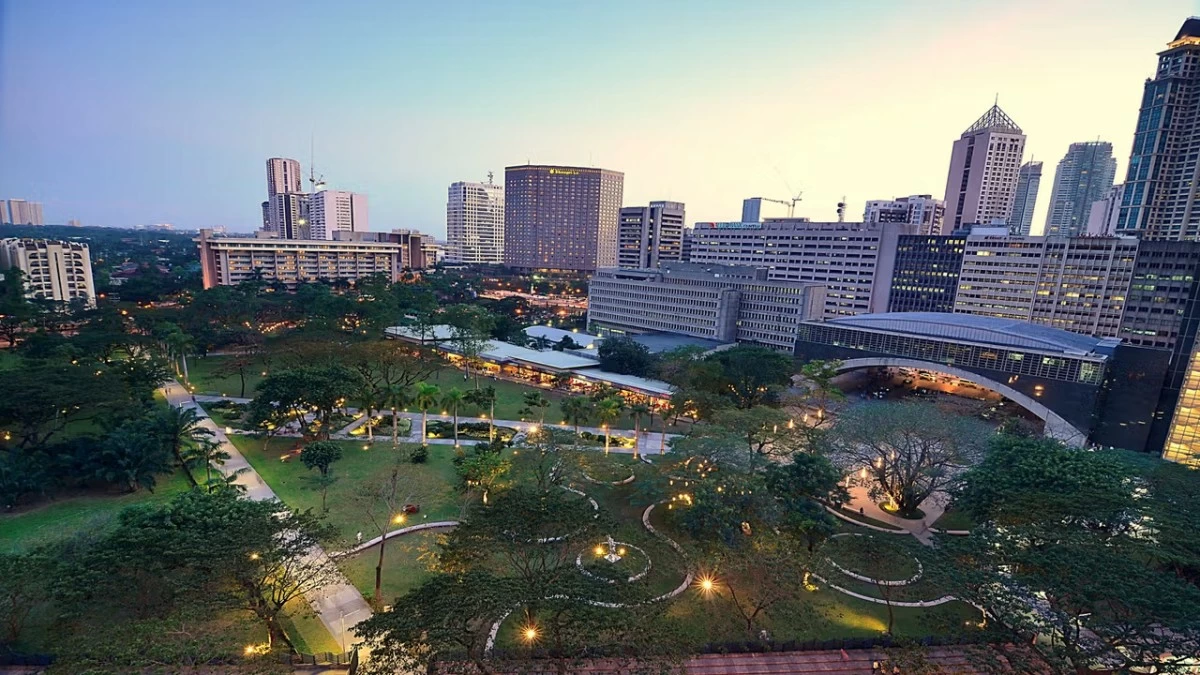
Makati Central Business District
The Makati Central Business District (CBD) remains the top preferred office address by companies due to its central location, intermodal transport system, pedestrian-friendly infrastructure, range of services, and both green and open spaces. Banking and finance companies, outsourcing firms, IT offices, and telco and utility providers primarily occupy the district office stock. However, more than half of its office buildings are over 30 years old, necessitating a revitalization plan and secure its place as the country’s top business district.
As early as 2024, the Makati Central Estate Association (MACEA) proposed a second amendment of the deed of restrictions and design standards of the CBD.
From Colliers Philippines’ Outlook report, the Makati Central Estate Association's (MACEA) proposals for redevelopment include transit-oriented development, the rezoning of areas into mixed-use zones, and a 25 percent increase in the allowable floor area ratio (FAR) for office and retail developments in Salcedo and Legaspi Villages.
Such amendments, in Colliers Philippines’ view, could bring an additional 1.2 to 2.6 million sqm of gross floor area to the district. These changes could potentially catalyze the redevelopment of aging buildings, especially in Salcedo and Legazpi Villages, and future-proof the CBD by encouraging sustainable and modern structures.
It was also pointed out that the proposals should provide for an adequate capacity in water, electricity, and sewerage systems, and incentives tied to green building compliance, following Singapore’s model of urban development.
In 2026, Colliers’ projections for the district’s vacancy rate showed a possible drop to 5.5 percent, which will further decline over the next two years. This trend may ease slightly by 2029, since the major redevelopment of the banks’ headquarters is expected to be completed, with only a portion of new office space allotted for the leasing market. Any space available may be absorbed quickly, given the sustained demand for quality office space in the area. Unless market dynamics shift, Makati CBD appears to be headed for a prolonged landlord’s market in the coming years.
In addition, the report said that the Condominium Redevelopment Act, expected to be re-filed in Congress, will enable MACEA's mixed-use zoning plan.
Between 2025 and 2029, Colliers projected nearly 2 million sqm of new office supply across Metro Manila, with Makati CBD accounting for 15 percent. Key developments cited were the Calistoga Office Building, McKinley Exchange Corporate Center 2, PHC Buendia, The Gentry Corporate Plaza, and the redevelopment of BDO, BPI, Metrobank, and Chinabank headquarters.
In the residential segment, from 2025 to 2029, Makati is expected to contribute 20,700 new condo units in Metro Manila, from luxury developments such as Eluria by Arthaland, Parkford Suites by Alveo Land, The Estate by SMDC and Federal Land, and Laurean, replacing Dela Rosa Carpark 2.
The redevelopment of Ayala Land’s Mandarin Oriental and LeParc Apartments into Park Central Towers and Park Villas, respectively, is also in the pipeline.
The Makati CBD continues to outperform other districts in the residential segment, recording less than 2 percent of Metro Manila’s unsold RFO units, while secondary and pre-selling condos in prime areas like Ayala Avenue remain among the most expensive in the metro.