







Lacson files bill regulating minors' use of social media
Published Jul 2, 2025 01:55 pm


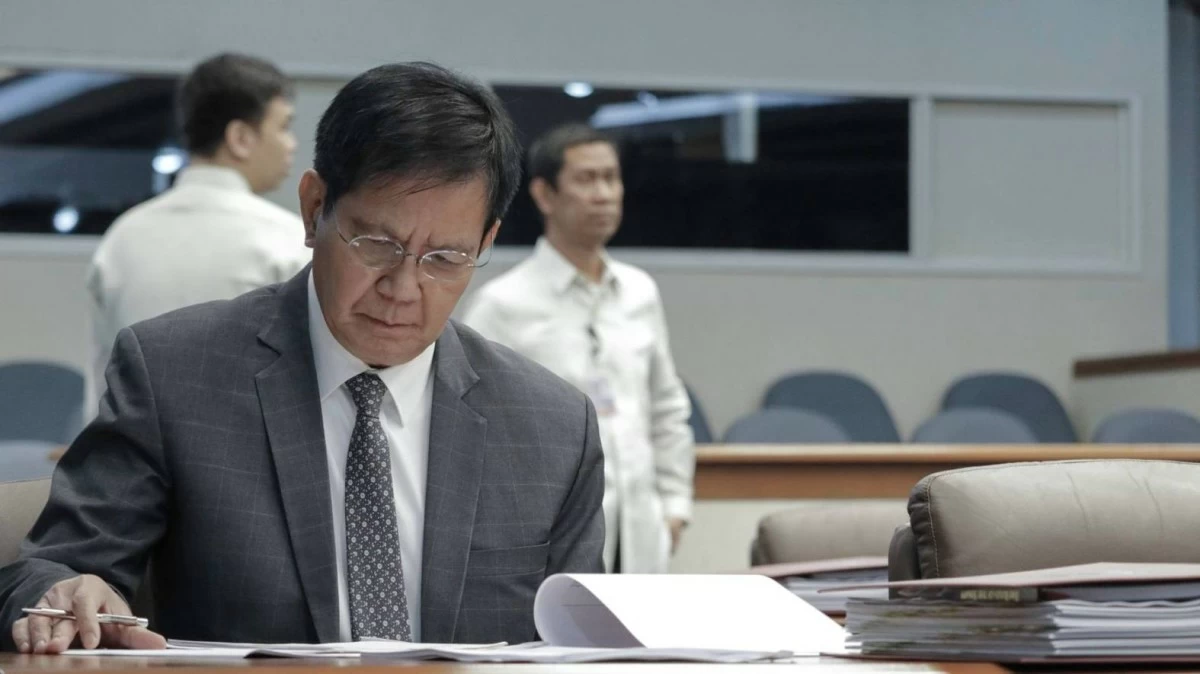
Senator Panfilo “Ping” Lacson has filed a bill regulating the use of social media platforms by minors in order to protect Filipino youths from its harmful effects.
Lacson cited a study done by the United Nations Children’s Fund (UNICEF) showing how the excessive use of social media is linked to mental health problems, as well as anxiety, depression and social isolation among the youth.
“A UNICEF study ... revealed that Filipino children and adolescents have grown vulnerable to cyberbullying, body image pressures, and online harassment because of social media exposure,” Lacson said in the measure titled “An Act Regulating the Use of Social Media Platforms by Minors, Imposing Age Restrictions, Providing Penalties for Violations Thereof, and for Other Purposes.”
The senator also cited the Council for the Welfare of Children report that one in every three children in the Philippines aged 0 to 18 uses the internet, while the National ICT Household Survey revealed that 60 percent of children aged 10 to 17 not only have internet access but are also active users.
Other countries such as Australia have initiated policies to regulate minors’ access to social media and online platforms, the lawmaker noted.
The Australian government, Lacson noted, passed a law setting a minimum age limit for social media platforms saying this is part of their broader strategy to create safer digital spaces for everyone.
“Taking inspiration from this model, and in adherence to our State’s declared policy of promoting and protecting the mental and emotional well-being of its children, this bill is being proposed to protect Filipino children below 18 years old from online risks and harmful content by prohibiting minors from accessing or using social media platforms,” Lacson said.
Under Lacson’s bill, minors shall be prohibited from accessing or using social media services.
At the same time, social media platforms shall take “reasonable steps and age verification measures to prevent age-restricted users from registering, accessing, or continuing to use their social media service.”
Under the bill, social media platforms will be obligated to
* Adopt reliable means to ensure the age and identity of its users, such as but not limited to ID verification, facial recognition, and other identity authentication systems;
* Conduct regular audits of user account data to detect and remove age-restricted users from the platform; and
* Adopt prompt response mechanisms for reports or findings of age-restricted users on the platform.
Moreover, personal information collected by social media platforms or third-party service providers to implement age verification measures shall be subject to the provisions of the Data Privacy Act of 2012 and applicable laws.
The bill also requires platform providers to ensure that the data collected is limited, secure, and retained only for the period necessary to fulfill its intended lawful purpose, with users clearly informed of the purpose and scope of data collection, including their rights.
Should a social media platform violate this provision, they would be subjected to penalties under the Data Privacy Act and any other administrative, civil or criminal penalties as may be prescribed by law.
The proposed law also mandates the Department of Information and Communications Technology (DICT) to serve as the primary implementing agency of this Act.