






Manila Bulletin
 Philippines
National
Romualdez, solons take another stab at dedicated center for disease prevention
Philippines
National
Romualdez, solons take another stab at dedicated center for disease prevention
Philippines
National
Romualdez, solons take another stab at dedicated center for disease prevention
Romualdez, solons take another stab at dedicated center for disease prevention
Published Jul 1, 2025 01:46 pm


At A Glance
- With the Covid-19 pandemic still fresh in the minds of Filipinos, Leyte 1st district Rep. Martin Romualdez has sought in the 20th Congress the creation of a Philippine Center for Disease Prevention and Control (CDC).
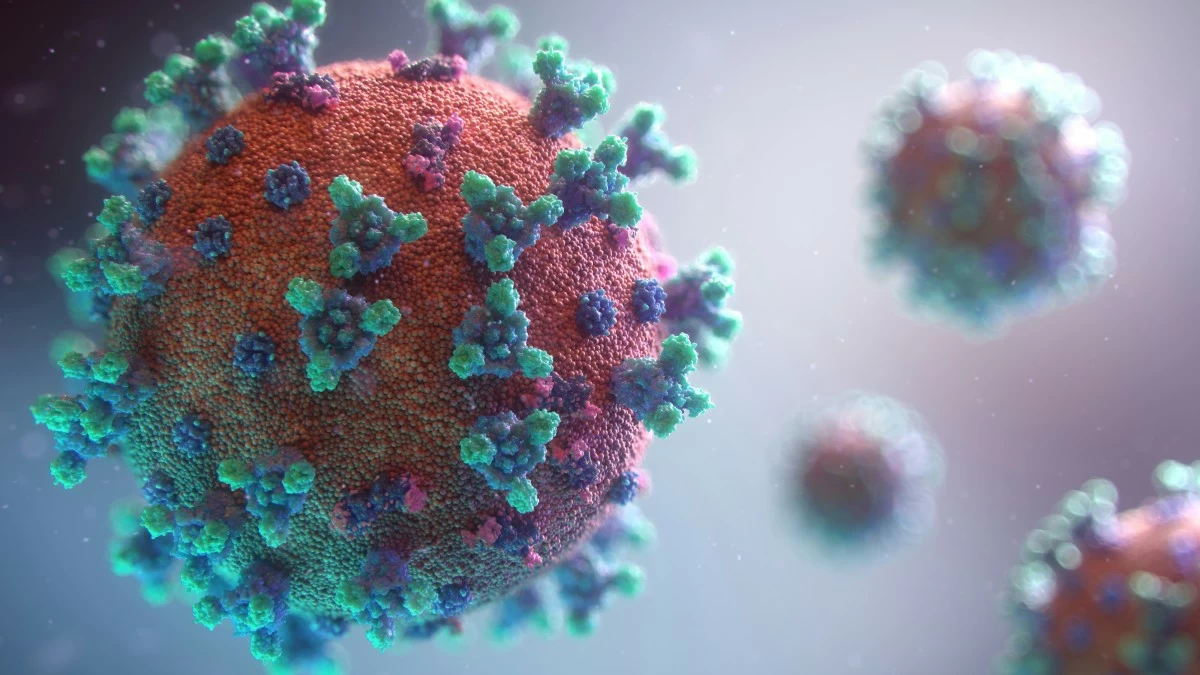
(Unsplash)
With the Covid-19 pandemic still fresh in the minds of Filipinos, Leyte 1st district Rep. Martin Romualdez has sought in the 20th Congress the creation of a Philippine Center for Disease Prevention and Control (CDC).
Embodied in House Bill (HB) No.3, the proposal for CDC will serve as the principal agency tasked with developing and implementing communicable disease prevention and control initiatives.
The same measure was filed and deliberated on in the previous 19th Congress, but it didn't prosper into a law.
Joining former House Speaker Romualdez as author of HB No.3 were Tingog Party-list Reps. Jude Acidre and Andrew Julian Romualdez.
In proposing the creation of the CDC, the three lawmakers invoked a provision of the Constitution mandating the state to “protect and promote the right to health of every Filipino and instill health consciousness among them.
They said the Covid-19 pandemic underscored the vital importance of effective disease prevention and control mechanisms and robust public health infrastructure.
“The pandemic revealed the deficiencies in the Philippines’ health system, particularly in the areas of disease surveillance, outbreak response, coordination, and data-driven policy-making,” they said.
The CDC’s other functions include developing strategies, standards, and policies for disease prevention and control; implementing disease surveillance and field epidemiology activities; performing data collection and analytics; establishing and strengthening public health laboratories; setting standards and policies for private laboratories; and recommending actions for public health threats to appropriate national government bodies, among others.
The authors added that to prepare the country for future health threats, “It is imperative to institutionalize reforms that will strengthen our capacity to protect public health.”
They noted that currently, the country lacks a dedicated, centralized agency solely focused on disease prevention and control.
They said that while the Department of Health (DOH) performs this function through various bureaus and offices, these efforts are often fragmented, under-resourced and challenged by institutional constraints.
“The establishment of a specialized institution will allow for more coherent, responsive, and science-based approaches to disease management,” ex-Speaker Romualdez stressed.
Under the bill, the Philippine CDC shall be responsible for controlling the spread of infectious diseases through the adoption of a framework that fosters a whole-of-government, whole-of-system approach and streamlining of science-based decision-making, particularly during public health emergencies.
“Investing in disease prevention and control is both a public health and an economic necessity. Institutionalizing this agency will not only enhance the country’s preparedness for future pandemics, but will also strengthen its capacity to address ongoing health challenges such as tuberculosis, human immunodeficiency virus, dengue and non-communicable diseases,” the authors said.
“Moreover, a centralized body will enable faster response times, more efficient resource utilization, and improved health outcomes for the Filipino people,” they said.