







Review: Toyota Camry 2.5 V HEV
From boardroom to backroad, the Camry learns to stir the soul
Published Jul 5, 2025 09:57 pm


At A Glance
- For the first time in years, the Camry sheds its traditionally upright, conservative styling in favor of something far more dynamic and sensual.
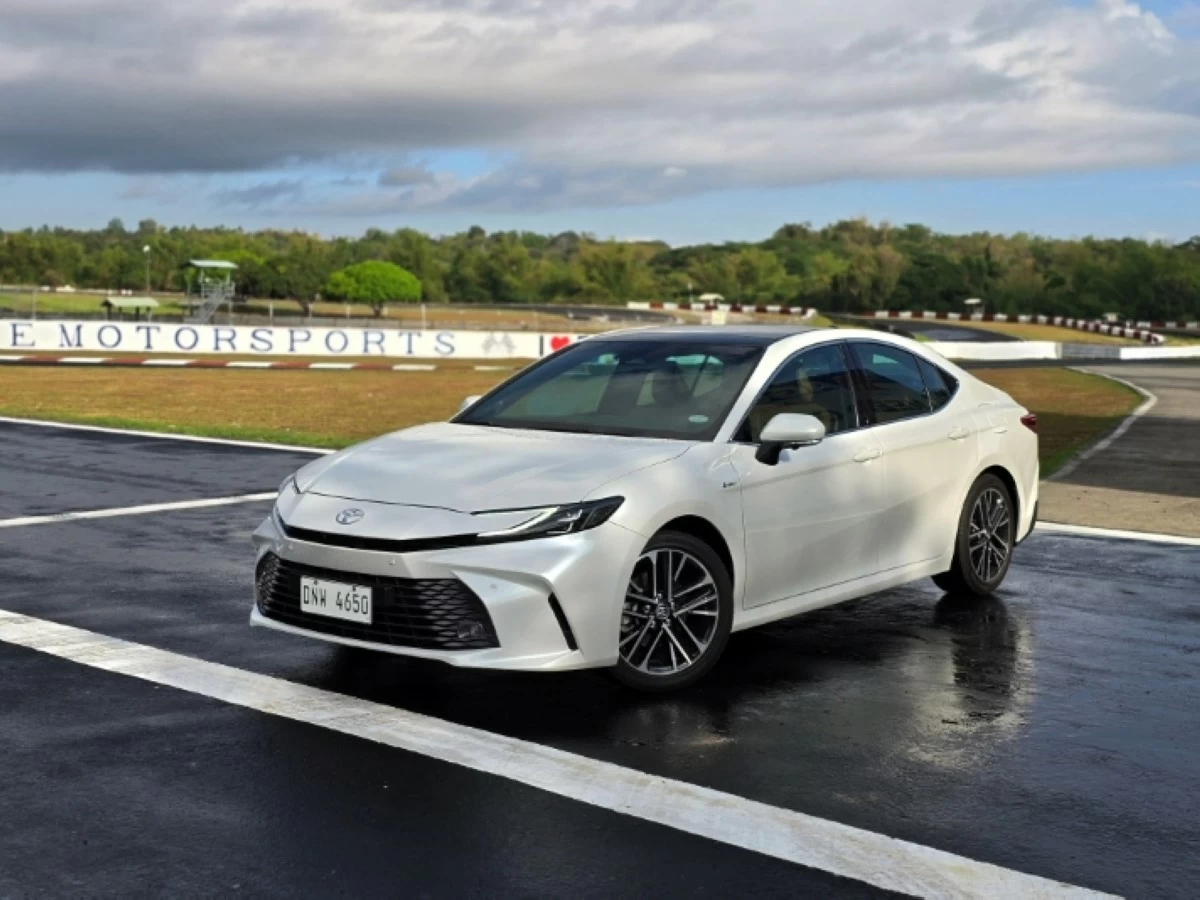
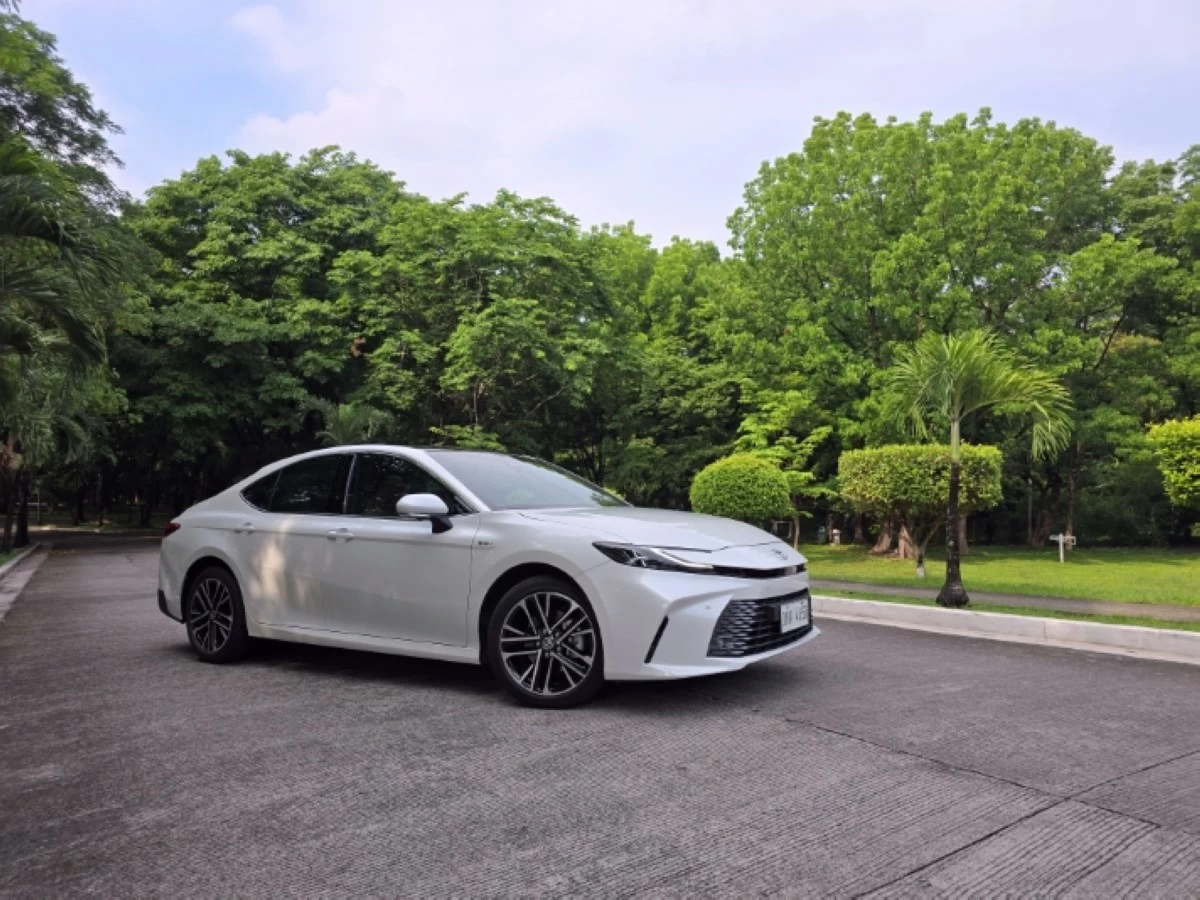
For the first time in years, the Camry sheds its traditionally upright, conservative styling in favor of something far more dynamic and sensual. With better overall body proportions and sculpted surfaces, the new design carries a bolder, more confident tone. It’s a car that finally looks as sharp as it drives, but more than that, it’s the first Camry in recent memory that I just can't get out of my head. There’s something about its proportions and presence that tells me this sleeper sport sedan in an executive suit is going to be a future classic. For once, I don't just respect it; I want it.
The all-new Camry made its Philippine debut at the 2024 Philippine International Motor Show, unveiled on Toyota's outdoor stage amid the peak of typhoon season. Inclement weather and localized flooding dampened foot traffic and overall visibility, resulting in a quieter-than-usual launch for such a major nameplate. Still, the ninth-generation model marked a decisive shift in Toyota’s midsize sedan strategy, even if the weather quite literally rained on its parade. Offered exclusively as a full-hybrid in a single 2.5 V HEV trim, it ditches its petrol-only predecessors in favor of the brand’s latest Hammerhead design and fifth-generation hybrid system. It’s a deliberate move toward a cleaner, more sophisticated take on the executive sedan.
Design and aesthetics
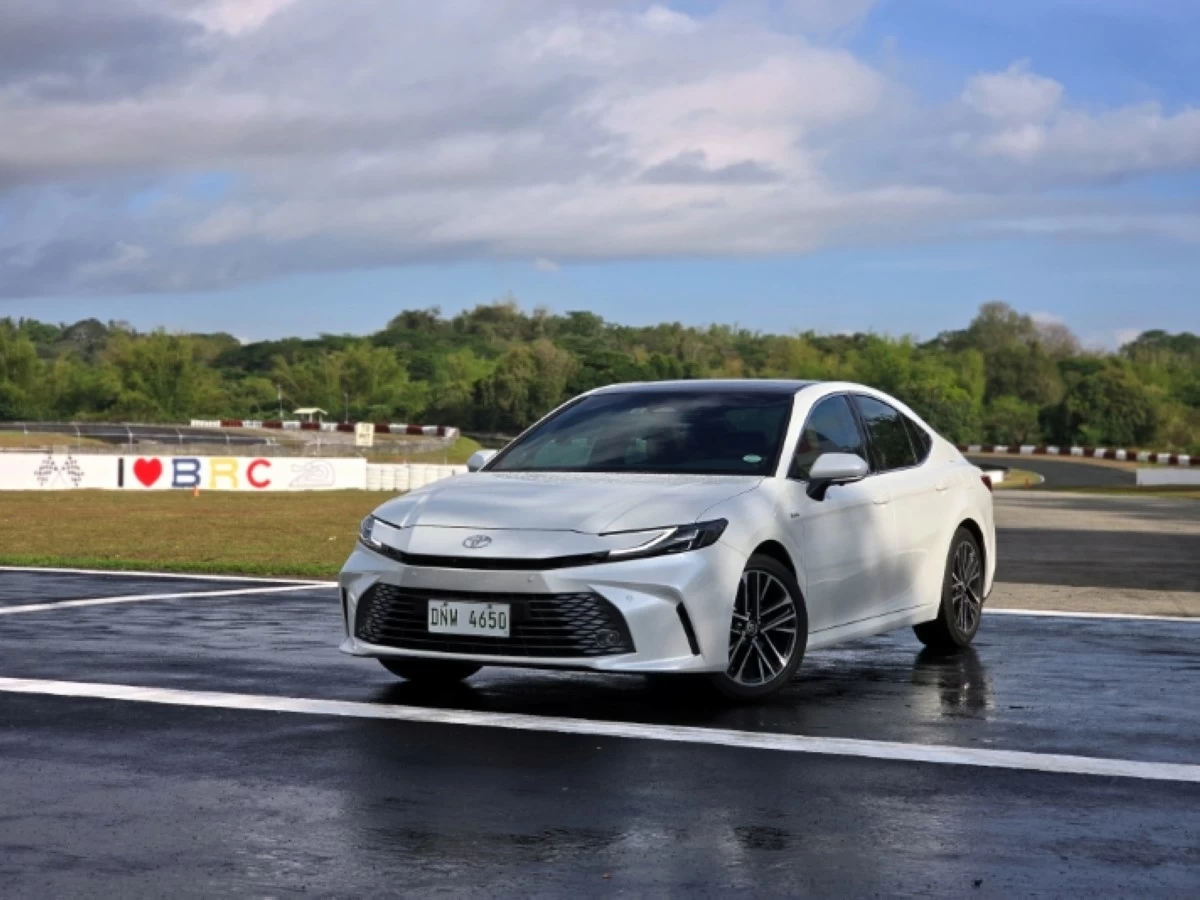
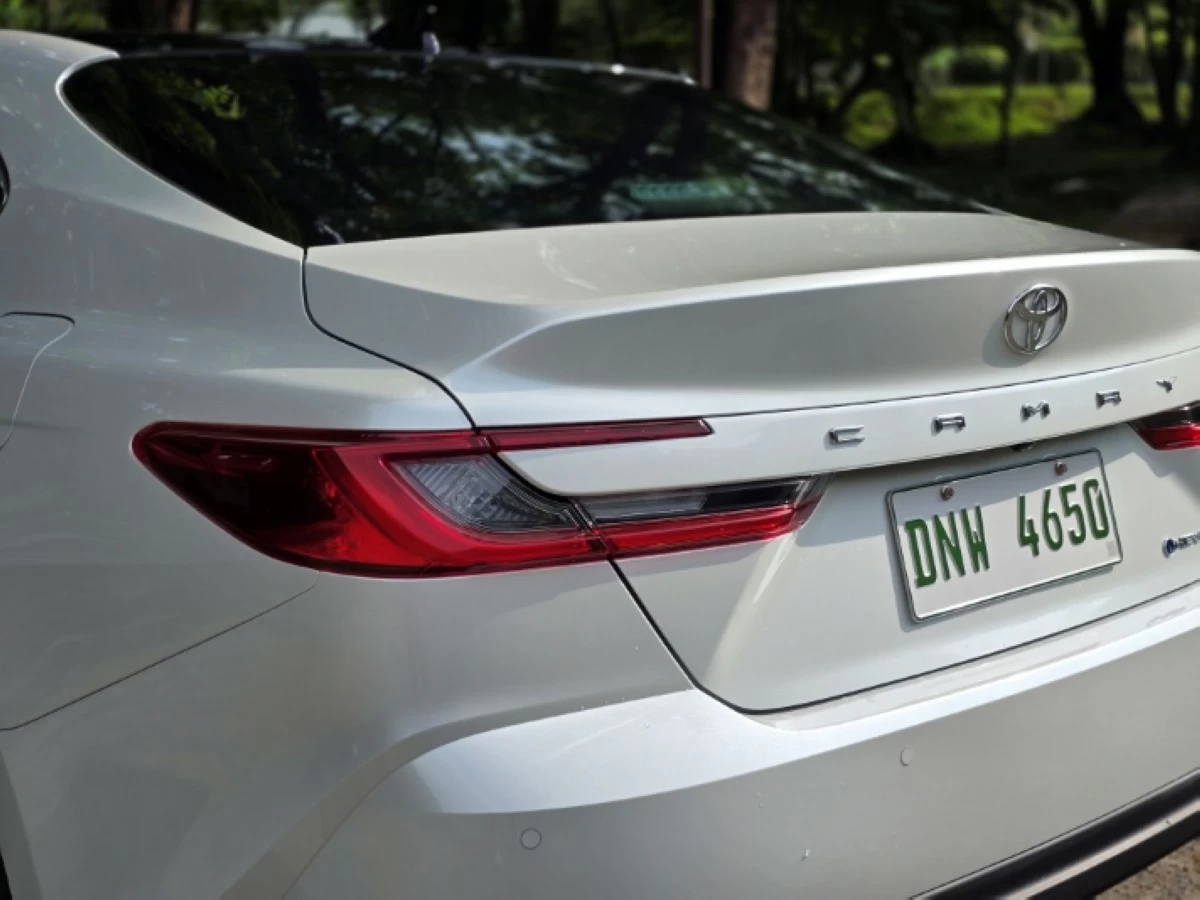
Visually, the 2025 Camry 2.5 V HEV makes a striking impression. It’s remarkable how a handful of precise design revisions resulted in such a dramatic departure from its conservatively penned predecessors. The most arresting change is up front, where Toyota’s new Hammerhead design takes center stage, led by a shark-nose grille and angular LED headlamps with integrated DRLs. The low, wide posture is accentuated by a reprofiled bumper and strong shoulder lines, while the rear design is cleaner and punctuated by full-width LED taillights. The design is tight all around, with nothing in excess and nothing missing.
Sitting on 18-inch alloy wheels and measuring close to 5 meters long, the Camry maintains its executive presence. The styling draws clear links to Toyota's current hybrid family, particularly the new Prius and Crown, both of which ooze copious amounts of sex appeal.
Performance and handling
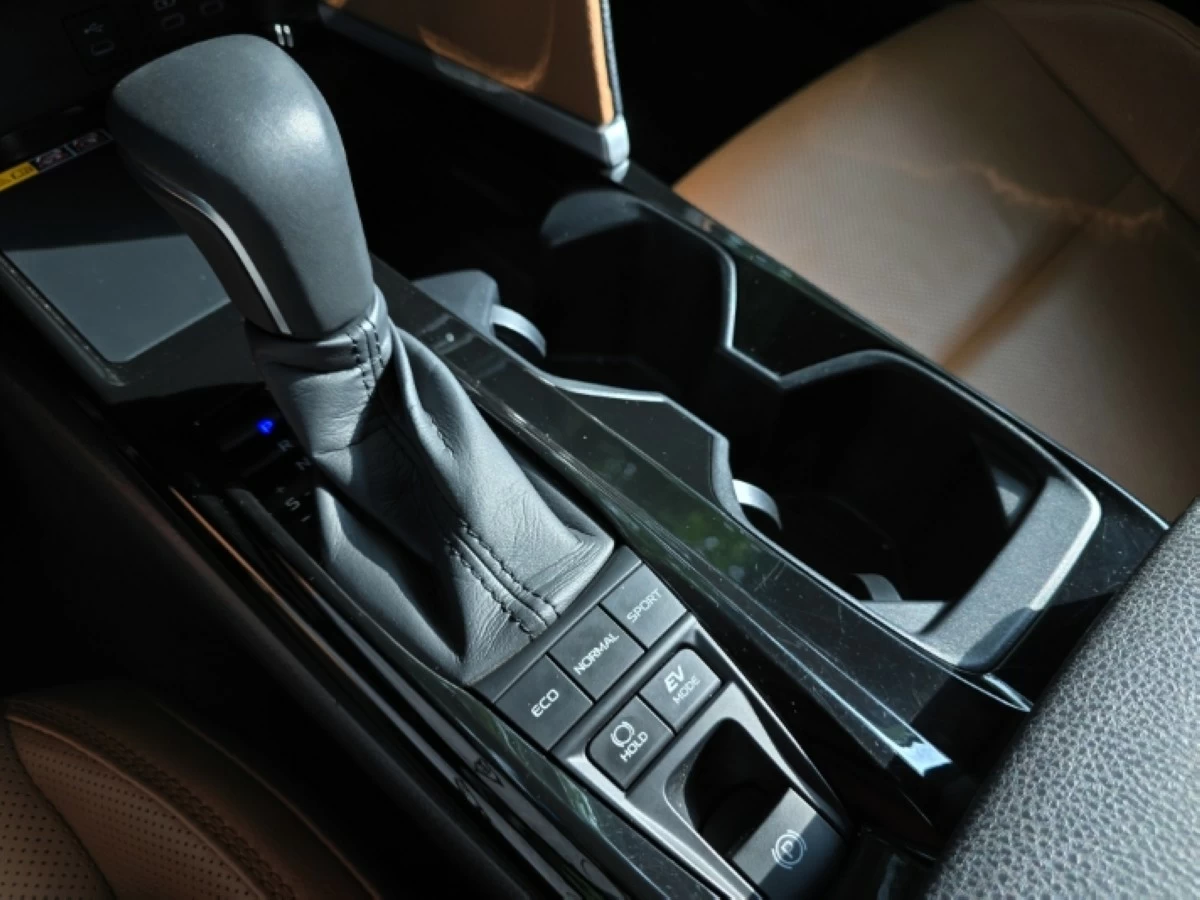
Under the bonnet is the familiar A25A-FXS 2.5-liter Atkinson-cycle inline-four paired with a compact electric motor and a lithium-ion battery. Together, the hybrid system delivers a combined output of 230 PS and 227 Nm, channeled to the front wheels via an e-CVT. The fifth-generation hybrid setup is more compact and efficient than before, offering better power-to-weight distribution and smoother transitions between electric and petrol modes.
Over the course of seven days, the Camry treated me to two distinct personalities: the serene, near-silent glide of electric-only city driving, and the unexpected, guttural growl of the petrol engine and its immediacy when I leaned into the throttle. It’s a contrast that made every drive feel rewarding in its own way.
Power delivery is linear in Eco mode and more responsive and engaging in Sport. Thanks to improved electric motor control and revised throttle mapping, the car feels much more eager than the output numbers suggest.
Technology and features
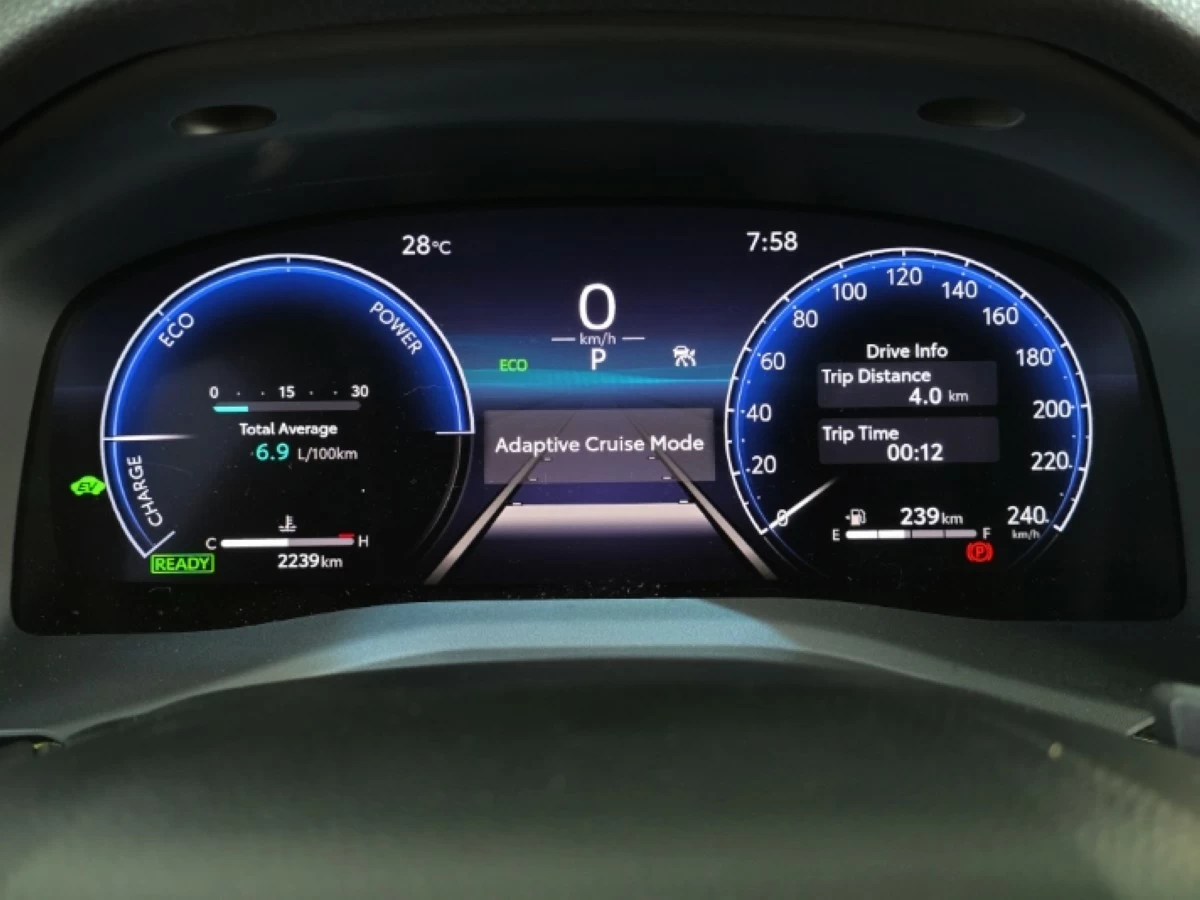
Toyota’s emphasis on tech is evident inside the cabin. The Camry 2.5 V HEV is equipped with a 12.3-inch digital instrument cluster paired with a 12.3-inch infotainment touchscreen supporting wireless Apple CarPlay and Android Auto. A nine-speaker JBL audio system enhances the cabin’s premium feel, while creature comforts include tri-zone climate control, a wireless charging pad, and a suite of features that elevate the Camry’s executive credentials.
The rear cabin experience is especially indulgent. Passengers are treated to a deep and plush seat base with generous recline, a fold-down armrest with digital controls for the audio and climate systems, manual sunshades for both side windows, and a power rear sunshade that automatically retracts when reversing. A sunroof overhead completes the package, adding both light and a sense of space. Together, these features make the Camry feel more in line with luxury offerings from the segment above.
Other features include a power tilt/telescopic steering wheel, electrochromic rearview mirror, ambient lighting, and ventilated front seats with memory settings. NVH levels are impressively low, helped by acoustic windshield glass and improved insulation throughout the cabin.
Comfort and practicality
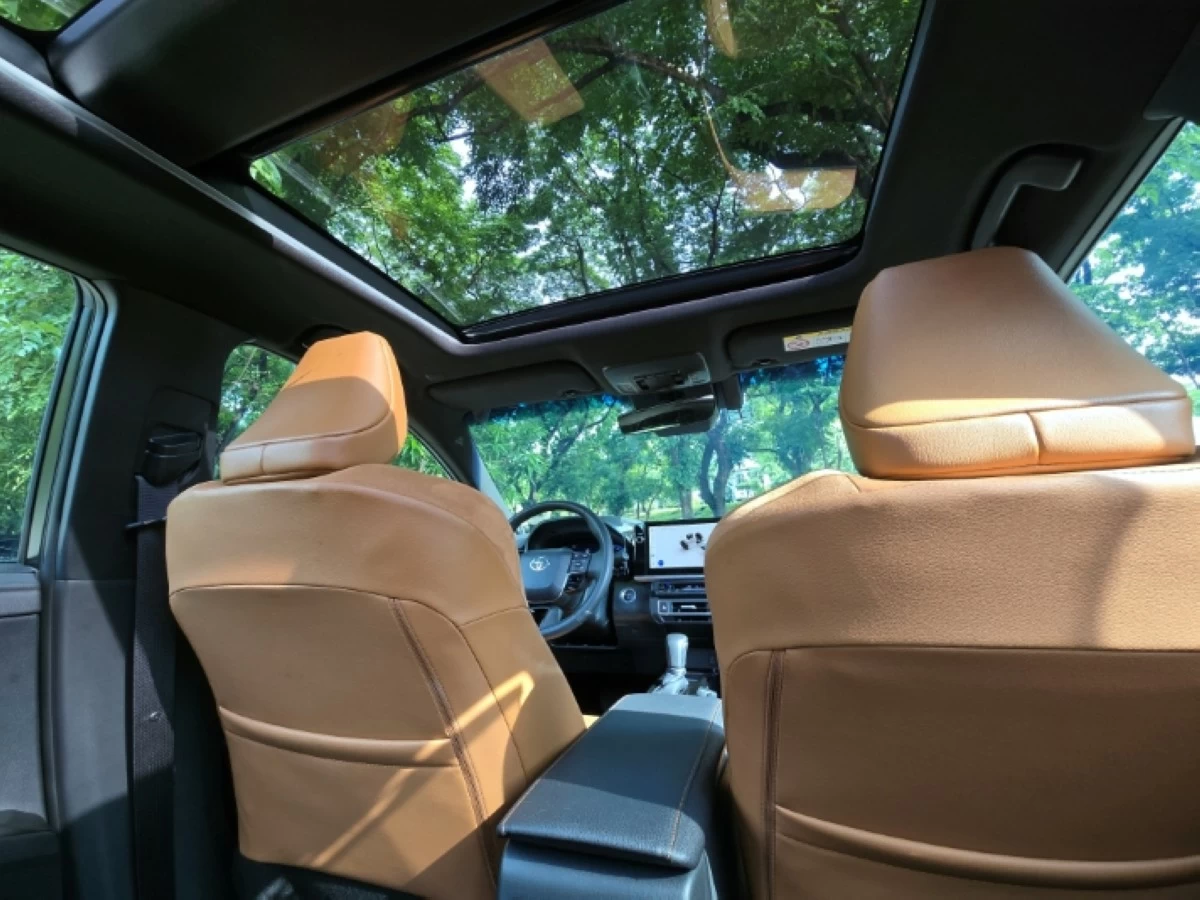
True to its executive nature, the Camry places a strong emphasis on passenger comfort. Rear seat space is excellent, aided by the long wheelbase. Despite the addition of a lithium-ion battery under the rear seat, boot space remains respectable at 436 liters. The rear seats are 60:40 split-folding, offering added flexibility.
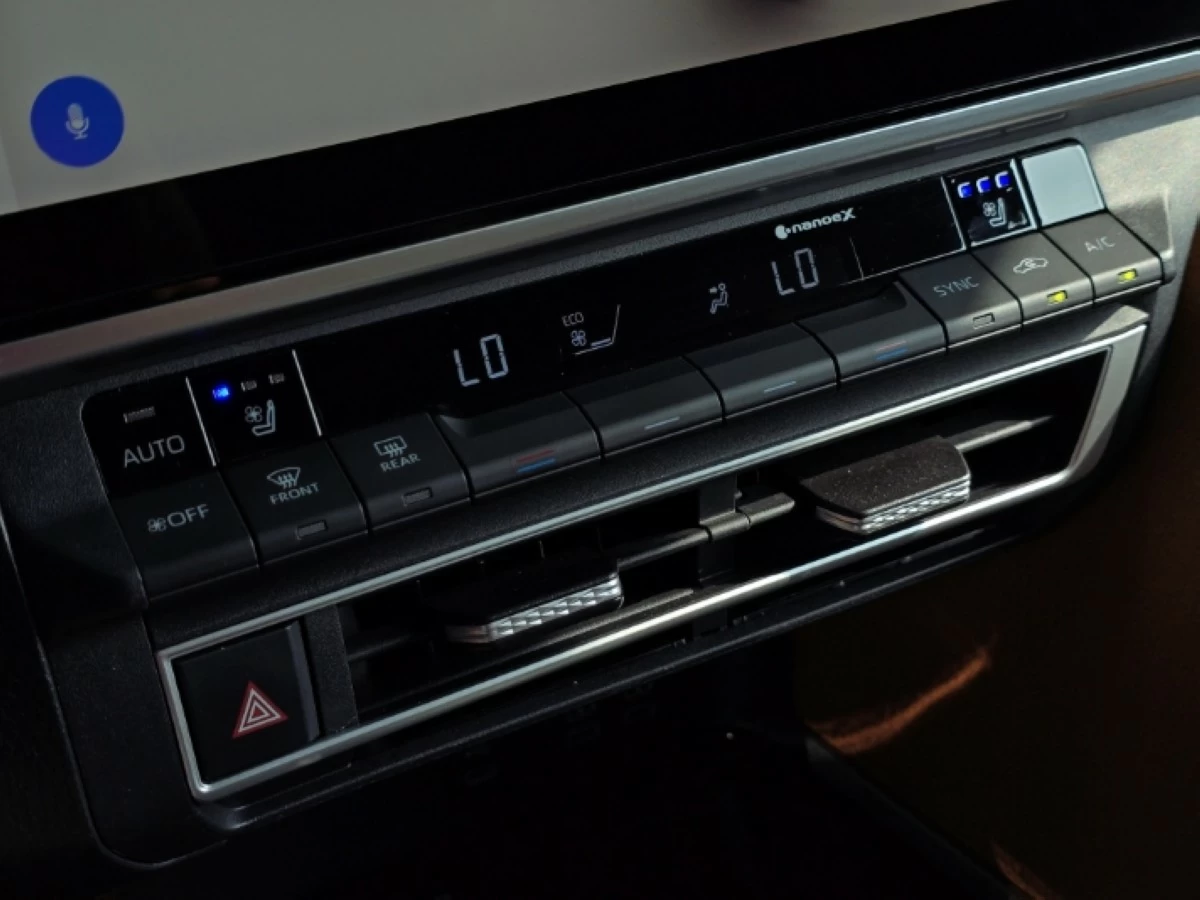
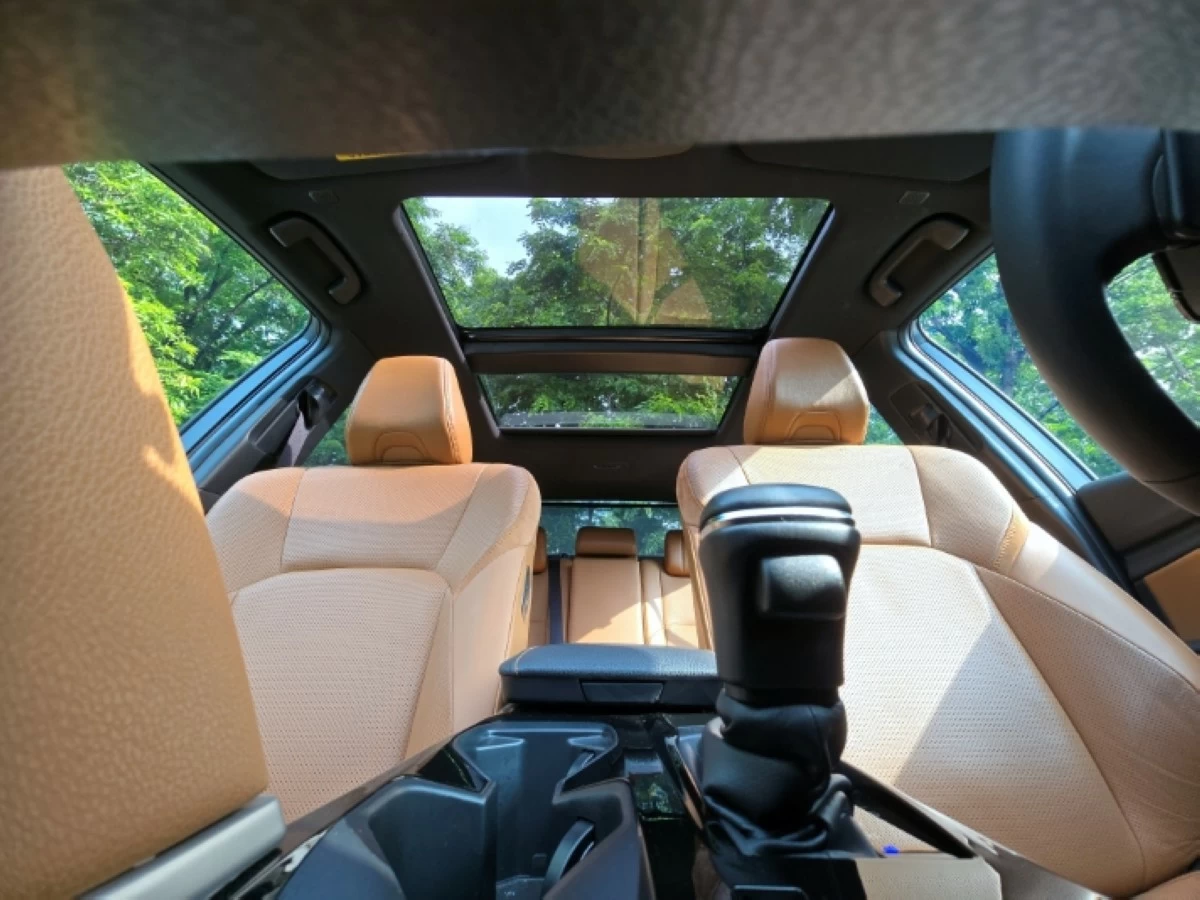
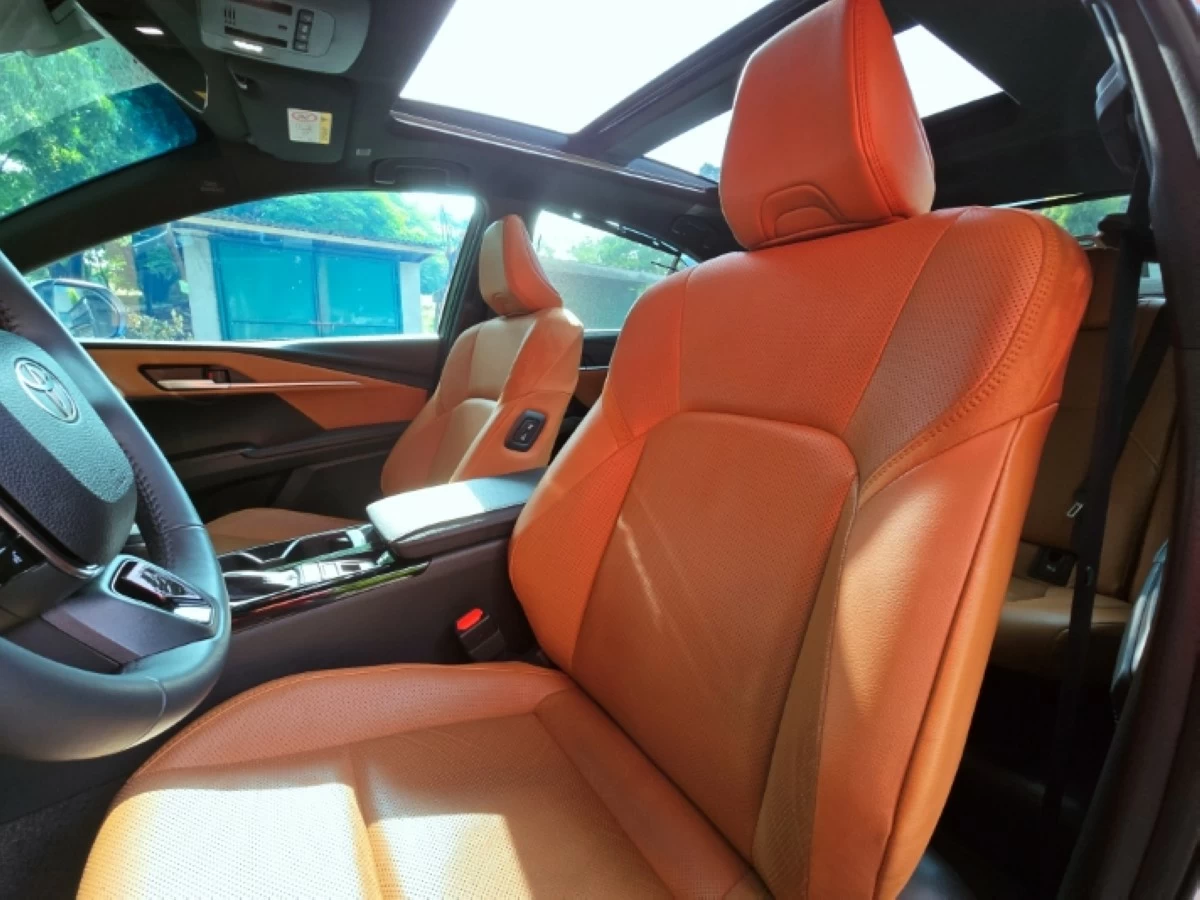
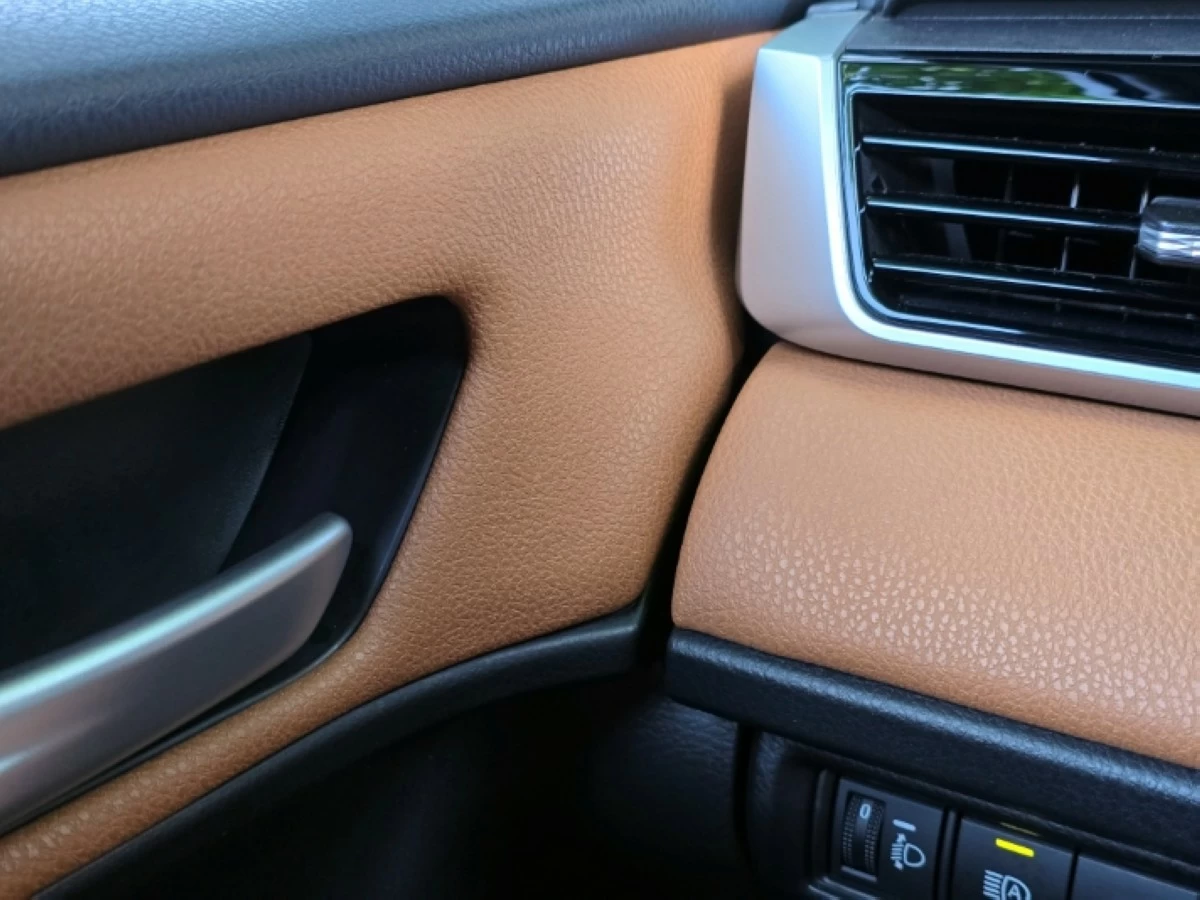
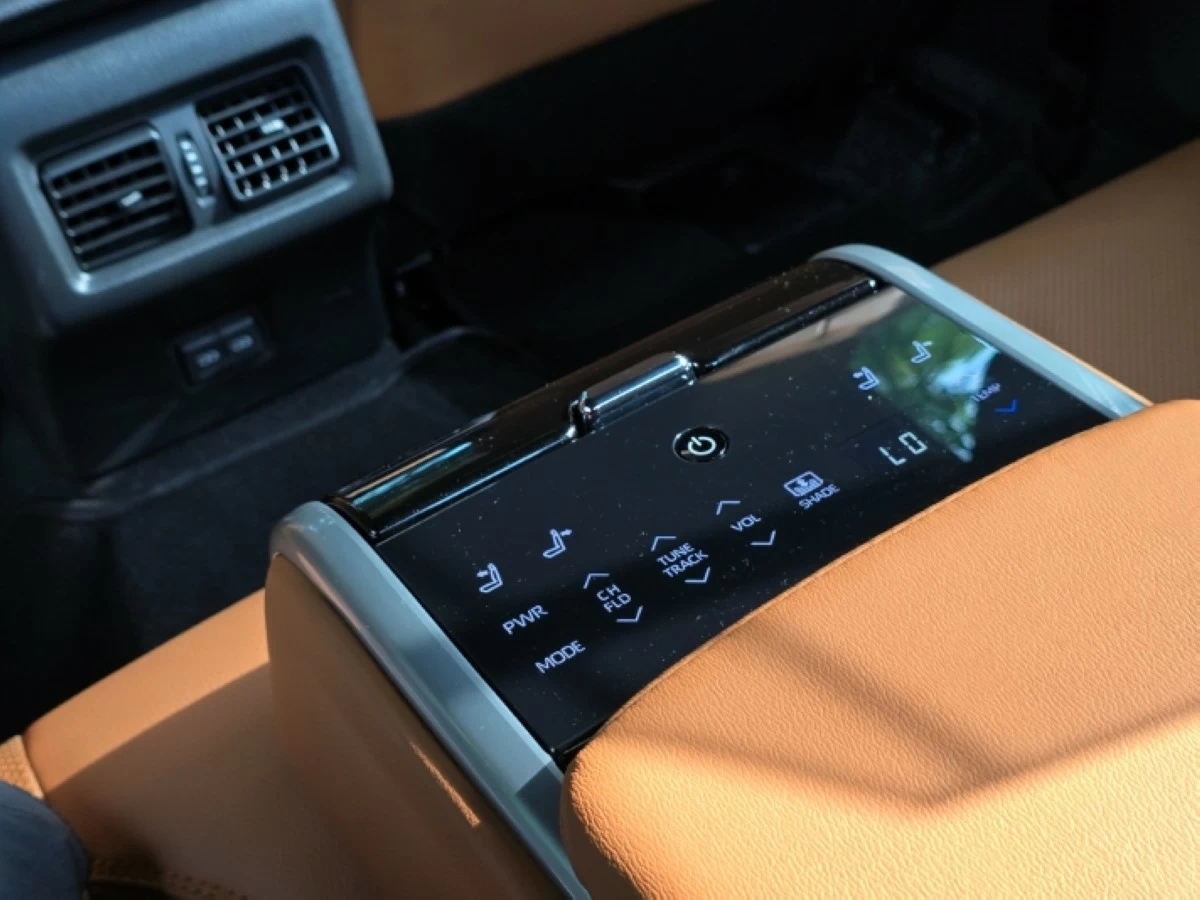
Ingress and egress are easy, and the low beltline and large glass area provide excellent outward visibility. The driver’s seat offers 8-way power adjustment, while the rear occupants benefit from powered recline and their own set of air vents.
Fuel efficiency and environmental impact
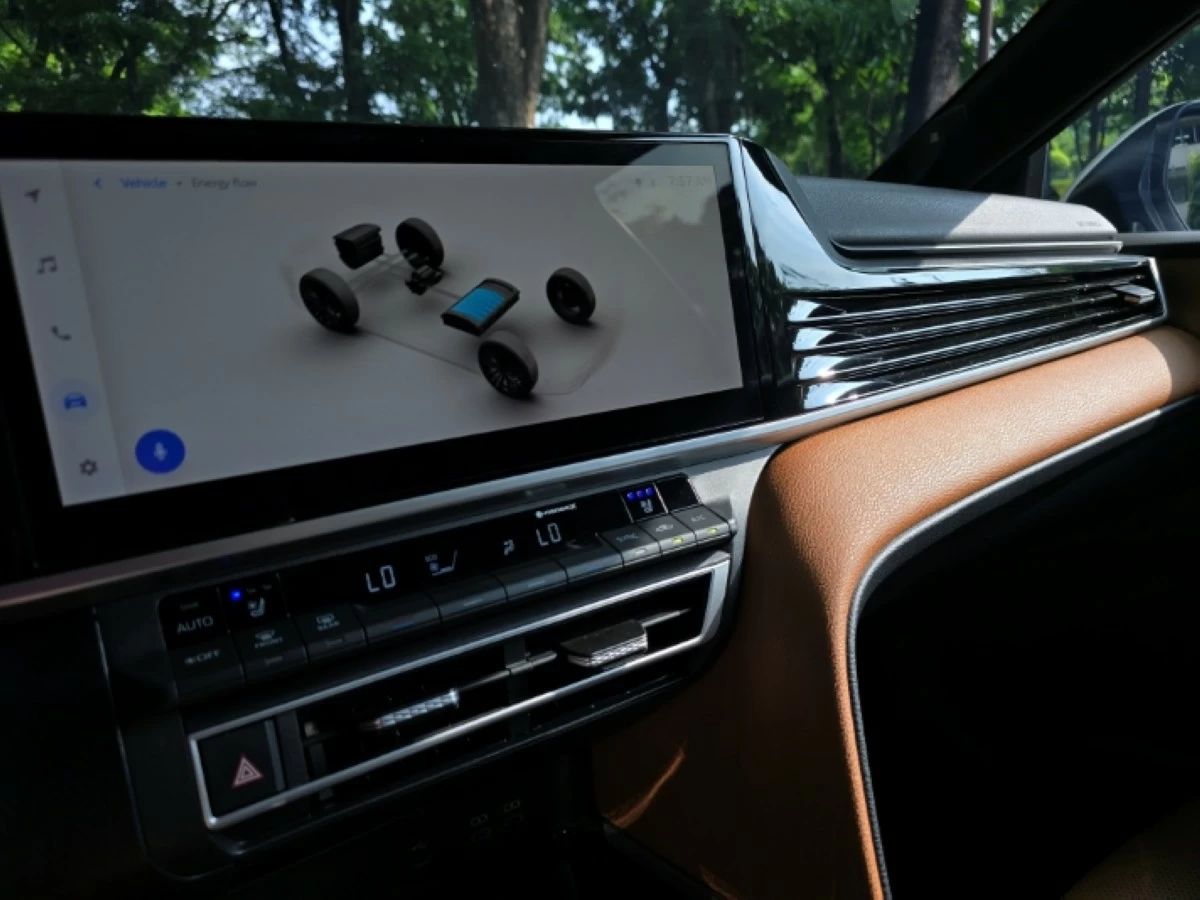
The shift to a full hybrid lineup plays directly into Toyota’s global carbon neutrality goals. The Camry’s fifth-generation hybrid system prioritizes thermal efficiency and regenerative energy recovery. The use of a more modern lithium-ion battery allows for better charge/discharge cycles and reduced weight, making the system more responsive and efficient whenever I was just cruising around. Toyota also offers an 8-year warranty on their hybrid battery, showing the company’s confidence in their new tech.
Real-world ASEAN tests report a consistent 20 to 23 km/L range depending on conditions. I, however, will be honest enough to say that I was enjoying the car's power and performance too much. Nevertheless, I was still netting around 16 km/L even with my lead foot.
Verdict
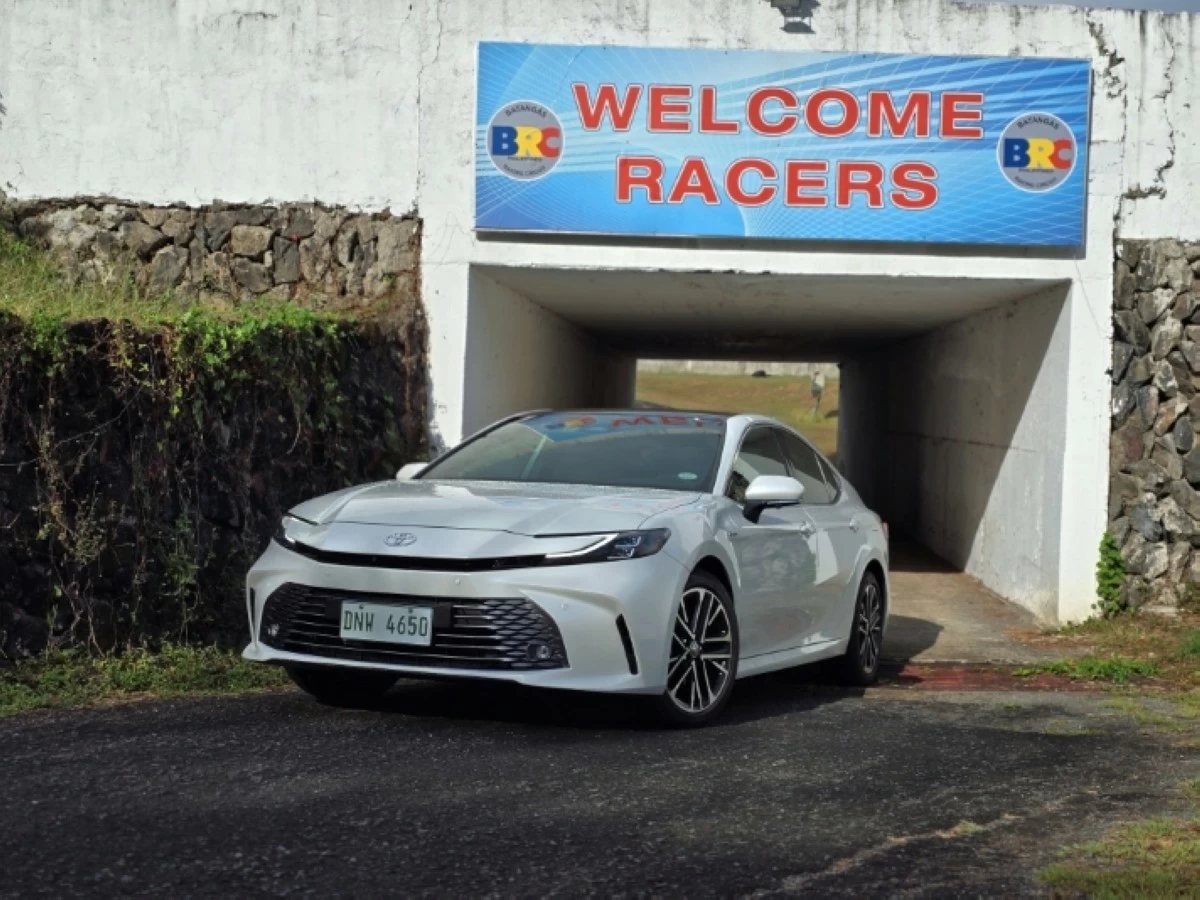
I want one. Badly. There, I said it.
With the 2025 Camry 2.5 V HEV, Toyota has effectively future-proofed its midsize sedan offering in the Philippines. By combining a bold new design language, modern hybrid technology, and an executive-grade interior, the Camry delivers a compelling package for urban professionals and soulful drivers alike. The new design itself has probably won the Camry a whole new (younger) demographic at this point. While the ₱2.657 million price tag positions it firmly in the premium bracket, the features, efficiency, and brand cachet more than justify the investment.
It may no longer appeal to traditional petrolheads, but in the context of rising fuel prices and increasing environmental awareness, the Camry 2.5V HEV represents a logical, sexy, and stylish evolution of the executive sedan.