






Manila Bulletin
 Philippines
Metro Manila
Mayor Isko unveils bold 10-year vision to 'Make Manila Great Again'
Philippines
Metro Manila
Mayor Isko unveils bold 10-year vision to 'Make Manila Great Again'
Philippines
Metro Manila
Mayor Isko unveils bold 10-year vision to 'Make Manila Great Again'
Mayor Isko unveils bold 10-year vision to 'Make Manila Great Again'
Published Jul 1, 2025 04:58 pm


At A Glance
- In his first SOCA, Domagoso bared the reforms that he plans to institute on clean governance, city renewal, and citizen-centered services.
In a nearly two-hour State of the City Address (SOCA), Manila Mayor Francisco Isko Moreno Domagoso delivered a 10-year development blueprint that aims to Make Manila Great Again.
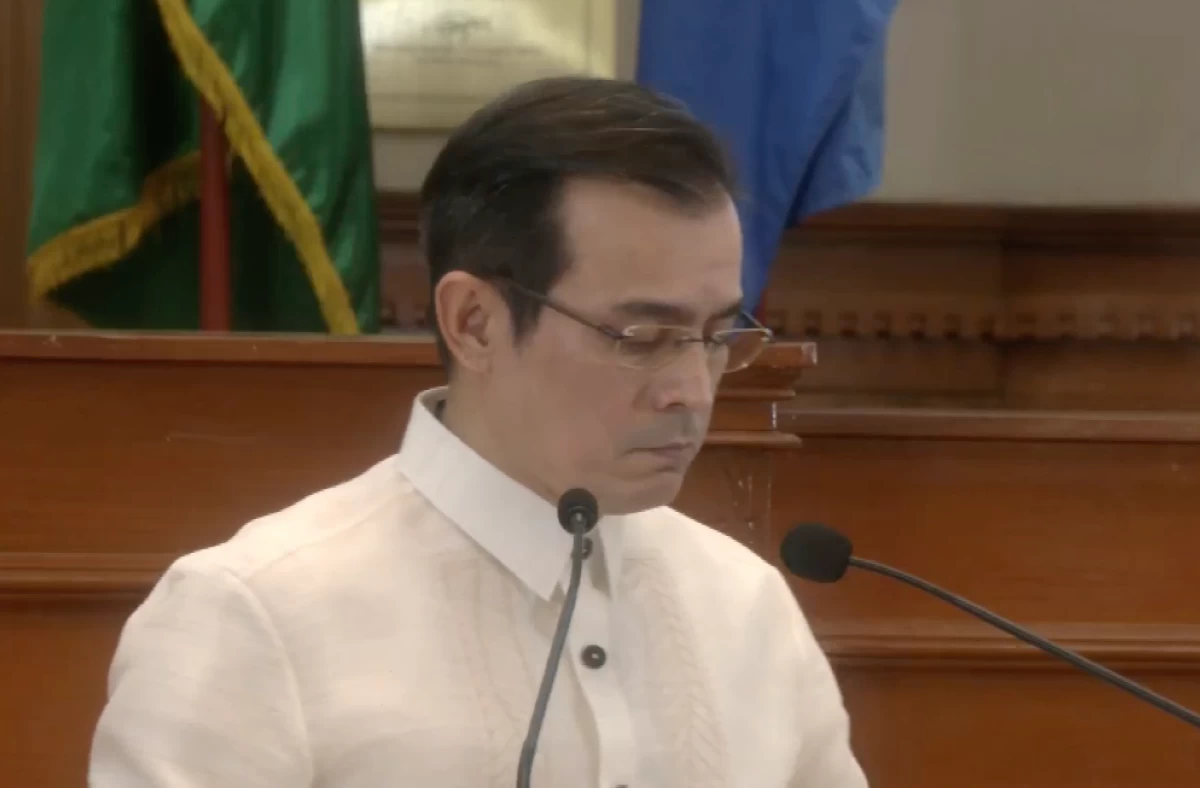
Manila Mayor Francisco "Isko Moreno" Domagoso
Speaking before the Sangguniang Panglungsod and a crowd of city employees, guests, and residents at the session hall inside the Manila City Hall, the mayor emphasized the need for street-level governance, financial transparency, and efficient public service, while cautiously correcting misinformation about the city’s fiscal standing and administrative operations.
‘We Begin in the Streets’
“Why do we believe we can make Manila great again? Because we have every reason to believe we can. Opo, kayang-kaya po natin ito. Alam ko po iyon (Yes, we can do this. I know this for sure),” Domagoso declared, reaffirming his commitment to uplifting the state of the capital city.
Central to his vision is a grassroots, back-to-basics approach he calls “Street Smart Governance.
The strategy puts daily realities like cleanliness, traffic flow, public safety, and community discipline—on top of the agenda.
“We begin in the streets,” he said.
“Garbage must be collected. Crimes must be stopped. Potholes must be filled. Dark streets must be lighted. These are doable, immediate, and urgent.”
He emphasized that true reform starts at the level most visible to residents: the barangays and main thoroughfares of the city.
City of Heritage, Talent, and Opportunity
Domagoso highlighted Manila’s irreplaceable position in the nation as the political, cultural, educational, and economic capital.
From its role in global trade through its ports, to its cluster of national hospitals and top universities, the mayor called on Manileños to take pride in the city’s identity and to harness these strengths for growth.
He proudly declared that Manila remains the nation’s cultural hub, faith center, and historical heart from Intramuros and Luneta to Quiapo and Binondo.
Restoring Order and Efficiency in City Hall
While steering clear of direct attacks, Mayor Isko addressed lingering issues about government processes and fiscal accountability.
“Hindi lang po kalye ang lilinisin natin. Lilinisin din po natin ang City Hall (We will not only clean up the streets, we will also clean up City Hall).”
He pointed to previous adjustments in the permitting system that led to delays, lost revenue, and business exits from the city.
“We’re returning the authority to the Bureau of Permits and reinstating our e-BOSS system,” he announced, referring to the Electronic Business One-Stop Shop, which simplifies and speeds up permit processing.
Fiscal Reality Check: Setting the Record Straight
Mayor Isko clarified that the city’s fiscal standing has been misrepresented, emphasizing the need to realign priorities. He revealed a gap of P4.65 billion between budgeted and actual revenues last year, leading to stalled services and unpaid obligations.
“We have been living in the fairytale of fiscal solvency,” (Tayo po ay nabuhay sa alamat ng sapat na pananalapi).”
He also noted that the city faces P10.2 billion in payables, including delayed social benefits for senior citizens, medicine supply for health centers, and unpaid contributions to the GSIS.
“Hindi po ito pera ng mayor. Ito po ay pera ng empleyado. Pera ng taongbayan (This is not the mayor’s money. This is the people’s money. The money of city workers).
To address this, he introduced Task Force PACS (Fiscal Accountability, Cost Transparency, and Spending), aimed at enforcing honest accounting and sustainable spending practices.
While his SOCA covered a wide range of challenges, its tone remained hopeful.
Domagoso made clear that Manila has all the assets, resilience, and spirit it needs to thrive again.
His administration, he said, is committed to crafting and executing short, medium, and long-term development plans that will span the next 10 years with the streets as the starting point and the people as the priority.
“As Manila rises, so does the nation.”