







Moral leadership (Part 2)
Published Jun 30, 2025 12:05 am
|
Updated Jun 29, 2025 04:45 pm


PEACE BY PEACE
In my previous column, I shared my learnings from Dr. Albert Pierce, the founding director of the Center for the Study of Professional Military Ethics at US Naval Academy, when I spoke with him at the National Defense University in Washington, DC in 2006.
During my discussions with Dr. Pierce, he shared that his Moral Leadership Theory is anchored on four main qualities that individuals must develop to become capable leaders: moral awareness, moral reasoning, moral courage and moral effectiveness.
Based on these key principles, I also learned that leaders must undergo a transformative process that must occur within the four key domains they operate in: the personal domain, interpersonal domain, organizational domain, and societal and global domain.
According to Dr. Pierce, it is in the personal domain where we gain self-mastery and development. The second is the interpersonal domain where we develop social awareness and social capital.
The third is the organizational domain where we create the conditions for good governance, among organizations, while the fourth is the societal and global domain where we strengthen justice, peace and prosperity to benefit the common good and humanity.
These are the core leadership principles I emphasized in my remarks during the two-day Onboarding Program for Bangsamoro Newly Elected Local Officials (BNEO 2025) held last June 25.
During the delivery of OPAPRU’s Message of Support, I enjoined the newly elected Bangsamoro officials – provincial governors, city and municipal mayors – to uphold the principles of moral governance at all times, putting the common good before personal interest. Moral and transformative leadership places more value on individuals' integrity and ethical conduct.
I also posed a serious challenge to the newly elected Bangsamoro local executives for them to make things better in their respective communities, improve the lives of their people, and make their constituents happy.
As leaders, we are constantly faced with situations wherein we have to make difficult and complex decisions that will have a significant impact on the lives of the individuals, communities and organizations we serve.
As such, we must base our decisions not solely on the targets or outcomes we wish to achieve but most importantly, on how our actions will promote the greater good and inspire others to follow what is the right and moral thing to do.
During these difficult and uncertain times, leaders must step up to the plate and demonstrate the kind of moral leadership that will help break down the walls of corruption and desire for power and build foundations of genuine care and pure intentions to help others and our nation to grow.
In his inaugural address, President Ferdinand R. Marcos, Jr. said: “We all want peace in our land. You and your children want a good chance at a better life; in a safer, more prosperous country. All that is within reach of a hardworking, warm, and giving race. Your dreams are mine; pangarap niyo ay pangarap ko.”
This is the essence of moral leadership. When all is said and done, we will be held accountable for what we have accomplished as public servants. Ultimately, we will all be asked: What we have done as public servants?
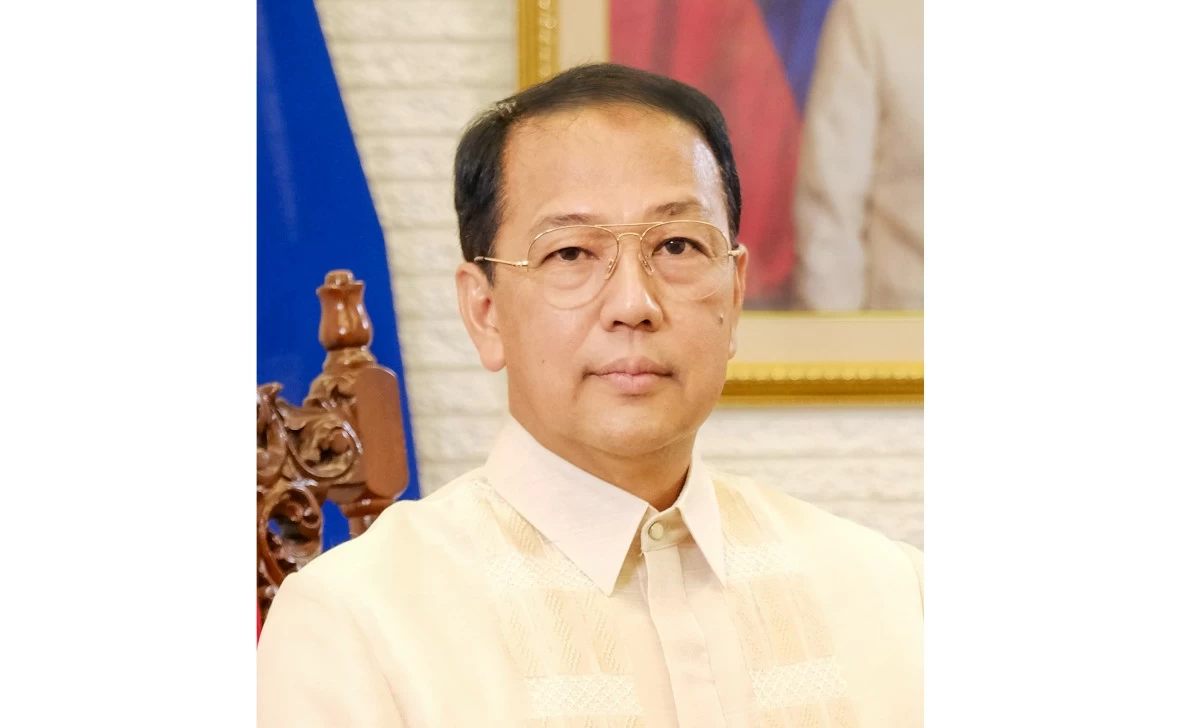
(Secretary Carlito G. Galvez, Jr., is the presidential adviser on peace, reconciliation and unity.)