






Manila Bulletin
 Lifestyle
Fashion and Beauty
How DOST and the local perfume industry are working together to reclaim the fragrance scene
Lifestyle
Fashion and Beauty
How DOST and the local perfume industry are working together to reclaim the fragrance scene
Lifestyle
Fashion and Beauty
How DOST and the local perfume industry are working together to reclaim the fragrance scene
How DOST and the local perfume industry are working together to reclaim the fragrance scene
A symphony of scents
Published Jun 30, 2025 04:42 pm


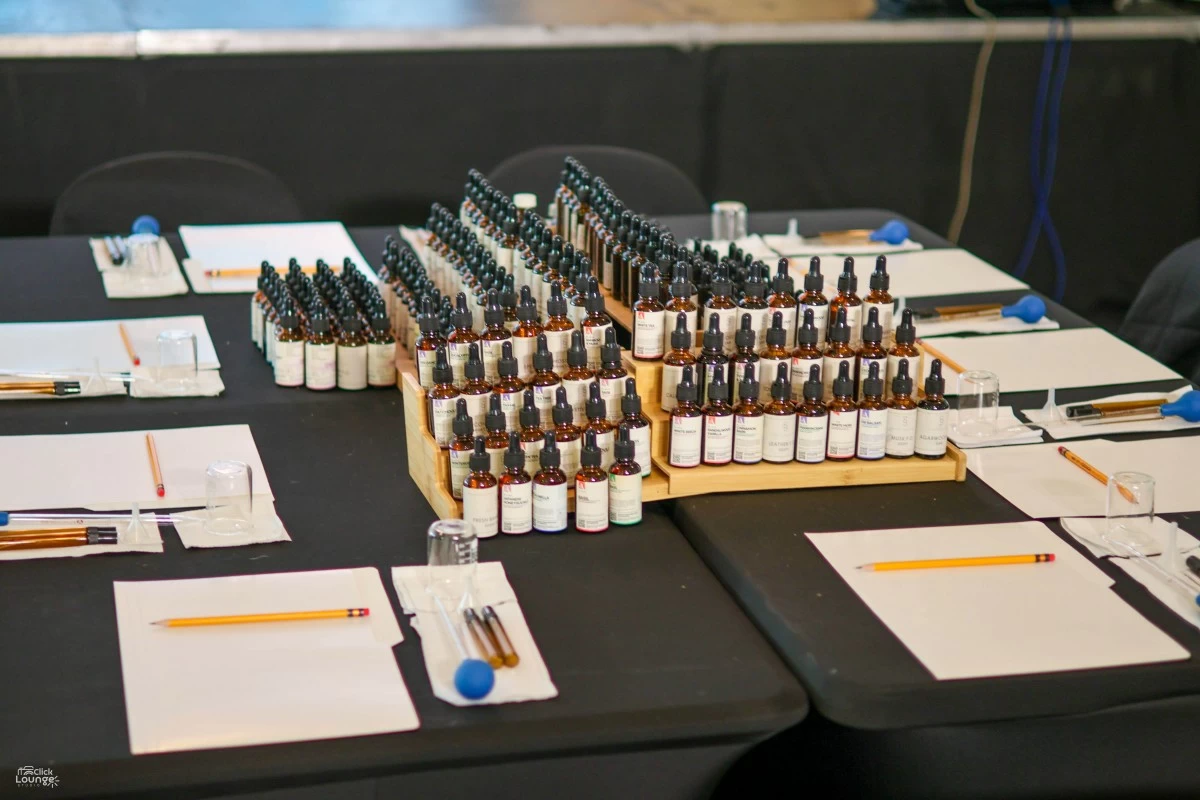
Gone are the days when the perfume shelves in the Philippines were dominated by imported names. A fragrant revolution is underway, and it's being led by a new generation of Filipino perfumers and scent enthusiasts who are bottling the scent of home—one local ingredient at a time.
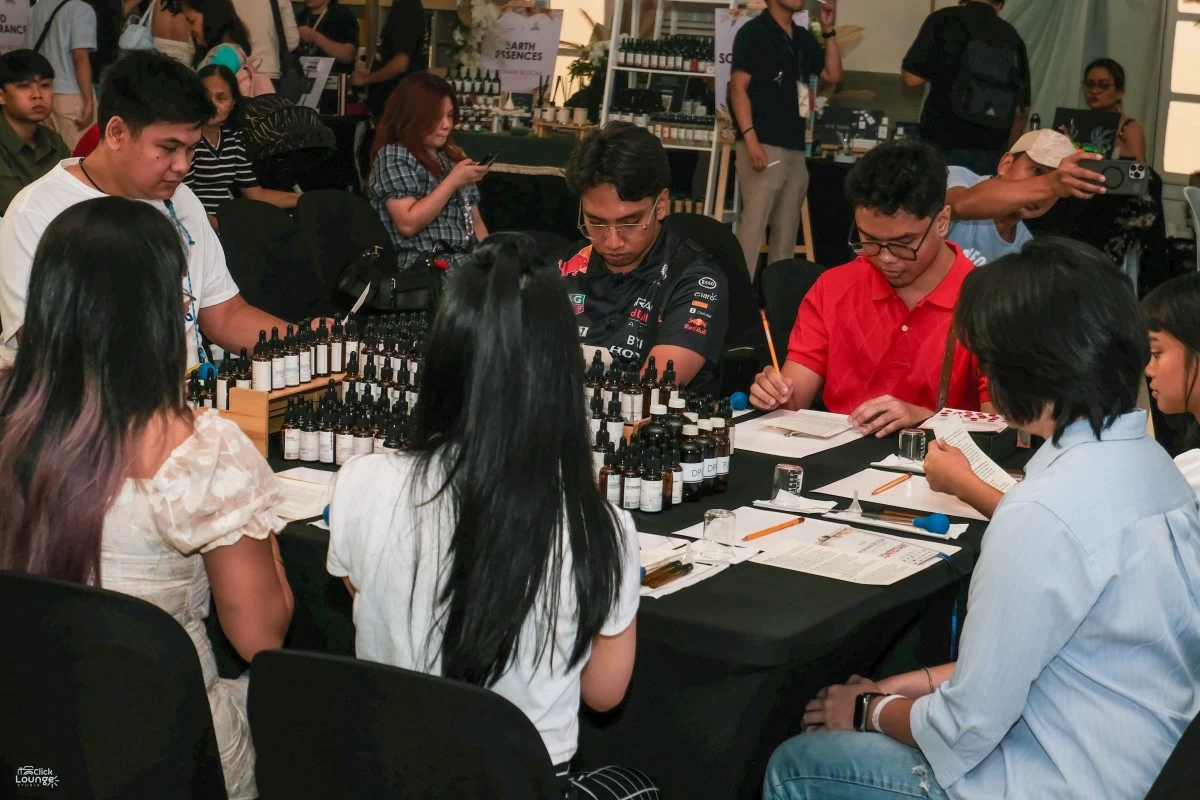
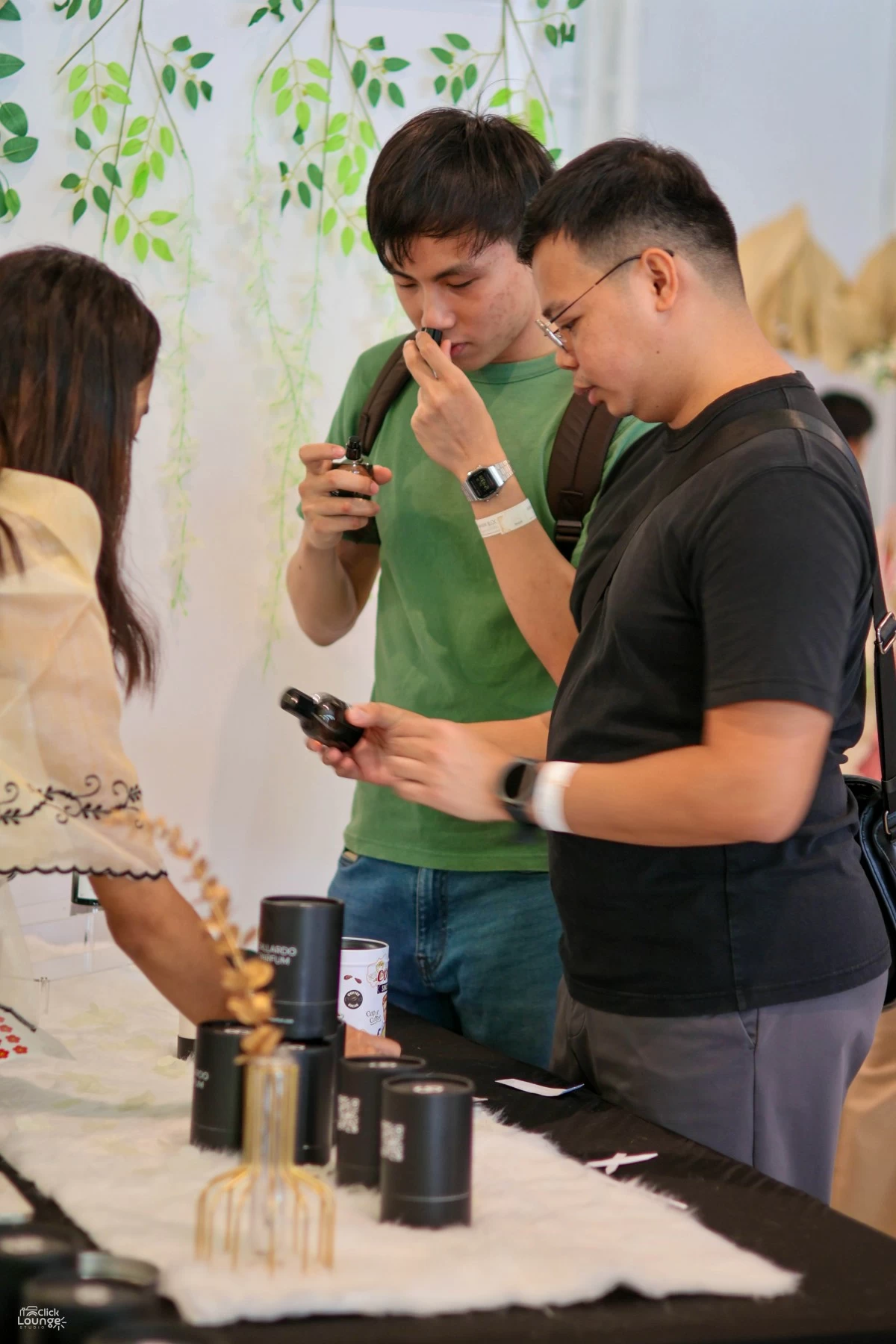
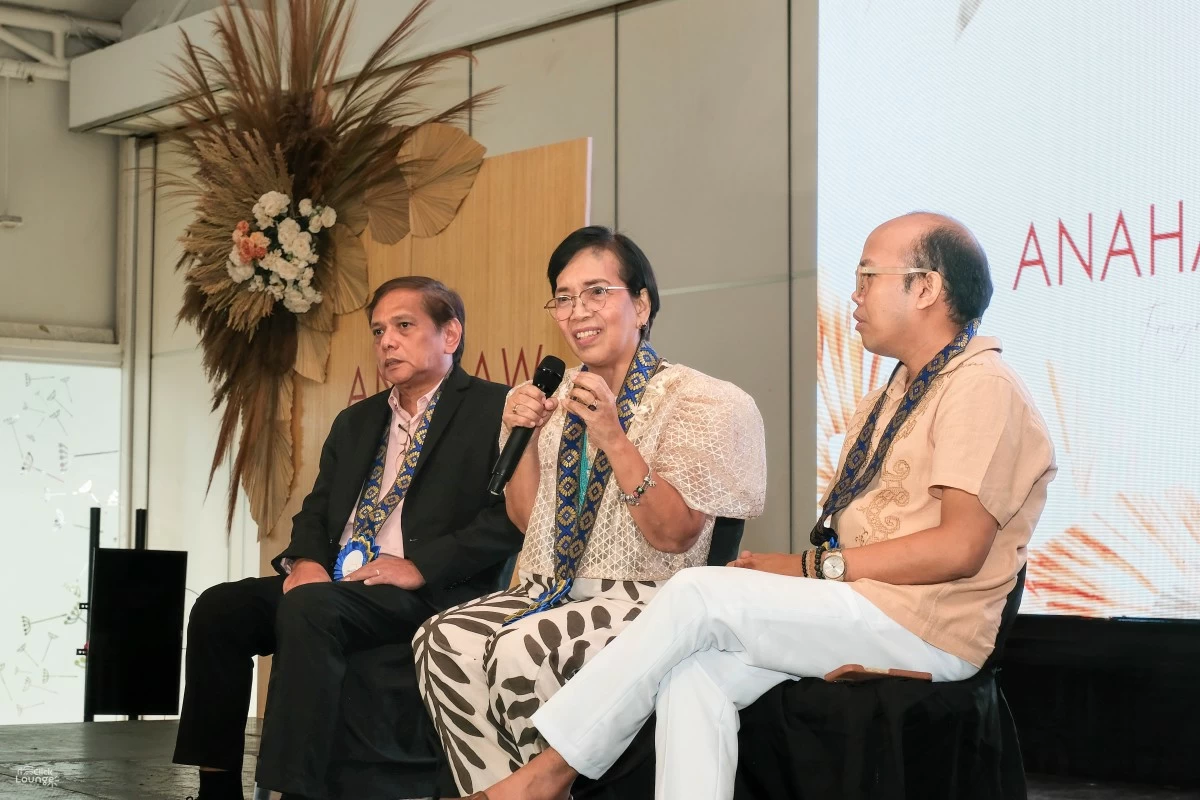
Recently,“Anahaw Bloom: Fragrance in Full Bloom,” a perfume conference gathered more than 27 local brands under one roof. Held on June 15, 2025, at The Elements Hall 1 in Centris, Quezon City, the event was a celebration of Filipino creativity, craftsmanship, and olfactory storytelling. From handcrafted scents inspired by local landscapes to bold new blends that rival global names, the showcase proves just how rich—and ready—the local perfume scene is.
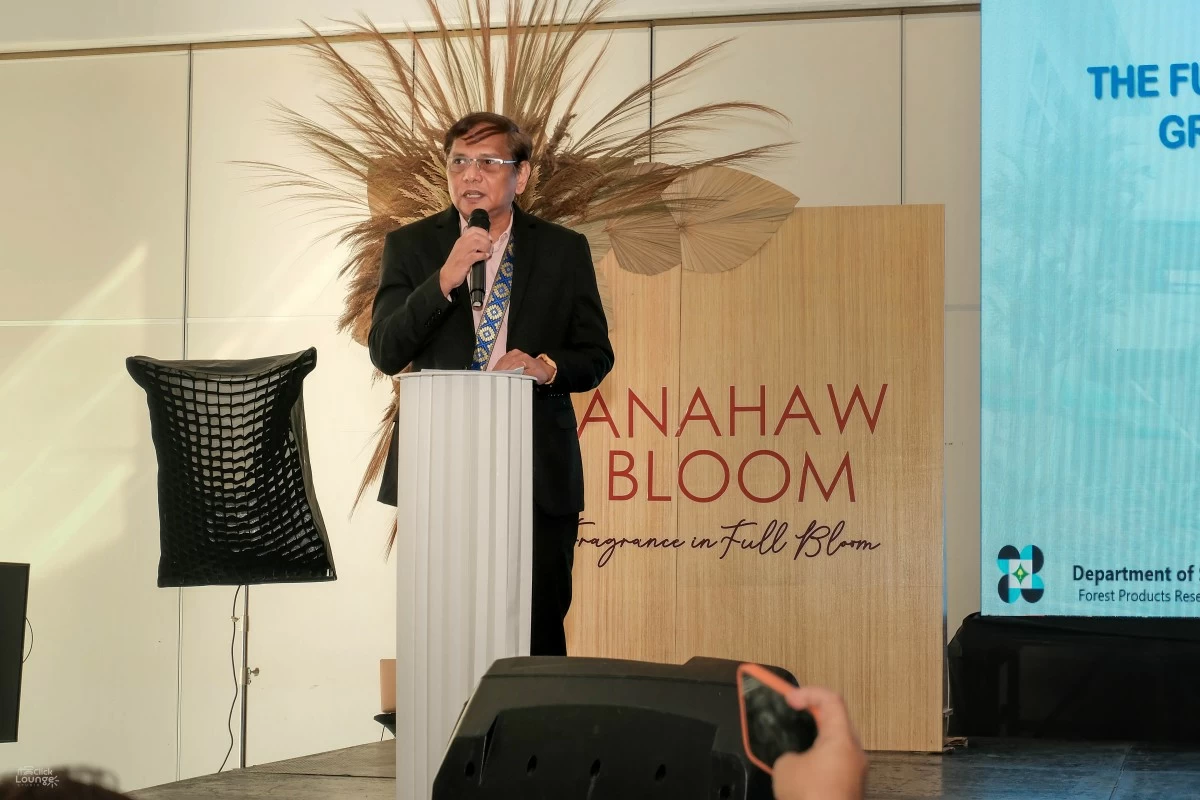
Among the many supporters of this flourishing industry is Dr. Rico Cabangon, director of the Department of Science and Technology - Forest Products Research and Development Institute (DOST-FPRDI). In an interview with Manila Bulletin Lifestyle, Dr. Rico highlighted the science and sustainability initiatives that are quietly empowering the country’s fragrance makers from behind the scenes.
The DOST-FPRDI push
Behind every elegant bottle of fragrance lies a process—and the DOST-FPRDI is making sure it’s one grounded in sustainability. By promoting green extraction methods and advancing the use of indigenous Philippine plants as perfume oils, the agency is paving the way for an industry that’s not only beautiful but also ethical.
“Another part of DOST’s program is to explore other indigenous and endemic plant materials such as pili,” Dr. Rico shared. “We have foresters to do that, we have experts that deal with the tree and the plant so it won’t be harmed. It’s our vision for the Philippines to be an exporter of not just materials but of fragrance itself.”
The list of homegrown plants used in perfumery is as poetic as the scents they produce—Ylang-ylang, Mindanao cinnamon, and pili, to name a few. With the country’s diverse flora, the potential to craft truly Filipino fragrances that also meet global sustainability standards is no longer just a dream—it’s already in motion.
These efforts go beyond science—they support farmers, protect biodiversity, and give local perfumers a sustainable platform for innovation. By equipping communities with knowledge on ethical sourcing and fair trade practices, DOST-FPRDI is helping lay the foundation for a fragrance industry that celebrates both nature and culture.
Supporting local fragrance startups
Beyond sourcing raw materials, building a fragrance business also requires access to the right tools. For many small-scale perfumers, this can be a major hurdle. That’s where DOST’s Small Enterprises Technology Upgrading Program (DOST-SETUP) comes in.
“This is very much open for local perfumers,” Dr. Rico explained. “This program supports the technical needs of the business. For example, they need an extractor or distiller, the DOST can fund that through loans without any interest. Unlike common services, this time they can have their machine.”
It’s a practical yet powerful way to boost innovation—by putting the right equipment in the hands of those who dream in scent.
The future smells like Filipino spirit
With more local fragrance brands making waves and more consumers supporting them, the Philippines is closer to creating its own space on the global fragrance map.
“The future of Filipino fragrance lies in embracing green innovation and building a sustainable industry that celebrates the country's natural and cultural heritage,” said Dr. Rico. “Collaboration among local perfumers, agricultural communities, government agencies like DOST-FPRDI, and consumers will be essential to realize this vision.”
From farm to flacon, it’s clear that Filipino perfumers are not only creating scents that smell good—they’re crafting a movement that does good, too.