







BSP hikes June inflation forecast amid rising oil, weak peso
By Derco Rosal
Published Jun 30, 2025 04:02 pm


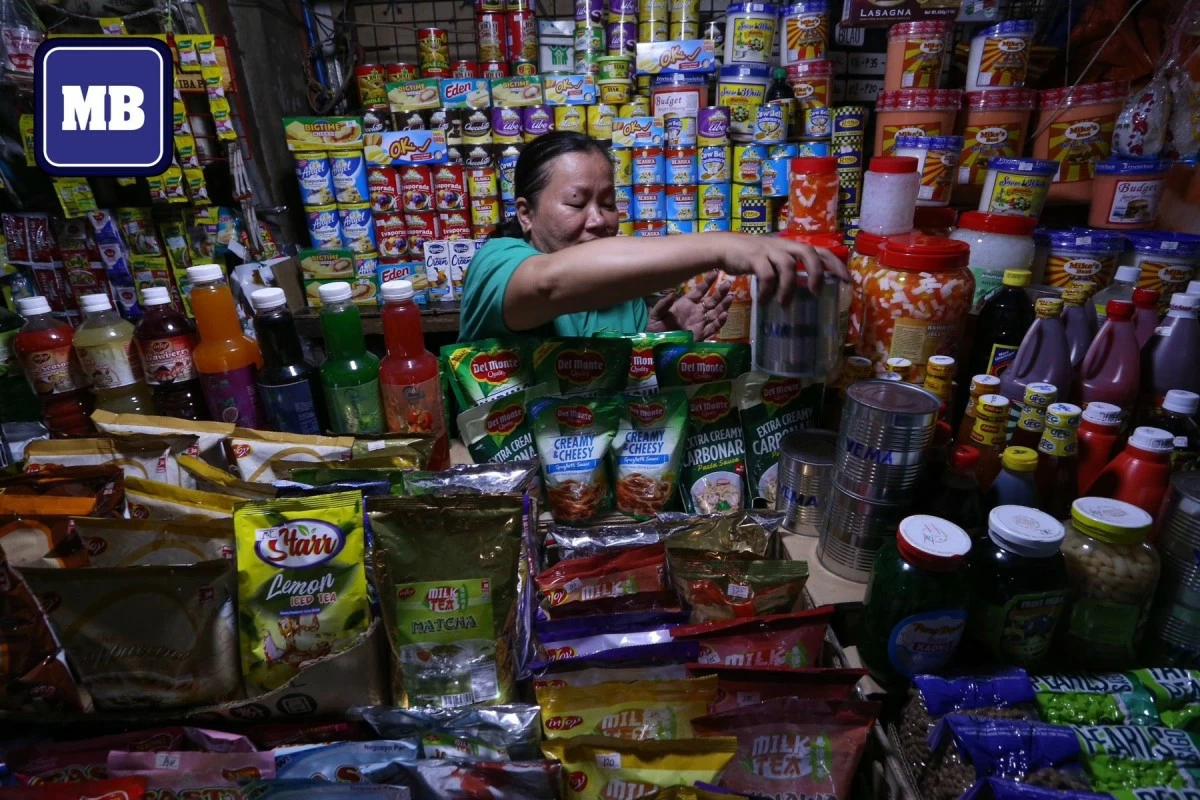
(MB photo by Santi San Juan)
Citing elevated oil prices and the recent depreciation streak of the Philippine peso, the Bangko Sentral ng Pilipinas (BSP) raised its inflation forecast for June, with the upper band at nearly two percent.
According to the BSP’s statement, released on Monday, June 30, consumer price increases may accelerate to a range of 1.1 percent to 1.9 percent, from its previous range of 0.9 percent to 1.7 percent in May.
“Upward price pressures for the month are likely to be driven by higher meat and vegetable prices, elevated oil prices, and the depreciation of the peso,” the central bank said.
Headline inflation continued to moderate to 1.3 percent in May, down from the already slow 1.4 percent in April. May’s inflation rate was the slowest in five-and-a-half years. Notably, the poorest household experienced no increase in overall prices.
May’s inflation rate also fell far below the government's target band of two to four percent. It was at the midpoint of BSP’s previous forecast range.
Meat prices, which the BSP earlier cited as among the price pressures, remained a major trigger to inflation.
However, this and other pressures “could be partially offset by lower prices of rice, fish, and fruits, as well as lower electricity rates.” PSA Undersecretary and National Statistician Claire Dennis S. Mapa had noted that the continued slowdown of inflation in May was also because of slower price hikes in electricity rates, alongside price increases in housing, water, and gas.
Over a week after the crossfire between Israel and Iran was ignited in early June, the BSP Governor Eli M. Remolona Jr. had pointed to this development as among the biggest risks the central bank “worries” about. Prior to the tentative ceasefire, he had said a bad scenario would be exceeding five percent.
Rising global oil prices and the peso’s depreciation streak could push inflation above five percent, a level last seen nearly two years ago, since September 2023, when it posted a 6.1 percent rate. It then gradually declined throughout the year until May 2025, when it clocked in at 1.3 percent — its slowest in nearly six years since November 2019.
Moving forward, the BSP said it remains committed to securing the stability of consumer prices “by ensuring that monetary policy settings are conducive to sustainable economic growth and employment.”
On June 19, the policy-setting Monetary Board (MB) delivered its latest easing of the key borrowing costs by a quarter point to 5.25 percent from 5.5 percent previously. A total of 1.25 percent has been slashed from the policy rate since the easing kicked off in August last year.