







Marcos at halfway mark: Tangible change by 2028 still the goal
Published Jun 29, 2025 03:55 pm


At A Glance
- For Marcos, the past three years have been about laying foundations for infrastructure, digital transformation, food security, and social protection.
As he marks the third year of his presidency on June 30, President Marcos is keeping his eye firmly on the future, vowing to deliver real, measurable change to the lives of ordinary Filipinos by the time he steps down in 2028.
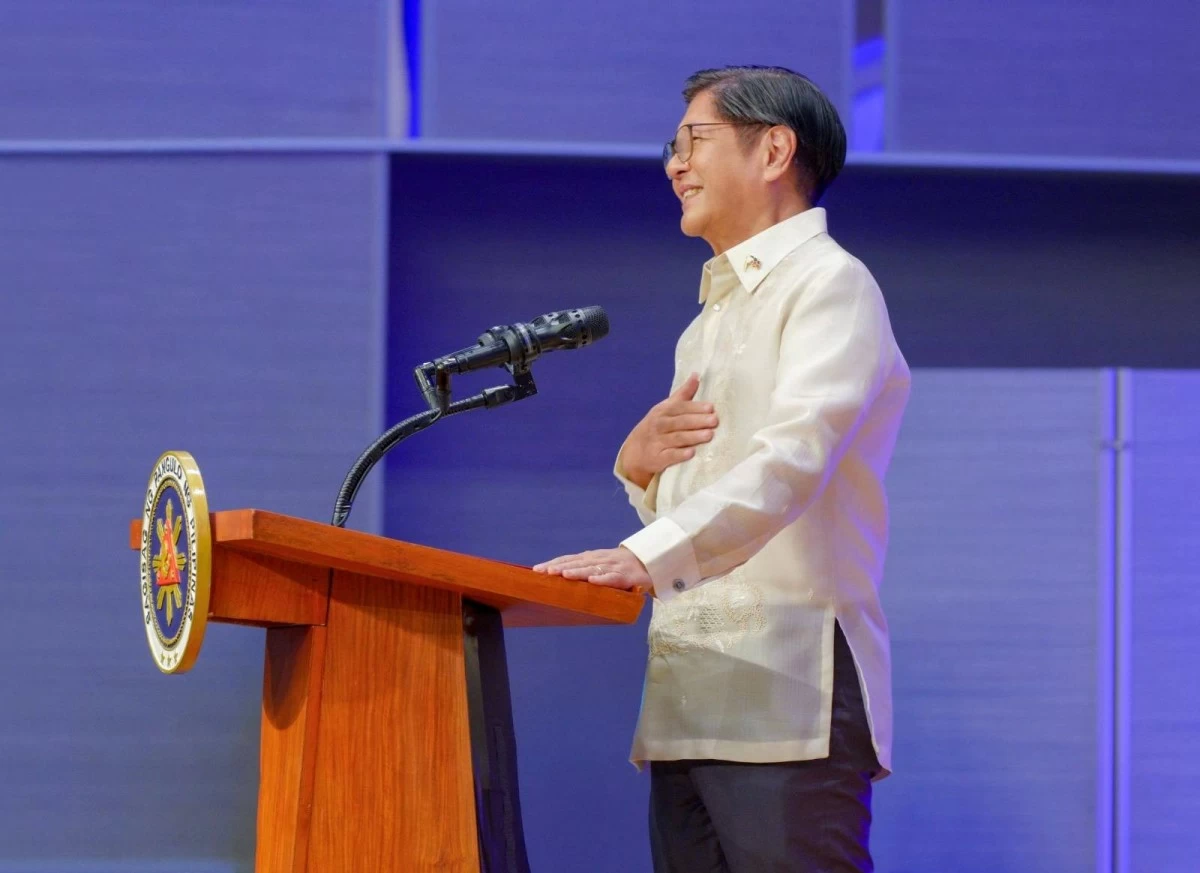
President Ferdinand 'Bongbong' Marcos Jr. (Malacañang photo)
After the unfavorable result of the 2025 elections, the President had one realization: the people detest politics. With this in mind, he ordered his Cabinet to focus on serving the public and even started a Cabinet shakeup— which led to movements and replacements of some officials— to satisfy the needs of Filipinos.
“So I absolutely insist that in 2028, when I leave this office, there are significant and tangible changes for the better in the life of each Filipino,” Marcos said in his most recent podcast.
“The worst thing that can happen is umupo ka doon sa posisyon mo, na nagsilbi ka, umalis ka, walang pinagbago (You assume the position and leave but nothing changed),” he added.
The President’s halfway mark comes with mixed challenges and milestones. His administration’s vision of a “Bagong Pilipinas” has been tested by global economic pressures, domestic demands for reform, and geopolitical flashpoints abroad. But for Marcos, the past three years have been about laying foundations for infrastructure, digital transformation, food security, and social protection.
Infrastructure and transport
Among the President’s most visible legacies so far is his infrastructure push. Flagship Build Better More projects continue to rise, while mass transit reforms—including train ride discounts, expanded services, and the rollout of subway and railway projects—aim to ease urban congestion.
The planned EDSA rehabilitation was notably paused following his observations on the hardship faced by commuters.
“Napakahirap na dadagdagan pa natin ng kahirapan (They’re already having a hard time, and we’ll add to it)?,” he said, opting to look for better solutions before disrupting a vital artery.
Agriculture and P20 rice
Marcos has also tied his presidency to agriculture, doubling as Secretary of Agriculture early in his term. From fertilizer subsidies to Kadiwa stores and irrigation projects, he has pursued a broad vision of food security.
The promised P20 rice, rolled out in select areas for select customers, remains a symbolic goal. Despite doubts, he believes it is still possible with long-term structural support.
“Ang tunay na layunin ay maabot ang sustainable rice price na abot-kaya (Our real objective is to achieve sustainable and affordable rice),” he said in a recent podcast, noting government efforts to protect local farmers amid imports and global volatility.
Digital governance and AI upskilling
In recent weeks, President Marcos backed a national upskilling roadmap in partnership with the Private Sector Advisory Council to prepare the Filipino workforce for an AI-powered future. Expanded student immersion, digital leadership training, and job fairs are also part of the initiative, alongside calls to modernize the education and labor sectors.
Communications Undersecretary Claire Castro said this approach “aims not just to train workers but to empower the entire population to thrive in an AI-driven world.”
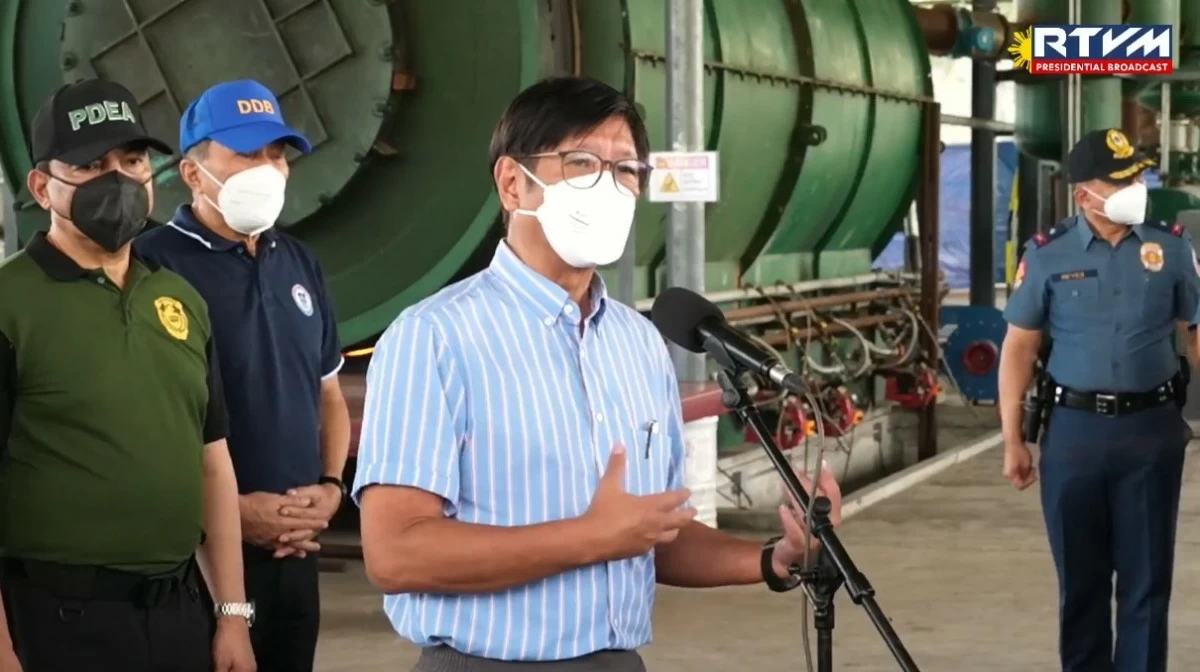
President Ferdinand 'Bongbong' Marcos Jr. (RTVM Screenshot)
Peace, order, and a shift in drug policy
On public safety, the President has endorsed community-focused enforcement and visible police presence. The “Cops on the Beat” program seeks to make police officers more accessible, while high-value drug busts and recent incinerations of seized narcotics underscore a shift toward systemic accountability.
“We want to see that from the capture of the illegal drugs, all the way to its destruction, the system is solid,” he said at a drug incineration in Tarlac.
Global diplomacy: Asserting sovereignty, building alliances
Whether in the West Philippine Sea or the Middle East, Marcos has sought a balance between assertiveness and diplomacy. In a podcast, he reaffirmed: “We did not yield. We continue to protect the sovereignty of the Republic.”
The administration has also managed repatriation efforts from conflict zones in Israel and Iran, while actively engaging partners like Japan for tourism, trade, and even disaster-monitoring cooperation through space technology.
Crisis management and economic headwinds
Following oil price volatility amid Israel-Iran tensions, Marcos convened his economic team and assured the public that there was no significant effect on the Philippine economy. He warned, however, against artificial price hikes and stressed continued vigilance.
Subsidies for sectors like transport and agriculture remain under review, with the President stating they would be triggered only if needed.
A President still defining his legacy
As criticisms persist—whether on wage hikes, oil prices, or foreign policy—Malacañang has pushed back. Undesecretary Castro recently urged groups like Kabataan Partylist to “see what the President has actually been doing,” challenging them to propose laws instead of simply criticizing.
With three years down and three to go, Marcos has made clear that he intends to stay the course—delivering not just promises, but what he hopes will be permanent improvements.
“We made a change for the better,” he said when asked what he wanted to be remembered by. The next three years will determine whether history agrees.