







DOST-FPRDI exhibit to spotlight high-value pandan products
By Jel Santos
Published Jun 29, 2025 06:22 pm


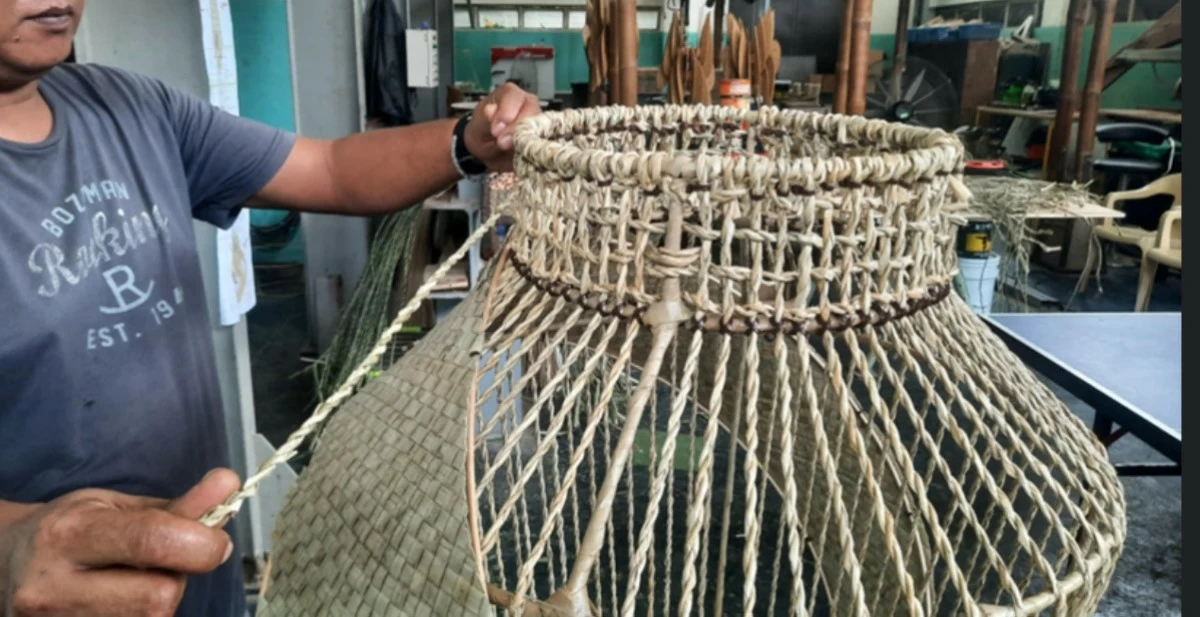
(PHOTO: DOST)
A new exhibit opening this Tuesday, July 1, will showcase the modern design possibilities of pandan weaving, a centuries-old Filipino craft, as the Department of Science and Technology – Forest Products Research and Development Institute (DOST-FPRDI) pushes for innovation-driven support for local artisans.
Launching at the DOST-FPRDI’s Forest Products Innovation and Training Center (FPITC) in Los Baños, INTERCONNECT3D: Lalang Pandan seeks to present pandan not just as a traditional weaving material, but as a flexible resource for high-value and globally competitive products.
“By harnessing the potential of pandan and turning it into high-value products, we not only preserve our weaving heritage, but also make sustainable economic opportunities for our communities,” DOST Secretary Renato U. Solidum said in a statement.
“We empower local artisans, elevate Filipino craftsmanship, and pave the way for globally competitive and science-driven enterprises through initiatives like these.”
The exhibit will feature a range of creative outputs, from woven mats and bags to stools, chandeliers, and pendant lighting, that merge indigenous techniques with modern aesthetics.
These items are the result of a DOST-FPRDI research and development initiative aimed at enhancing product design and expanding the market for local pandan weaving communities, particularly in Luisiana, Laguna.
One of the centerpiece items is Lalampara, a towering 4-foot chandelier that reimagines the traditional lampara or kerosene lamp using rolled and woven pandan elements.
Other notable pieces include stools fashioned from rolled pandan mats and pendant lights made of combined pandan and rattan strips.
“Just as pandan strips become stronger when woven together, the exhibit will reflect how tradition, innovation, and community interweave to create culturally inspired products that blend traditional weaving techniques with modern design aesthetics,” Chris Johnniel France Rana, artist and industrial designer involved in the project, said.
The theme of interconnectedness runs throughout the exhibit.
According to DOST-FPRDI, it symbolizes how stakeholders, from scientists and designers to weavers and entrepreneurs, can work together to elevate local industries through research, design, and collaboration.
The event is more than just a display of craft as it is positioned as a step toward creating sustainable livelihoods through science, design, and innovation.
“The exhibit represents both pride in our roots and a vision for the future,” DOST-FPRDI Director Rico J. Cabangon stated.
“Through research and innovation, we aim to show how integrating traditional skills with modern techniques can unlock new possibilities.”