







DOE: 4 oil firms to give fuel discounts to PUVs
Published Jun 29, 2025 03:15 pm


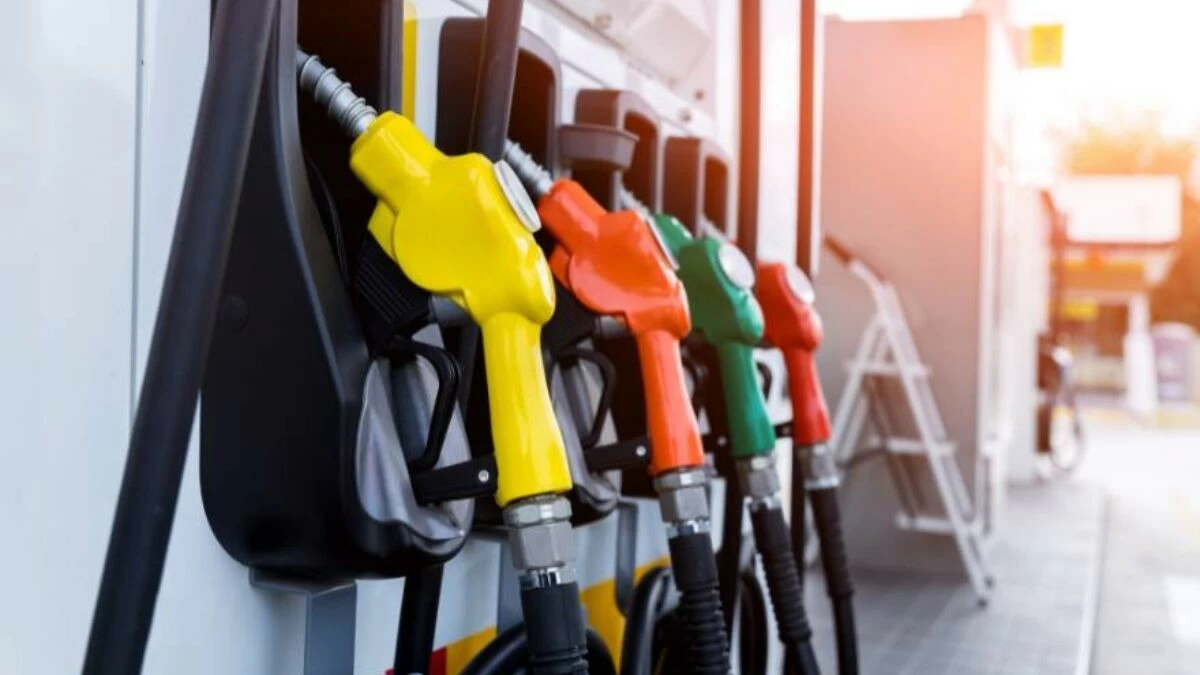
Department of Energy (DOE) officer-in-charge Secretary Sharon Garin confirmed on Sunday, June 29, that four oil companies – Petron, Shell, Caltex, and Cleanfuel - have agreed to give fuel discounts to public utility vehicle (PUV) drivers affected by the volatility in oil prices.
According to the DOE, the following discounts will be given to PUV drivers:
• Petron Super Driver (SDC) holders can get P0.5 up to P3 per liter discount every time they gas up at any participating station;
• Shell will give P1 to P5 per liter discount to PUVs and P2 to P3 per liter discount for TNVs;
• Caltex will offer P2.50 discount per liter on motor gas, P1.50 discount per liter on diesel, and P10 for lubricant products for PUVs;
• Cleanfuel will give P1 discount per liter of diesel, P2 for gasoline for PUJs, non-operator taxis through the Pasada card
The DOE said it met with representatives from Petron, Caltex, Shell, and Cleanfuel, almost on a daily basis to come up with the package of discounts for PUV drivers.
Nakausap natin 'yung Petron, Caltex, Shell at Cleanfuel. Every day naman, 'yan mini-meeting kada isa. At least meron silang mga P1 discount sa kada litro sa lahat ng public utility vehicles, Garin said in an interview on Super Radyo dzBB. (We spoke with Petron, Caltex, Shell, and Cleanfuel. We meet with them individually every day. They have at least P1 discount per liter for all PUVs.)
So bawi rin 'yan kasi hindi namin masyadong makontrol ang presyo. Sabi ng batas, 'wag niyong kontrolin. So, humihingi kami ng tulong sa mga oil companies, she added. (So that's a big help because we could not control much of the prices. The law says we should not control [the prices]. So, we ask for help from the oil companies.)
So far, 'yung apat pa lang [na kompanya] ang na-confirm ko (I confirmed only the four companies), Garin said.
Garin said fuel companies also have various promos which serve as loyalty programs and these give discounts to private motorists.
Pump prices increased twice last week following five straight weeks of increases for gasoline, three for diesel, and two for kerosene.
Prices per liter of gasoline went up by P1.75, diesel by P2.60, and kerosene by P2.40 on Tuesday, June 24, 2025.
The same price increases also took effect on Thursday, June 26, 2025.
Fuel retailers agreed to implement scheduled pump price hikes last week on a staggered basis in a bid to ease the burden of potential major adjustments, the DOE said.
Fuel prices went up as the conflict between Israel and Iran threatened global shipping passage.
Motorists however, could look forward to a sigh of relief this week with an expected rollback in fuel prices, which may be as much as P2 per liter.
Sa calculations namin, meron talagang ibababa [ang presyo] sa Tuesday, Garin said. (Based on our calculations, prices would indeed go down on Tuesday.)
The DOE chief explained that diesel and gas are imported by the Philippines, so the pricing depends on the international market.
Wala tayong sariling source. Ini-import natin lahat, she said, adding that a long-term solution is to develop our own energy sources. (We don't have our own source. We import all [diesel and gasoline].)
Garin said fuel price adjustments “sometimes favor the consumer, and sometimes the oil companies.”
Minsan lugi ‘yung consumer. Minsan lugi rin ‘yung oil company. Depende sa sitwasyon, she said. (Sometimes the consumer loses. Sometimes it’s the oil company that loses. It depends on the situation.)
With the conflict between Israel and Iran easing a bit due to the ceasefire currently in effect, fuel prices may still go down, Garin said.
Ako umaasa ako na lalo pa siyang bababa. At may additional pa next week. We just have to wait. Kasi pababa rin naman siya, eh, Garin added. (I am hoping that the price decrease will continue. And there's an additional [rollback] that may be expected next week. We just have to wait. Because the prices [in the world market] are going down.)
Subsidies
President Marcos had assured transport workers, farmers, and fisherfolk that the government is ready to provide fuel subsidies if global oil prices register a sustained and significant increase.
Marcos clarified that fuel aid will not be distributed indiscriminately and emphasized that these subsidies will be based on actual market movements.
“The price of oil has not gone up. So, we do not need to talk about the subsidy yet. It went up for one day, then it came back down,” he said.
The conflict between Israel and Iran and the involvement of the United States sparked fears of global supply disruptions and temporarily drove oil prices up.
Fears of a wider regional conflict caused global crude prices to spike to nearly USD 80 per barrel. However, a ceasefire brokered by the United States and other international actors quickly diffused tensions, easing oil markets and reversing the price hike within days.
“Umakyat ng 79 dollars per barrel, bumaba ulit pagkatapos na-announce ang ceasefire, bumaba ulit ng 69 kung saan siya nanggaling. So far, there is no significant effect on the economy,” the President said.
“Ang sinasabi namin, hindi ayuda—subsidy ‘pag tumaas ang presyo. Kung hindi tumaas ang presyo ng langis, then there is no need for that. We can do business as usual,” President Marcos said.
The President emphasized that oil price volatility is being closely monitored and that government intervention, including fuel subsidies, will be activated when market conditions negatively impact the livelihoods of public utility vehicle drivers and operators, farmers, and fisherfolk.
President Marcos reiterated that the government remains alert to global developments and prepared to take action if future price surges warrant targeted support for affected sectors.