






Manila Bulletin
 Lifestyle
Luminaries and Life
Still we march: Why Filipino queer advocates say Pride is far from over
Lifestyle
Luminaries and Life
Still we march: Why Filipino queer advocates say Pride is far from over
Lifestyle
Luminaries and Life
Still we march: Why Filipino queer advocates say Pride is far from over
Still we march: Why Filipino queer advocates say Pride is far from over
By John Legaspi
Published Jun 28, 2025 08:49 am
|
Updated Jul 1, 2025 07:43 am


On June 26, 1994, more than 30 queer advocates took to the streets of Quezon City to commemorate the 25th anniversary of the Stonewall Riots. Led by ProGay Philippines and the Metropolitan Community Church, the event—dubbed “Stonewall Manila”—was historic. It marked the first Pride mobilization in the Philippines, making the country the first in Asia to hold a Pride March.

Over the years, Pride March and its mission have grown and broadened. From just one large event, Pride in the Philippines has become more localized with city governments now leading their own mobilizations, communities organizing grassroots Pride events, and provinces—including Cebu, Baguio, Davao, and Iloilo—also joining in the initiative.
The larger LGBTQIA+ community has also found new ways to express solidarity beyond the traditional march. Today, Pride Month is filled with more intimate gatherings, such as picnics, open-mic shows, film screenings, art exhibits, and other creative sessions. These events provide safe spaces for expression, healing, and connection
Before we close this chapter of Pride Month, Manila Bulletin Lifestyle spoke with a few LGBTQIA+ advocates and creatives about what Pride March means to them. They shared why it remains a powerful reminder of what’s still worth fighting for—and a proud celebration of what the Filipino queer community has become.
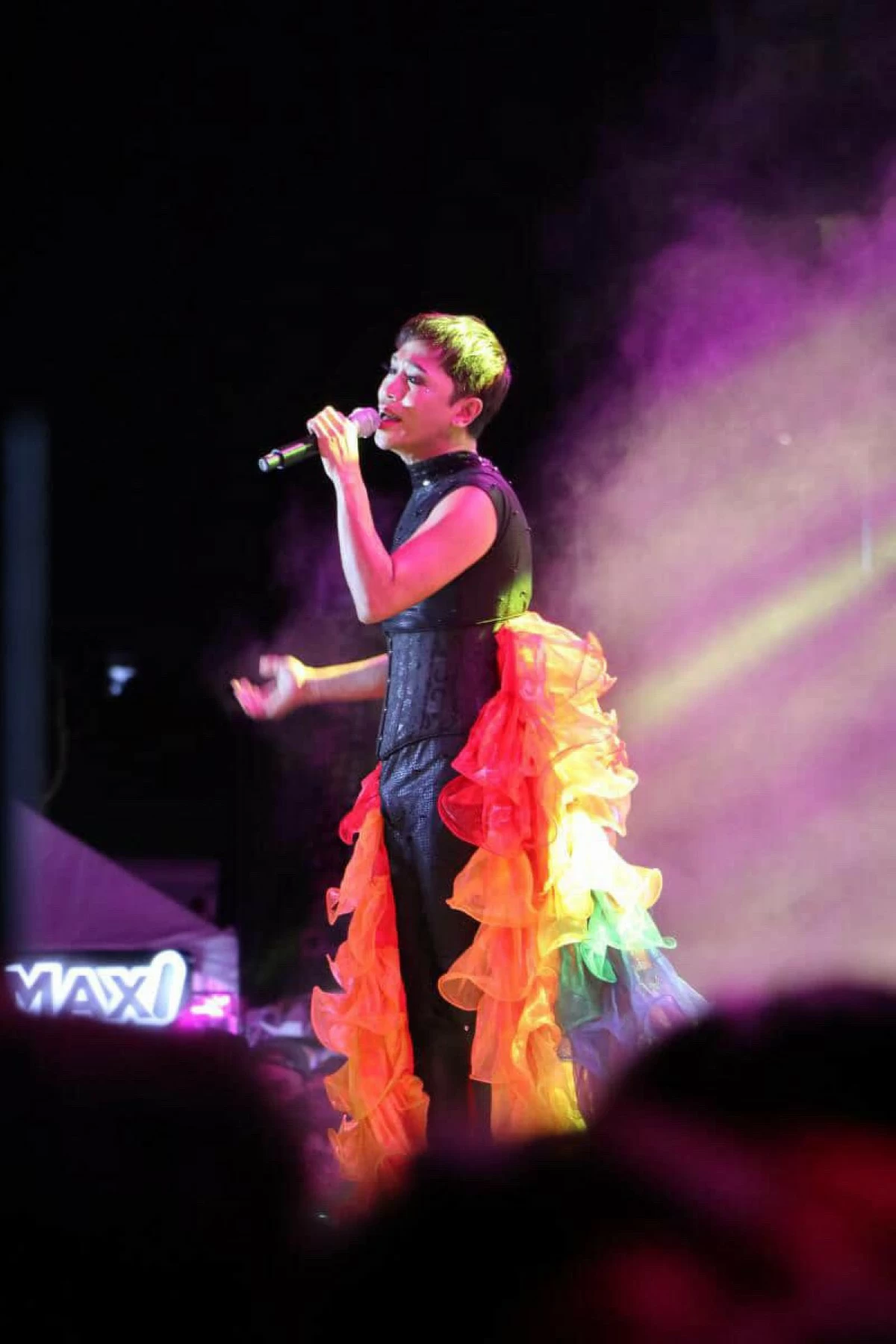
Phi Palmos
Spotlighting what truly matters
Thespian Phi Palmos has been attending Pride Marches in Remedios Circle, Malate, Manila. But it was during the 2017 Pride March in Marikina City that he marched and performed with a renewed sense of purpose. While there are now many platforms to tell the stories and struggles of Filipino queerfolks, for him, the Pride March remains essential in spotlighting the issues that matter most.
“It is more important today than ever,” Phi says. “The SOGIE Equality Bill is still languishing in both houses. Only Quezon City and San Juan City have the Right to Care policy, and only a handful of municipalities have anti-discrimination ordinances in place. As Harvey Milk once said, ‘Hope is never silent.’ That’s why we must keep marching—so our voices are heard.”
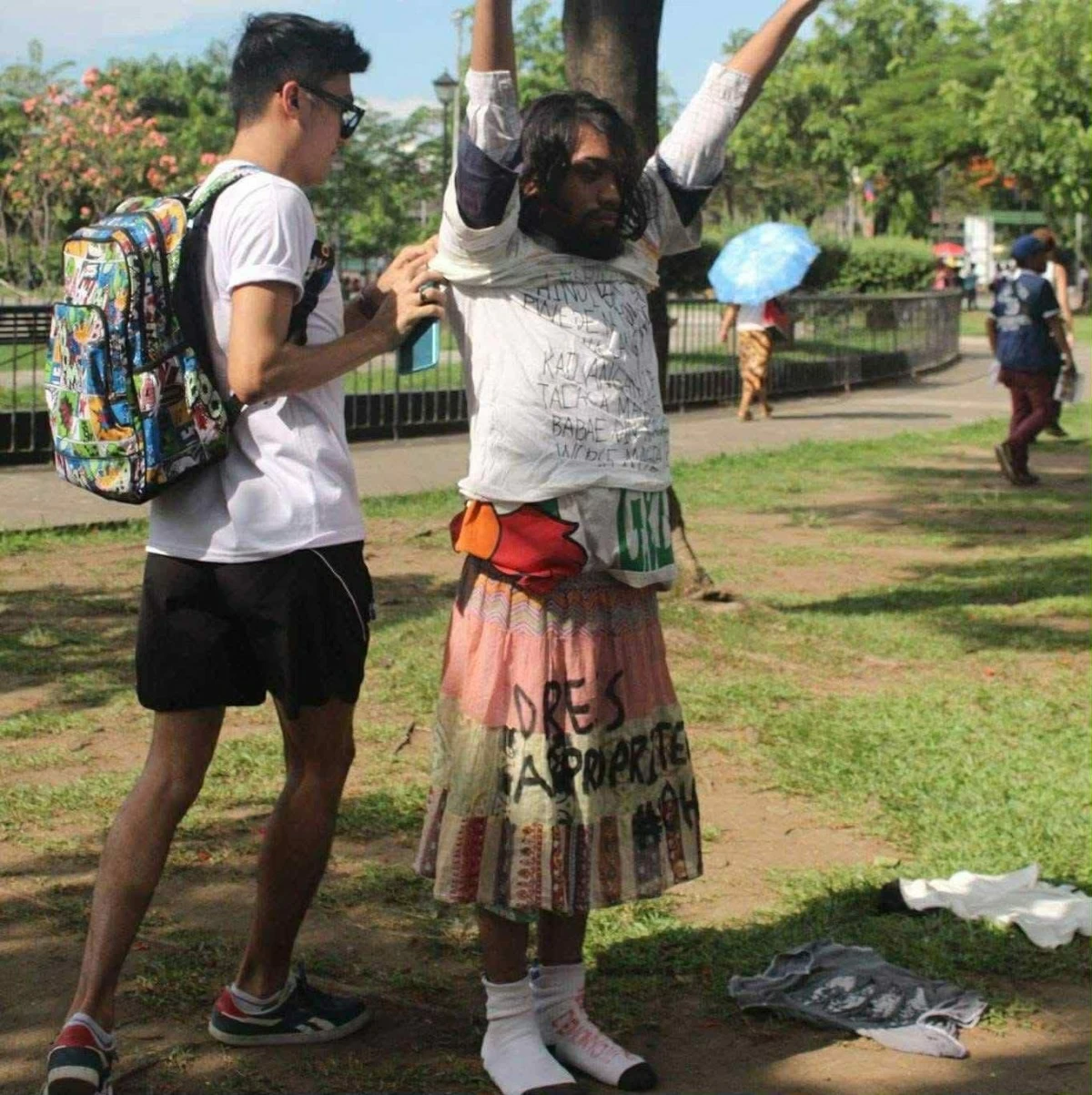
Floyd Tiogangco
Advocating for collective freedom
Writer, artist, and activist Floyd Tiogangco first joined the Pride March in 2016. To mark the moment, they performed “Layers of Hate,” a piece in which they wore 50 garments bearing hateful messages—each one removed by members of the public, layer by layer. From that moment on, Floyd’s reason for marching has remained the same: to advocate for collective liberation.
“I do believe it is still important because liberation hasn’t happened yet,” Floyd says. “We need to continue marching until we no longer have to. Our work will not be done until we are all free.”
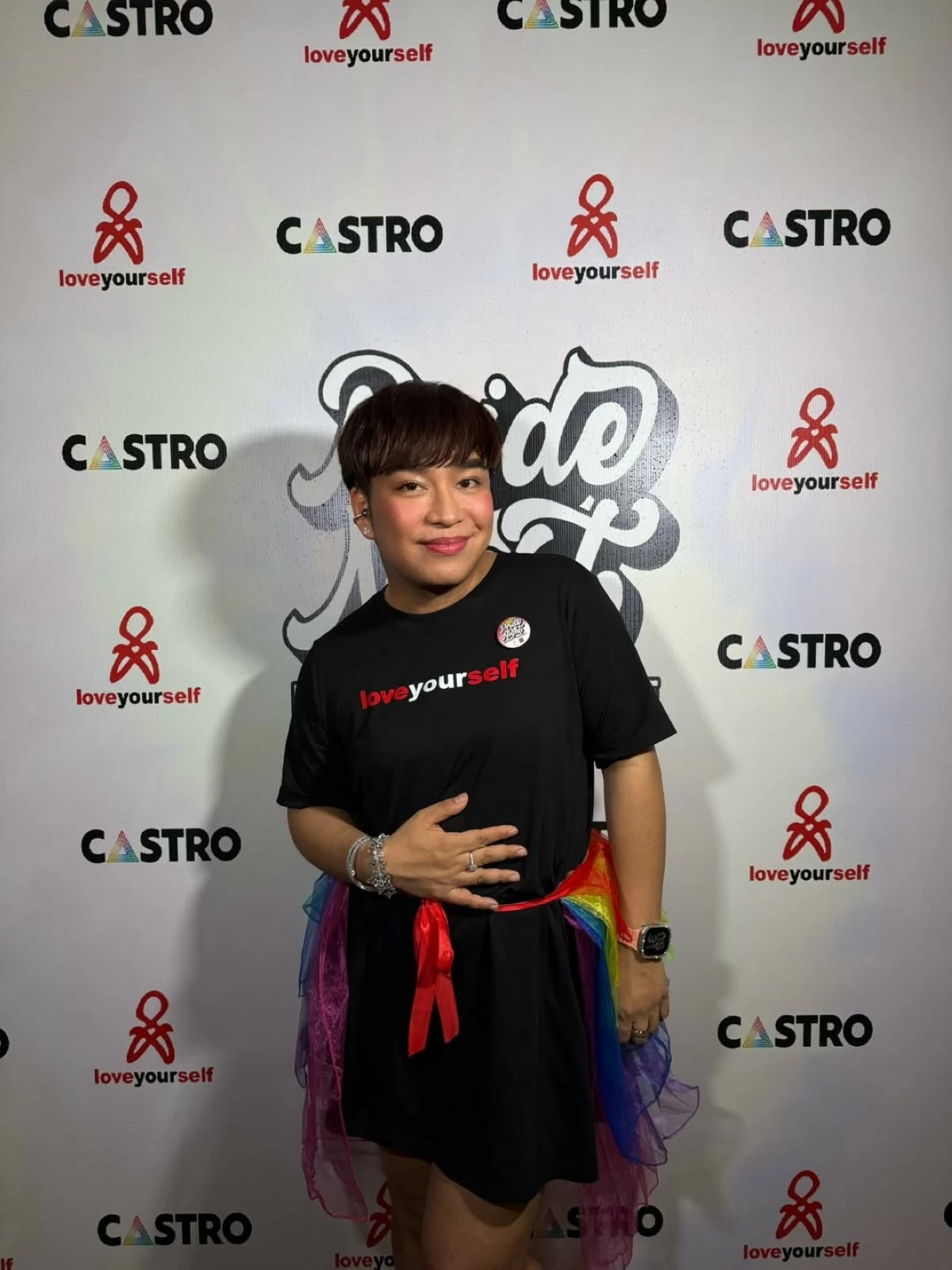
Dr. Ronivin Pagtakhan
Showing strength in solidarity
Dr. Ronivin Pagtakhan, founder of LoveYourself Inc., believes that marching carries lasting historical and symbolic power—especially in pushing for urgent policy reforms and in honoring those who came before. But he also emphasizes that advocacy now takes many forms.
“We believe in evidence-building—implementing community-led programs, conducting research, and presenting tangible results to government leaders so they can adopt policies that protect and empower our communities,” Dr. Ronivin says. “That said, Pride—whether it’s a march, a gathering, or simply an act of showing up authentically—remains vital. It reminds us that we belong, and that there’s strength in unity, especially for those who can’t yet be visible.”
For these advocates, Pride is not just a single day or parade, but a continuous act of love, resistance, and reclaiming one’s rightful place in society.