






Manila Bulletin
 Business
Banking & Finance
Philippine housing growth slows, but Metro Manila prices surge
Business
Banking & Finance
Philippine housing growth slows, but Metro Manila prices surge
Business
Banking & Finance
Philippine housing growth slows, but Metro Manila prices surge
Philippine housing growth slows, but Metro Manila prices surge
By Derco Rosal
Published Jun 27, 2025 03:01 pm


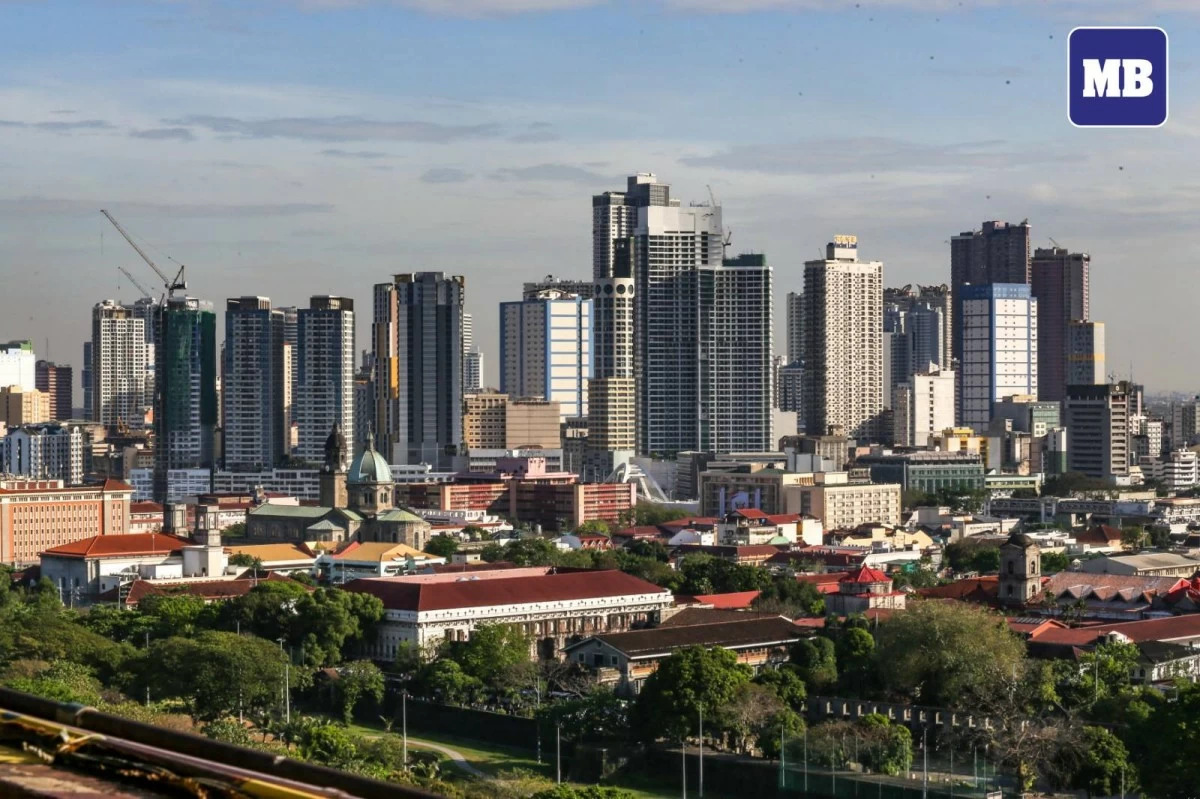
Prices for housing units in the Philippines rose at a much slower pace in the first three months of the year, although costs in Metro Manila posted a double-digit surge.
Data from the Bangko Sentral ng Pilipinas (BSP) showed on Friday, June 27, that the nationwide Residential Property Price Index (RPPI) grew by 7.6 percent from January to March this year, a slowdown from the 9.8 percent growth recorded in the previous quarter.
Despite the national trend, the national capital region (NCR) remains the region with the most expensive properties.
Residential property prices in Metro Manila accelerated by 13.9 percent during the period, significantly outpacing price growth in areas outside NCR, which registered a more modest three percent uptick.
The overall rise in property values was primarily driven by increases in both condominium and house prices, climbing by 10.6 percent and 4.5 percent, respectively.
The houses category includes single-attached or detached units, apartments, townhouses, and duplexes.
The RPPI tracks the average price changes of various housing unit types over time, utilizing data from banks on actual housing loans.
The BSP considers this a key indicator for assessing the country's real estate and credit market conditions.
In a separate statement, the central bank noted that the newly launched RPPI is a more reliable indicator of housing price trends, as it adheres to global best practices.
The BSP began processing real estate information for the RPPI using first quarter 2025 data, which replaced the Residential Real Estate Price Index. The improvement in the RPPI stems from its adoption of hedonic regression, a method that offers a more accurate measure of market trends by incorporating property-specific characteristics such as location, size, and type.
According to the BSP, this addresses limitations of the previous methodology, which relied on simple averages and assumed all properties within a group were similar.
Furthermore, the BSP said the RPPI broadens its coverage to include new, pre-owned, and foreclosed houses. It also utilizes actual acquisition costs rather than appraised values.
The BSP noted that as a result of these changes, the RPPI provides more stable index values and growth rates, even during periods of market disruption like the pandemic.