






Department of Foreign Affairs (DFA) Secretary Enrique Manalo reaffirmed the Philippines’ role in pursuing the ideals and principles of the United Nations (UN) and its commitments as a proponent of multilateralism, stressing the need for nations to work together to solve common challenges—conflict, disinformation, inequality, and climate change.
Manila Bulletin
 Philippines
National
PH reaffirms commitment to UN ideals, principles of multilateralism
Philippines
National
PH reaffirms commitment to UN ideals, principles of multilateralism
Philippines
National
PH reaffirms commitment to UN ideals, principles of multilateralism
PH reaffirms commitment to UN ideals, principles of multilateralism
Published Jun 26, 2025 09:41 am


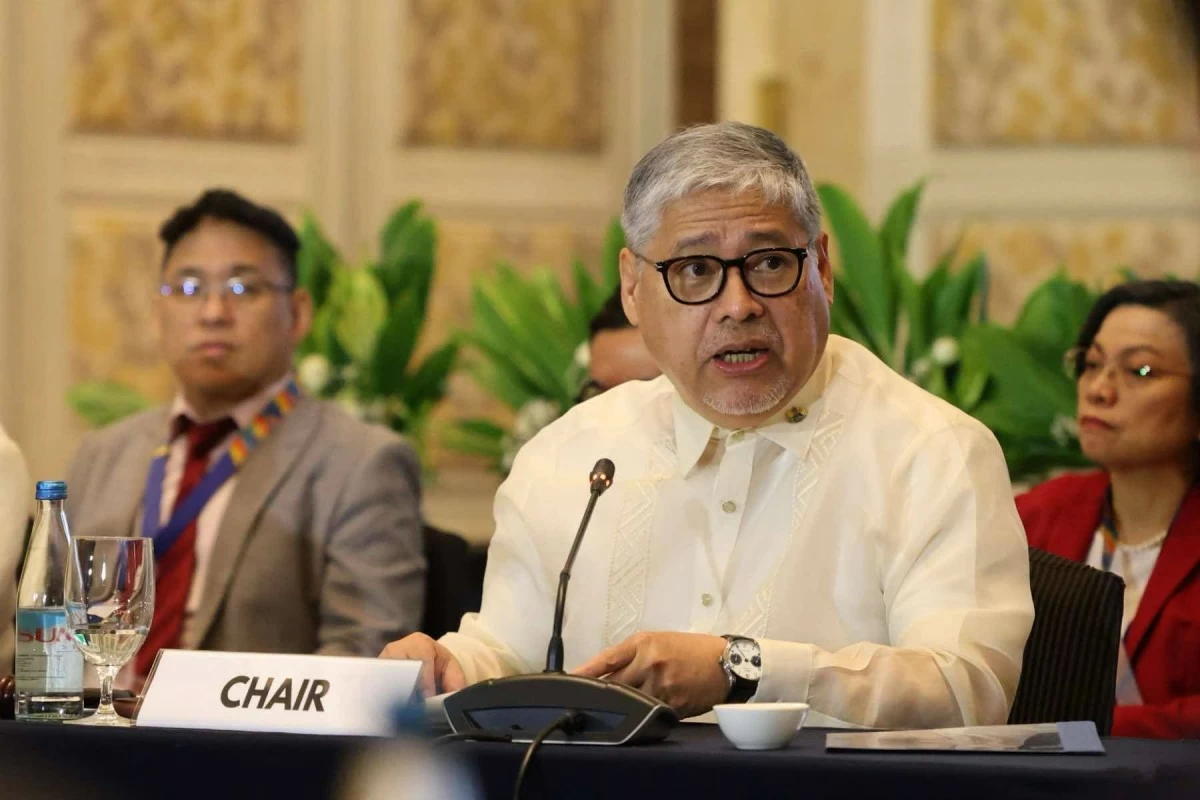
Foreign Affairs Secretary Enrique Manalo (DFA Photo)
In his speech during the UN80 Inaugural Reception and Commemorative Stamps Launch on Wednesday, June 25, at the Old Senate Session Hall of the National Museum of Fine Arts, the Secretary highlighted the importance of mirroring the Philippines’ struggles as depicted in Carlos “Botong” Francisco’s mural, “Filipino Struggles Through History.”
“Eight decades ago, multilateralism emerged from the ashes of war not as an abstract idea but a necessity for the survival of the human race. Standing at the cusp of independence, our country became among the founding members of the United Nations, affirming, with conviction, the values of peace, equality, and human dignity,” he said.
“Ever since, we have held fast to a deep sense of responsibility as a member of the UN and proponent of multilateralism,” the official added.
He cited the Philippines’ role in advancing UN principles and shaping “a just and inclusive world,” and underscored the importance of multilateralism in addressing global issues.
“Because many of the challenges we face are shared—and so must be the solutions. Climate change knows no borders. Pandemics require no visas. Conflict, disinformation, and inequality ripple far beyond their point of origin. Overcoming these challenges requires solidarity,” Manalo, the incoming Philippine Representative to the United Nations in New York, explained.
“At the core of multilateralism is the belief that no nation, no matter how powerful, can succeed alone and that the rules we uphold must be anchored on the bedrock of dialogue and respect. The UN has been the vessel of collective aspirations, a common resolve, and shared hope,” he furthered.
The devastation and “human suffering” in Gaza and Ukraine and the heightened tensions in the Middle East must remind nations what they have achieved in the past and what needs to be accomplished “in the name of peace and development.”
Despite these challenges, the DFA chief called on “succeeding generations of Filipino diplomats” to believe in the power of “hope” as they also recognized “that building the peace for all humanity requires perseverance and demands the best in us.
“While Botong’s mural reminds us that history is marked by tireless endeavor, it also burns bright with hope. If there is anything that the pages of history taught us, it is that while progress is hard-won, it is and always will be possible,” he said.
“The spirit of hope and endeavor has lived, despite, – and perhaps most especially during – challenging times, as we face today. But today is also a remembrance of the journey that the Philippines has taken with the human family through the United Nations. It calls on each of us to advance in this journey with faith and purpose, in the Republic’s finest traditions as a democratic, peaceful and freedom-loving nation.”