







A grandson's letter, a generation's concerns
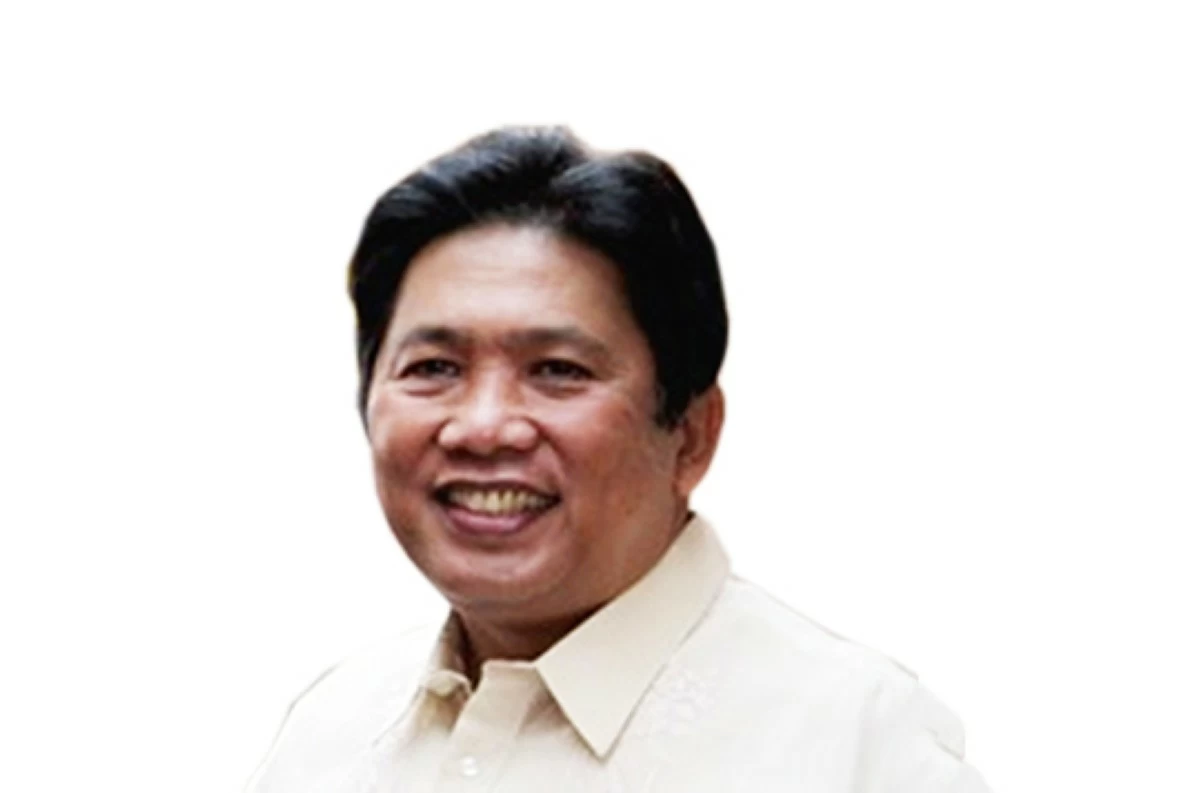
By Sonny Coloma
Published Jun 26, 2025 12:00 am
|
Updated Jun 25, 2025 04:37 pm


ENDEAVOR
My seven-year-old grandson recently sat down with crayons and bond paper to write a letter — not to Santa Claus or a favorite superhero, but to the leaders of Israel and Iran — through their resident ambassadors in the Philippines.
“Please stop fighting,” he wrote in big, careful handwriting. Israel is a holy country…where Jesus was born and where he was also crucified…You are hurting people and making other countries scared. I want peace.”
I was deeply moved. This wasn’t just child’s play. His letter was a heartfelt expression—one born from the anxiety in the air, the snippets of news overheard during breakfast, the quiet conversations between his millennial parents and their friends.
In his young mind, current world events are not abstractions; they were real, troubling, and urgent enough to call for action, even from a child.
It is sobering to realize that a child so young is already wrestling with the consequences of global strife. His mother—my daughter—was the one who encouraged him. Alarmed by rising tensions in the Middle East, particularly between Israel and Iran, she’s aware of how these distant events have very real implications for our daily lives: tighter oil supplies, higher prices at the fuel pump, inflation pressures, and financial uncertainty. Like many in her generation, she is attuned not only to geopolitical developments but also to the ripple effects they create — on family budgets, job security, and long-term plans.
His parents’ conversation with friends — and that letter — got me thinking: How do current events affect the young?
For today’s youth and children, the world is a cascade of crises—climate change, the pandemic’s lingering impact, economic instability, disinformation, armed conflict, and social unrest. Where previous generations may have enjoyed longer interludes of relative peace and progress, many young people today are growing up in an atmosphere of unpredictability and fear. And yet, they are also growing up more aware, more engaged, and more committed to shaping a better future.
At the same time, this generation is also vulnerable. Constant exposure to distressing headlines, alarming images, and urgent narratives—through social media and digital platforms—can generate a sense of helplessness or chronic anxiety. Mental health concerns among the youth are rising globally, a signal that we need to provide them not only with protection but with perspective.
This is where the role of elders—parents, teachers, mentors, leaders—becomes crucial. While we cannot shield them entirely from the world’s troubles, we can equip them with the tools to understand, cope with, and respond constructively to adversity. We must teach them discernment, resilience, and hope. We must show them how strength can coexist with compassion, and how solutions can be found not only through confrontation, but through dialogue, diplomacy, and mutual respect.
In moments of crisis, we could be sorely tempted to panic, to despair, or to turn inward. But history and our past experience have shown that what matters most is how we choose to respond—not out of fear, but out of wisdom.
During the entirety of my college years, my generation witnessed the First Quarter Storm and the imposition of martial law. When EDSA People Power brought about the return of democracy in our land, I was already in my early thirties, married, and with a five-year old daughter. It is through the lens of such historical perspective that I witness the unfolding of global events.
The Philippine response to today’s global uncertainties must be measured, principled, and forward-looking. We are, after all, no stranger to geopolitical crosswinds. As a country heavily reliant on oil imports, we are vulnerable to supply disruptions and price shocks. As a nation with millions of overseas workers—many in the Middle East—we have a deep and direct stake in peace and stability in that region.
But instead of reacting with alarm, we must build resilience. This means accelerating our transition to renewable energy, diversifying our sources of fuel, strengthening food security, and bolstering social safety nets for our most vulnerable sectors. It means investing in education, skills, and innovation—so our young people can thrive in a future that will demand agility and foresight.
It also means speaking up, when appropriate, for peace and the rule of law. As a member of the international community, the Philippines can and should support multilateral efforts aimed at de-escalation and peaceful resolution of conflicts. We must stand firm in our belief that no nation gains lasting security through war, and that the human cost of violence—especially to children—can never be justified by political or territorial ambition.
Let us also remember that our greatest resource is not oil, gold, or natural wealth—it is our people. And our people, especially the young, draw strength not from power, but from principle.
My grandson’s letter may not be read in the corridors of power in Jerusalem or Tehran, but its spirit speaks louder than words. It is a reminder that amid posturing and rhetoric, there is still room for innocence, and hope. And that perhaps, the most courageous act in a time of conflict is not to fight, but to appeal—for peace, for reason, for humanity.
Let us listen to the young—not because they have all the answers, but because they are asking the right questions. And let us help them believe that the world they will inherit is still worth fighting for—not with weapons, but with wisdom.
Comments may be sent to [email protected]