







Regulate digital marketplace, assist subsistence sellers
Published Jun 25, 2025 12:05 am
|
Updated Jun 24, 2025 04:18 pm


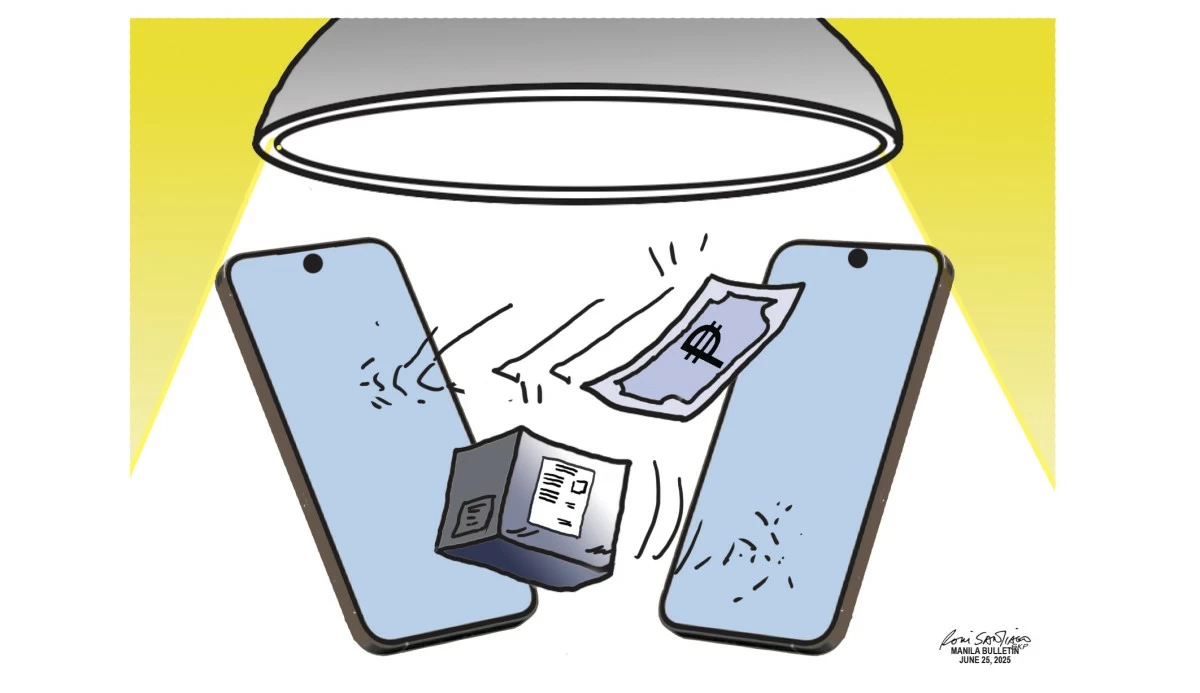
The Internet Transactions Act of 2023 is now in full effect, clearly defining how our digital marketplace operates. It empowers regulatory agencies with the authority to issue takedown orders against online listings of illegal goods and services.
The law aims to bring much-needed order and accountability to the sprawling, often unruly online economy. Yet, as with any law that changes the game fundamentally, it calls for a delicate balancing act—one that ensures fair competition and trade, protects consumers, ensures fair taxation, prevents abuse, and respects the humanity behind countless small-scale sellers struggling to make ends meet.
At first glance, the Internet Transactions Act signals progress. For too long, online marketplaces have been a wild frontier where illicit products—from counterfeit goods to prohibited substances—would slip through with impunity. They have fostered unfair competition with businesses operating within the ambit of the law. Now, the power to swiftly remove such listings is a vital tool to safeguard consumers and uphold the rule of law. Furthermore, by formalizing the oversight of these transactions, the government opens the door to a more robust tax collection framework that can fund essential public services.
However, enforcement without nuance risks becoming a blunt instrument. Therefore, the government must implement clear, transparent mechanisms to prevent abuse. Takedown orders should be issued only after due process, with a clear appeals system so that legitimate sellers are not unfairly targeted. Online merchants, too, must be protected from arbitrary or excessive penalties, which could discourage compliance or drive commerce underground. This balance is crucial to maintaining trust in the digital marketplace, ensuring it thrives as a legitimate space rather than becoming a battleground of suspicion and fear.
Simultaneously, the law must acknowledge the economic realities of subsistence sellers. These are often deemed the invisible backbone of local economies who sell goods online not for profit, but to feed hungry families and keep a roof over their heads. These are mothers, students, and elderly folk who rely on modest sales for survival. To indiscriminately clamp down on all sellers risks punishing the most vulnerable and deepening social inequities, thus pushing them further to the fringes. This is why it is crucial for the government to develop practical ways to identify and exempt these subsistence sellers from the full brunt of the law. Perhaps registration thresholds, income limits, or community-based certifications could form part of this compassionate framework.
For e-merchants, embracing responsible citizenship means more than just complying with takedown orders. It means proactively vetting their listings, educating themselves on the legal boundaries, and collaborating with authorities to keep their platforms safe. Transparency and integrity should become non-negotiable values. Consumers, meanwhile, must make informed purchases, report suspicious listings, and understand that the cheapest deal might come at the cost of ethics or legality.
On the government’s side, a comprehensive implementation plan is paramount. Beyond enforcement, it must invest in technology to monitor online marketplaces efficiently, train enforcement officers to exercise discretion, and launch public information campaigns to raise awareness. Tax policies should be streamlined to ease compliance for small and medium sellers, reducing bureaucratic barriers that might discourage honest reporting.
Digital platforms also have a crucial role to play. They should act, in coordination with the government, with dispatch on illicit activities on their sites.
The Internet Transactions Act of 2023, in essence, is a test of how we navigate the crossroads of commerce, technology, and social justice. This promise of a safer, more accountable digital marketplace should not come at the expense of the subsistence seller struggling to put food on the table.
In this delicate balance lies the true measure of progress—just, equitable, and compassionate enforcement of the law.