






Manila Bulletin
 Business
Trade & Industry
Grab rolls out nationwide fuel discounts for drivers, riders
Business
Trade & Industry
Grab rolls out nationwide fuel discounts for drivers, riders
Business
Trade & Industry
Grab rolls out nationwide fuel discounts for drivers, riders
Grab rolls out nationwide fuel discounts for drivers, riders
Published Jun 25, 2025 12:57 pm
|
Updated Jun 25, 2025 02:33 pm


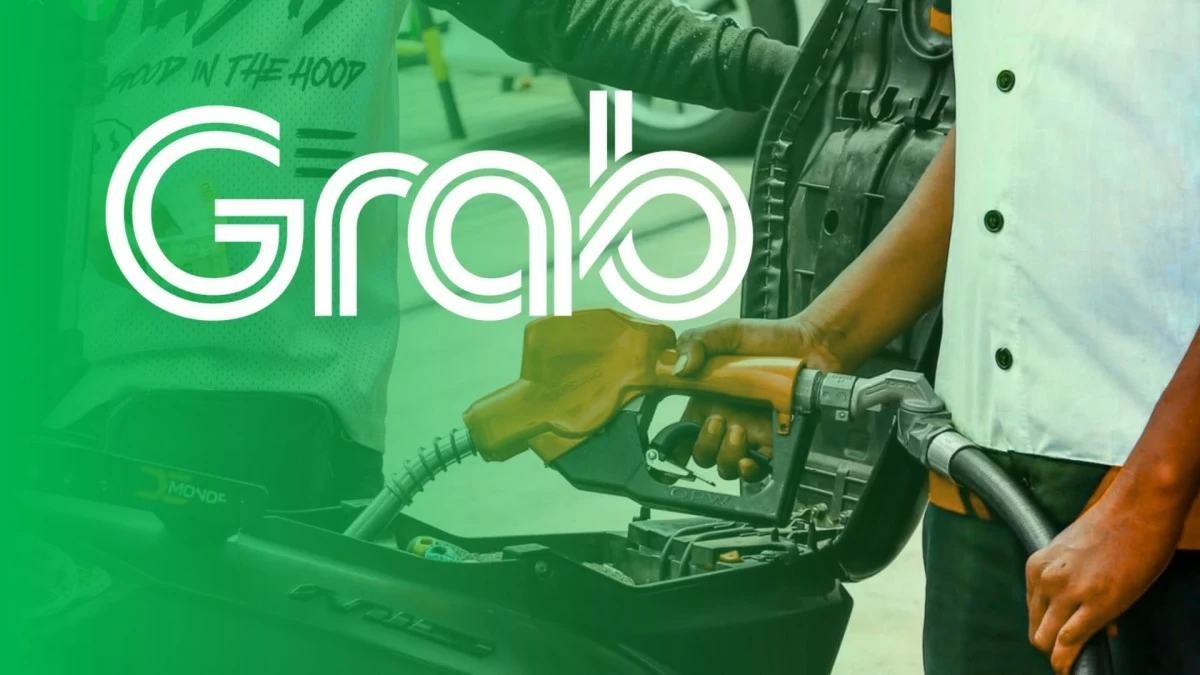
Ride-hailing company Grab Philippines is rolling out a nationwide fuel discount program aimed at cushioning the impact of rising fuel costs on drivers and motorcycle taxi riders.
In a statement on Wednesday, June 25, the company announced the launch of a fuel resilience package specifically designed for its “most active” drivers and riders.
Grab Philippines said this would include exclusive fuel discounts through partner fuel stations and in-app features that support fuel-efficient driving.
Grab Philippines Managing Director Ronald Roda said helping drivers and riders manage costs more effectively will enable the company to continue offering affordable options for commuters.
Roda said this ensures the sustained availability of GrabCar Saver, which is the most affordable ride-hailing option in Grab’s mobile application.
“Affordability remains a core principle for us. By supporting our partners through the rising cost of fuel, we’re also protecting our passengers—ensuring that the cost of transport remains accessible, especially for everyday Filipinos,” he said.
Roda added that the company seeks to contribute long-term solutions to make the Philippines more resilient to external volatility.
Fuel prices are surging this week due to tensions in the Middle East, particularly with the potential disruption of the Strait of Hormuz, which is a critical route for oil and gas shipping.
Grab Philippines announced that it is seeking to partner with the Department of Transportation (DOTr) to provide targeted fuel subsidies through GrabPay for transport network vehicle service (TNVS) and motorcycle taxi drivers.
Beyond subsidies, the company has committed to accelerating the rollout of its electric vehicle (EV) taxi fleet through partnerships with EV manufacturers and the government.
Grab Philippines recently launched its all-electric taxi fleet in Metro Manila, with plans to expand the service in other parts of the country already underway.
“As global conditions grow more complex, we also see the value in broadening our approach—combining traditional and alternative solutions to provide drivers and commuters with greater long-term stability,” said Roda.
“We may not control the price of oil, but we can shape how we respond—as a platform, an industry, and a nation,” he added.