ADVERTISEMENT

Death by misinformation

Published Jun 25, 2025 12:05 am  |  Updated Jun 24, 2025 04:20 pm
OF TREES AND FOREST
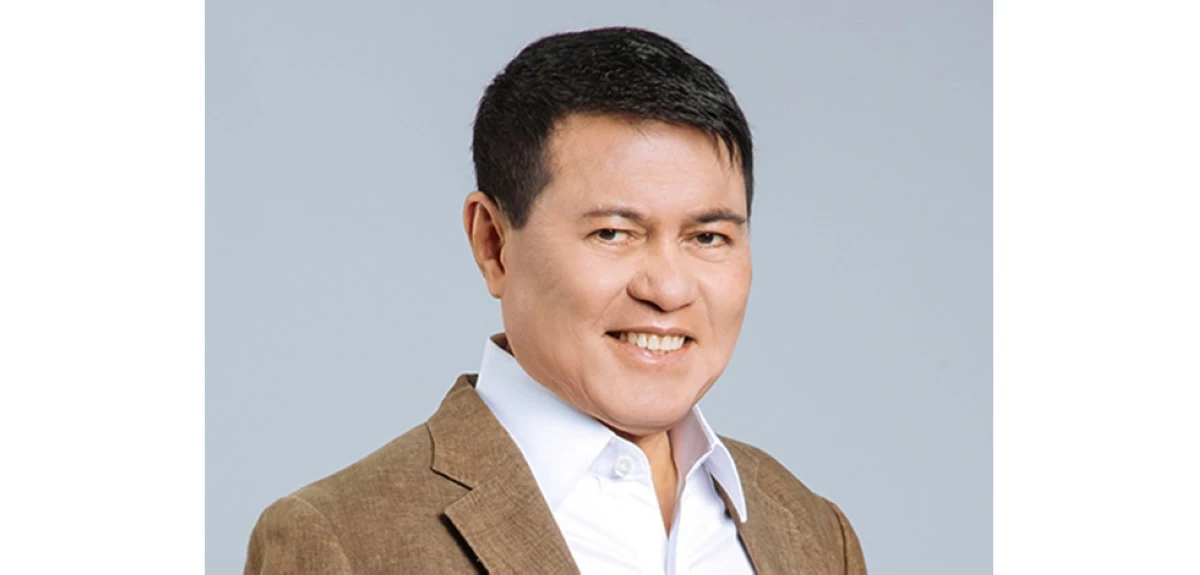
I’m writing this not from the afterlife, but from the lobby of Brittany Hotel in Villar City, with a cup of coffee and a couple of hardboiled eggs on my table, and a smile on my face. I find it amusing that I have had to prove to the world of social media that I am still alive. I had to post a proof of life photo last week in response to viral rumors on the internet that I was sick and have died in Singapore.
Even more amusing is the fact that this is not the first time social media has “killed” me. There was also a rumor about my demise February of this year. And I remember about four or five years ago news about my death in Brazil and Singapore also circulated on social media. So aside from “dying” multiple times I have also experienced multiple digital resurrections.
Death hoaxes are not new, of course. It has happened in the past even before the advent of the internet and social media. I remember the famous death hoax involving Paul McCartney of The Beatles. I was probably in my late teens when a conspiracy theory circulated that McCartney died in a car wash and that The Beatles decided to hide the news by replacing him with the person who won a Paul McCartney lookalike contest.
And then there was the case of American humorist and author Mark Twain who had to proclaim in The New York Journal that, “The report of my death was an exaggeration.”
The first time it happened to me I found it amusing. I think we just laughed it off. But as the death hoaxes happen over and over again it becomes a bit annoying, still hilarious but exasperating nevertheless to have to prove that you are still alive and kicking. Why people would spend so much time perpetuating death hoaxes instead of doing something productive is beyond me.
The first time I heard about my purported death I asked myself, “Why would someone do that?” Do they actually want me to die? Is there someone or some group behind these misinformation drives? I guess this is just the result of the times we live in. On a positive note, whenever the fake news of my death becomes viral, I get a lot of messages from loved ones, friends and other acquaintances asking me if I was okay. So at least I know that there are people who care about my well-being.
These recurring death hoaxes amplify what I have been saying about the social media age—now, more than ever, we need to be vigilant and more discerning about the information we get. We are all familiar with the saying that “information is power.” And that is absolutely true. Having access to knowledge provides us with the ability to make the right decisions and take the correct actions.
This is true in business where information enables businesses to build consumer trust, avoid losses and manage crisis situation, and more importantly, make decisions that will make your enterprise grow. This adage is even more significant in a democracy because citizens need accurate and reliable information to make educated choices not only during elections but also in order to participate meaningfully in governance.
Unfortunately, the maxim “information is power” demands accessible and accurate information. False information is extremely dangerous in the hands of people with bad intentions. Accurate information will allow you to make good decisions; false information can create confusion, misunderstanding and worse, sow division and polarize people. The speed with which information spreads is what makes the technological advances we have recently experienced awesome. It is the same speed that makes it terrifying. False information can spread like wildfire. The truth, unfortunately, is not as fast because some people are afraid to face the truth and admit their own bias and mistake.
I’m certain this would not be the last time I will be proclaimed “dead” by social media. I’m also convinced that disinformation will not disappear anytime soon. There will always be unscrupulous individuals who would peddle lies in order to achieve some nefarious ends. And so the burden shifts to the public. We need people who are educated, critical, responsible, and discerning of the information floating around our digital world.
For comments, please send email to: [email protected] and/or http://www.mannyvillar.com.
ADVERTISEMENT
.most-popular .layout-ratio{ padding-bottom: 79.13%; } @media (min-width: 768px) and (max-width: 1024px) { .widget-title { font-size: 15px !important; } }

{{ articles_filter_1561_widget.title }}

.most-popular .layout-ratio{ padding-bottom: 79.13%; } @media (min-width: 768px) and (max-width: 1024px) { .widget-title { font-size: 15px !important; } }

{{ articles_filter_1562_widget.title }}

.most-popular .layout-ratio{ padding-bottom: 79.13%; } @media (min-width: 768px) and (max-width: 1024px) { .widget-title { font-size: 15px !important; } }

{{ articles_filter_1563_widget.title }}

{{ articles_filter_1564_widget.title }}

.mb-article-details { position: relative; } .mb-article-details .article-body-preview, .mb-article-details .article-body-summary{ font-size: 17px; line-height: 30px; font-family: "Libre Caslon Text", serif; color: #000; } .mb-article-details .article-body-preview iframe , .mb-article-details .article-body-summary iframe{ width: 100%; margin: auto; } .read-more-background { background: linear-gradient(180deg, color(display-p3 1.000 1.000 1.000 / 0) 13.75%, color(display-p3 1.000 1.000 1.000 / 0.8) 30.79%, color(display-p3 1.000 1.000 1.000) 72.5%); position: absolute; height: 200px; width: 100%; bottom: 0; display: flex; justify-content: center; align-items: center; padding: 0; } .read-more-background a{ color: #000; } .read-more-btn { padding: 17px 45px; font-family: Inter; font-weight: 700; font-size: 18px; line-height: 16px; text-align: center; vertical-align: middle; border: 1px solid black; background-color: white; } .hidden { display: none; }
function initializeAllSwipers() { // Get all hidden inputs with cms_article_id document.querySelectorAll('[id^="cms_article_id_"]').forEach(function (input) { const cmsArticleId = input.value; const articleSelector = '#article-' + cmsArticleId + ' .body_images'; const swiperElement = document.querySelector(articleSelector); if (swiperElement && !swiperElement.classList.contains('swiper-initialized')) { new Swiper(articleSelector, { loop: true, pagination: false, navigation: { nextEl: '#article-' + cmsArticleId + ' .swiper-button-next', prevEl: '#article-' + cmsArticleId + ' .swiper-button-prev', }, }); } }); } setTimeout(initializeAllSwipers, 3000); const intersectionObserver = new IntersectionObserver( (entries) => { entries.forEach((entry) => { if (entry.isIntersecting) { const newUrl = entry.target.getAttribute("data-url"); if (newUrl) { history.pushState(null, null, newUrl); let article = entry.target; // Extract metadata const author = article.querySelector('.author-section').textContent.replace('By', '').trim(); const section = article.querySelector('.section-info ').textContent.replace(' ', ' '); const title = article.querySelector('.article-title h1').textContent; // Parse URL for Chartbeat path format const parsedUrl = new URL(newUrl, window.location.origin); const cleanUrl = parsedUrl.host + parsedUrl.pathname; // Update Chartbeat configuration if (typeof window._sf_async_config !== 'undefined') { window._sf_async_config.path = cleanUrl; window._sf_async_config.sections = section; window._sf_async_config.authors = author; } // Track virtual page view with Chartbeat if (typeof pSUPERFLY !== 'undefined' && typeof pSUPERFLY.virtualPage === 'function') { try { pSUPERFLY.virtualPage({ path: cleanUrl, title: title, sections: section, authors: author }); } catch (error) { console.error('ping error', error); } } // Optional: Update document title if (title && title !== document.title) { document.title = title; } } } }); }, { threshold: 0.1 } ); function showArticleBody(button) { const article = button.closest("article"); const summary = article.querySelector(".article-body-summary"); const body = article.querySelector(".article-body-preview"); const readMoreSection = article.querySelector(".read-more-background"); // Hide summary and read-more section summary.style.display = "none"; readMoreSection.style.display = "none"; // Show the full article body body.classList.remove("hidden"); } document.addEventListener("DOMContentLoaded", () => { let loadCount = 0; // Track how many times articles are loaded const offset = [1, 2, 3, 4, 5, 6, 7, 8, 9, 10]; // Offset values const currentUrl = window.location.pathname.substring(1); let isLoading = false; // Prevent multiple calls if (!currentUrl) { console.log("Current URL is invalid."); return; } const sentinel = document.getElementById("load-more-sentinel"); if (!sentinel) { console.log("Sentinel element not found."); return; } function isSentinelVisible() { const rect = sentinel.getBoundingClientRect(); return ( rect.top < window.innerHeight && rect.bottom >= 0 ); } function onScroll() { if (isLoading) return; if (isSentinelVisible()) { if (loadCount >= offset.length) { console.log("Maximum load attempts reached."); window.removeEventListener("scroll", onScroll); return; } isLoading = true; const currentOffset = offset[loadCount]; window.loadMoreItems().then(() => { let article = document.querySelector('#widget_1690 > div:nth-last-of-type(2) article'); intersectionObserver.observe(article) loadCount++; }).catch(error => { console.error("Error loading more items:", error); }).finally(() => { isLoading = false; }); } } window.addEventListener("scroll", onScroll); });

Sign up by email to receive news.