






Manila Bulletin
 Philippines
National
Romualdez on expanded PhilHealth benefits: Big win for ordinary Pinoys
Philippines
National
Romualdez on expanded PhilHealth benefits: Big win for ordinary Pinoys
Philippines
National
Romualdez on expanded PhilHealth benefits: Big win for ordinary Pinoys
Romualdez on expanded PhilHealth benefits: Big win for ordinary Pinoys
Published Jun 24, 2025 12:42 pm


At A Glance
- A big win for ordinary Filipino citizens. That's how House Speaker Martin Romualdez described the latest expansion of the benefit packages of state-owned Philippine Health Insurance Corporation (PhilHealth).
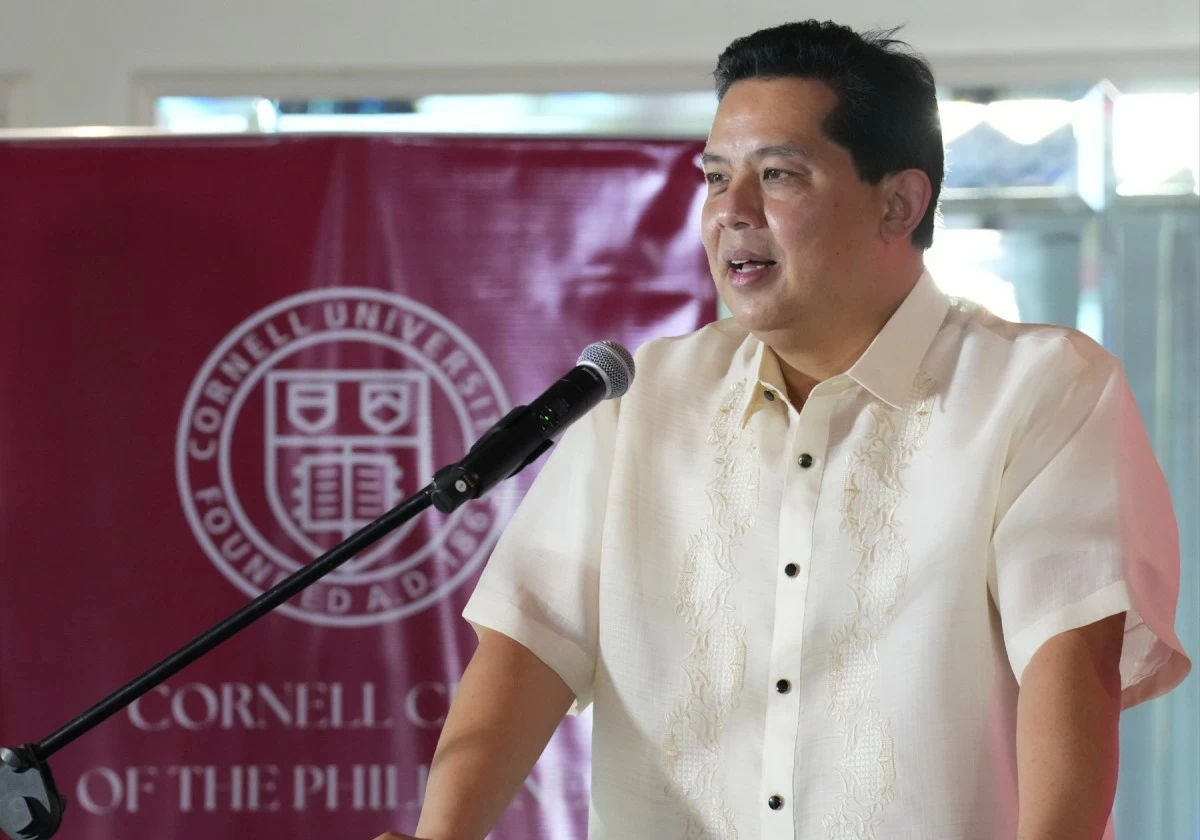
House Speaker Martin Romualdez (Speaker’s office)
A big win for ordinary Filipino citizens.
That's how House Speaker Martin Romualdez described the latest expansion of the benefit packages of state-owned Philippine Health Insurance Corporation (PhilHealth).
“This is a big win for ordinary Filipinos. Para sa mga kababayan nating matagal nang nabibigatan sa gastos sa gamutan—ito po ang resulta ng pagtutulungan ng Kongreso, ng PhilHealth, at ng buong pamahalaan,” Romualdez said in a statement Tuesday, June 24.
(For our fellow citizens who have long been burdened by medical expenses—this is the result of the collective efforts of Congress, PhilHealth, and the entire government.)
The Speaker has consistently pushed for reforms in the national health insurance system to respond to the actual needs of patients and their families. He said the new PhilHealth benefits directly address long-standing concerns raised by the House of Representatives during hearings, consultations, and dialogues with stakeholders.
Among the most urgent concerns addressed is dialysis support. PhilHealth has increased coverage for hemodialysis sessions from 90 to 156 per year, enough to sustain the recommended three treatments per week.
More importantly, the reimbursement per session has been raised from ₱2,600 to ₱6,350—bringing total annual support for dialysis patients to nearly ₱1 million.
“Alam ko ang hirap ng pamilya kapag may pasyenteng nagda-dialysis—madalas, kailangan mamili kung magpapagamot o kakain. Ngayon, hindi na sila kailangang mamili,” Speaker Romualdez said.
(I understand how hard it is for families when a loved one needs dialysis—often, they have to choose between getting treatment or putting food on the table. Now, they no longer have to make that choice.)
Peritoneal dialysis benefits were also raised to ₱500,000 annually for adults and ₱1.2 million for children. Pediatric kidney transplants are now covered up to ₱2.1 million, while adult transplants will receive over ₱1 million in total coverage—including post-transplant care, lab tests, and essential medicines.
“These are life-changing numbers. But more importantly, these are lifelines for families who have been praying for relief,” Romualdez said.
The Speaker also praised PhilHealth’s rollout of facility-based outpatient emergency care, a reform he pushed to make sure emergency room visits are covered even if the patient is not admitted. This addresses the common situation where patients are forced to leave the ER without treatment because they cannot afford the fees.
“Hindi na kailangang maghintay pa na lumala ang kalagayan para lang masabing may PhilHealth coverage. Lahat ng may emergency ay may karapatang matulungan (There’s no need to wait for a situation to worsen just to claim PhilHealth coverage. Everyone in an emergency has the right to receive help),” Romualdez, Lakas-Christian Muslim Democrats (Lakas-CMD) said.
Heart ailment package
On top of that, PhilHealth has expanded support for heart-related conditions—another advocacy point raised by the House.
The benefit now includes ₱130,000 for non-surgical treatment of heart attacks, up to ₱530,000 for procedures like angioplasty, and coverage for cardiac rehabilitation and ambulance transport.
“Kapag puso ang may problema, dapat maagapan. Ang puso ay hindi puwedeng ipagpaliban (When the heart is in trouble, it must be treated promptly. The heart is not something that can be put off),” the Speaker added.
Romualdez emphasized that these reforms are the result of months of close coordination between the House of Representatives, PhilHealth, and the Department of Health (DOH).
“Our goal is simple: no Filipino should be denied health care because of poverty. And today, we move one step closer to that goal.”
He also reiterated his call for further reforms, including a review of PhilHealth’s charter so it can function more like a true health partner, capable of covering 50% or more of private hospital expenses, and providing preventive services such as free X-rays, mammograms, HPV vaccines, and lab tests.