ADVERTISEMENT

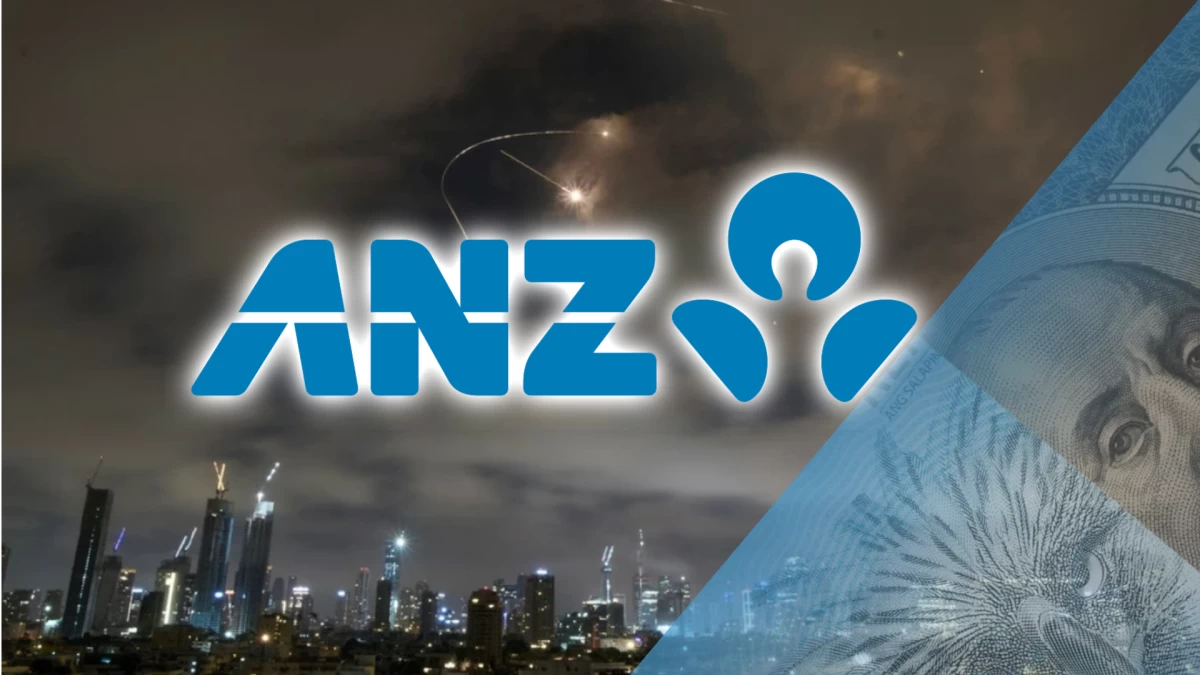
Middle East conflict hits Philippine peso hard— ANZ

Israel-Iran conflict a temporary pressure

Published Jun 24, 2025 11:32 am  |  Updated Jun 24, 2025 01:30 pm
Australia and New Zealand Banking Group (ANZ) said the Philippine peso has been among the worst-performing Asian currencies following the direct attack of the United States (US) on Iranian nuclear facilities over the weekend.
Alongside the peso, South Korean Won (KRW) and Thai Baht (THB) have also been losing footing against the US dollar, which is not a surprising development, according to ANZ.
“Not surprisingly KRW, THB and PHP have been the worst performing currencies so far following the US attack on Iran,” ANZ head of Asia research Khoon Goh and Asia economist Krystal Tan said in commentary released on Monday, June 23—the first trading day after the direct involvement of the US in the Middle East conflict.
Data from the Bankers Association of the Philippines (BAP) showed that the peso weakened further to ₱57.58 against the US dollar on Monday. It was 41 centavos weaker than its previous finish on Friday last week,
Data showed that it was the peso’s weakest closing since March 26, when it ended at ₱57.69 against the greenback.
“We could see more nearterm strength in the US dollar as geopolitical risks escalate, due to a short squeeze as short dollar positioning gets unwound,” Goh and Tan said, adding that this has been observed since the crossfire was ignited on June 13. Most Asian currencies, in turn, have been slumping.
Historically, when oil prices rise, Asian currencies also tend to rise. “But only if the rise in oil is driven by stronger global growth,” Goh and Tan said.
“Since Asia’s growth is primarily driven by exports, better global growth that tends to lift oil prices will also be good for the region’s growth and hence its currencies,” they explained.
“However, if oil price increases are driven by supply shocks or geopolitical turmoil, as in the case in 2022 and the present situation, then the correlation reverses and Asian currencies tend to come under pressure,” they added.
As such, the peso and other Asian currencies have been facing pressure while the Middle East conflict progresses. However, Goh and Tan said that this shock tends to be “short-lived.”
Goh and Tan assured that “once the current geopolitical storm passes, we can expect Asian currencies to recover.”
On inflation, ANZ said the US military intervention—its first “action against Iran’s nuclear infrastructure in decades—has heightened the risks that the crude oil market will face supply disruptions.
According to Goh and Tan, the escalation of the Israel-Iran conflict might trigger oil price inflation globally, a threat to Asian economies, “most of which are net oil importers.”
“A key concern is if the conflict escalates to involve direct attacks on commercial shipping, oil export infrastructure or a closure of the Strait of Hormuz, which could disrupt roughly 20 percent of global oil flows,” they stressed.
In the Philippines, gasoline pump prices this week could be five percent higher than the level seen last Month, latest industry guidance suggested.
“While the Philippines and mainland China have seen a larger rise in pump prices, vehicle fuels make up a smaller share of their inflation basket,” Goh and Tan said. The expected oil price hike locally is seen to account for just 0.1 percent of the headline inflation.

Related Tags

Australia and New Zealand Banking Group (ANZ)
ADVERTISEMENT
.most-popular .layout-ratio{ padding-bottom: 79.13%; } @media (min-width: 768px) and (max-width: 1024px) { .widget-title { font-size: 15px !important; } }

{{ articles_filter_1561_widget.title }}

.most-popular .layout-ratio{ padding-bottom: 79.13%; } @media (min-width: 768px) and (max-width: 1024px) { .widget-title { font-size: 15px !important; } }

{{ articles_filter_1562_widget.title }}

.most-popular .layout-ratio{ padding-bottom: 79.13%; } @media (min-width: 768px) and (max-width: 1024px) { .widget-title { font-size: 15px !important; } }

{{ articles_filter_1563_widget.title }}

{{ articles_filter_1564_widget.title }}

.mb-article-details { position: relative; } .mb-article-details .article-body-preview, .mb-article-details .article-body-summary{ font-size: 17px; line-height: 30px; font-family: "Libre Caslon Text", serif; color: #000; } .mb-article-details .article-body-preview iframe , .mb-article-details .article-body-summary iframe{ width: 100%; margin: auto; } .read-more-background { background: linear-gradient(180deg, color(display-p3 1.000 1.000 1.000 / 0) 13.75%, color(display-p3 1.000 1.000 1.000 / 0.8) 30.79%, color(display-p3 1.000 1.000 1.000) 72.5%); position: absolute; height: 200px; width: 100%; bottom: 0; display: flex; justify-content: center; align-items: center; padding: 0; } .read-more-background a{ color: #000; } .read-more-btn { padding: 17px 45px; font-family: Inter; font-weight: 700; font-size: 18px; line-height: 16px; text-align: center; vertical-align: middle; border: 1px solid black; background-color: white; } .hidden { display: none; }
function initializeAllSwipers() { // Get all hidden inputs with cms_article_id document.querySelectorAll('[id^="cms_article_id_"]').forEach(function (input) { const cmsArticleId = input.value; const articleSelector = '#article-' + cmsArticleId + ' .body_images'; const swiperElement = document.querySelector(articleSelector); if (swiperElement && !swiperElement.classList.contains('swiper-initialized')) { new Swiper(articleSelector, { loop: true, pagination: false, navigation: { nextEl: '#article-' + cmsArticleId + ' .swiper-button-next', prevEl: '#article-' + cmsArticleId + ' .swiper-button-prev', }, }); } }); } setTimeout(initializeAllSwipers, 3000); const intersectionObserver = new IntersectionObserver( (entries) => { entries.forEach((entry) => { if (entry.isIntersecting) { const newUrl = entry.target.getAttribute("data-url"); if (newUrl) { history.pushState(null, null, newUrl); let article = entry.target; // Extract metadata const author = article.querySelector('.author-section').textContent.replace('By', '').trim(); const section = article.querySelector('.section-info ').textContent.replace(' ', ' '); const title = article.querySelector('.article-title h1').textContent; // Parse URL for Chartbeat path format const parsedUrl = new URL(newUrl, window.location.origin); const cleanUrl = parsedUrl.host + parsedUrl.pathname; // Update Chartbeat configuration if (typeof window._sf_async_config !== 'undefined') { window._sf_async_config.path = cleanUrl; window._sf_async_config.sections = section; window._sf_async_config.authors = author; } // Track virtual page view with Chartbeat if (typeof pSUPERFLY !== 'undefined' && typeof pSUPERFLY.virtualPage === 'function') { try { pSUPERFLY.virtualPage({ path: cleanUrl, title: title, sections: section, authors: author }); } catch (error) { console.error('ping error', error); } } // Optional: Update document title if (title && title !== document.title) { document.title = title; } } } }); }, { threshold: 0.1 } ); function showArticleBody(button) { const article = button.closest("article"); const summary = article.querySelector(".article-body-summary"); const body = article.querySelector(".article-body-preview"); const readMoreSection = article.querySelector(".read-more-background"); // Hide summary and read-more section summary.style.display = "none"; readMoreSection.style.display = "none"; // Show the full article body body.classList.remove("hidden"); } document.addEventListener("DOMContentLoaded", () => { let loadCount = 0; // Track how many times articles are loaded const offset = [1, 2, 3, 4, 5, 6, 7, 8, 9, 10]; // Offset values const currentUrl = window.location.pathname.substring(1); let isLoading = false; // Prevent multiple calls if (!currentUrl) { console.log("Current URL is invalid."); return; } const sentinel = document.getElementById("load-more-sentinel"); if (!sentinel) { console.log("Sentinel element not found."); return; } function isSentinelVisible() { const rect = sentinel.getBoundingClientRect(); return ( rect.top < window.innerHeight && rect.bottom >= 0 ); } function onScroll() { if (isLoading) return; if (isSentinelVisible()) { if (loadCount >= offset.length) { console.log("Maximum load attempts reached."); window.removeEventListener("scroll", onScroll); return; } isLoading = true; const currentOffset = offset[loadCount]; window.loadMoreItems().then(() => { let article = document.querySelector('#widget_1690 > div:nth-last-of-type(2) article'); intersectionObserver.observe(article) loadCount++; }).catch(error => { console.error("Error loading more items:", error); }).finally(() => { isLoading = false; }); } } window.addEventListener("scroll", onScroll); });

Sign up by email to receive news.