







Israel borders with Jordan, Egypt to remain open — envoy
Published Jun 24, 2025 02:47 pm


Israel still has no plans of closing its borders with Jordan and Egypt to give way for the repatriation of foreign nationals as its neighbors started considering closing its airspaces due to continued escalation of tension that now included the United States.
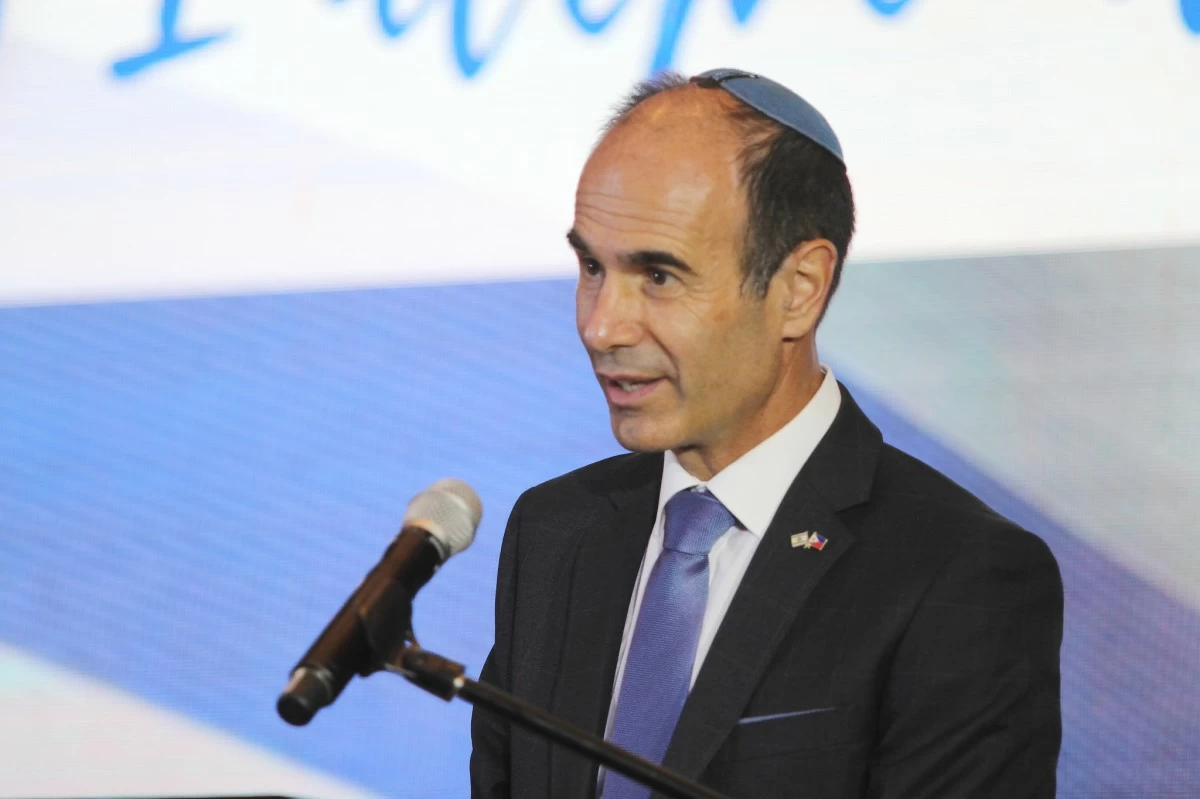
Ambassador Ilan Fluss
Israel's envoy to Manila, Ambassador Ilan Fluss, said borders are still open as the number of Filipinos wanting to go home is increasing. Jordan, located east of Israel, and Egypt, located on the south, are the traditional exit points of foreign nationals from Israel every time it closes its airspace.
According to the Department of Foreign Affairs (DFA), there are now at least 223 Filipinos who sought repatriation.
With Iran's recent bombardment of a US military base in Qatar that stemmed from US first direct participation in the war after it attacked three Iranian nuclear facilities, Fluss said there's always a risk for everybody.
But for borders, he said he does not think they are under any special risk.
“We have all the safety mechanisms, in safety rooms in those crossings, in case of an attack in that area,” the ambassador said in a roundtable discussion with the media on Tuesday, June 24.
“Generally speaking, until now, the crossings are fully operational. And there is no intention to close them,” he added, giving assurance that leaving the country is still a possibility as many more countries, such as Bahrain, Kuwait, Saudi Arabia, Lebanon, and Jordan, temporarily shut down their airspaces on Monday night.
Meanwhile, Fluss said overseas Filipino workers (OFWs) who will decide to return to Israel upon their repatriation to the Philippines are still welcome.
The Israeli government would not also hinder their departure if they want to get back to the Philippines.
“If people would like to resign and end the jobs and the contracts and move back to the Philippines or to any other country, of course they can do so,” he said.
“And we are not putting any obstacles, and there is a very clear process on how to do it,” he added.