






Manila Bulletin
 Philippines
National
Teachers' group slams Marcos' proposed evaluation system as 'grossly unfair'
Philippines
National
Teachers' group slams Marcos' proposed evaluation system as 'grossly unfair'
Philippines
National
Teachers' group slams Marcos' proposed evaluation system as 'grossly unfair'
Teachers' group slams Marcos' proposed evaluation system as 'grossly unfair'
Calls grow to restore old teacher appraisal system amid low pay, poor working conditions
Published Jun 23, 2025 11:59 am


At A Glance
- For the Teachers' Dignity Coalition (TDC), President Marcos' proposal to tie teacher performance ratings to student academic outcomes is "grossly unfair" and likely to demoralize educators already burdened by low pay, heavy workloads, and inadequate support.
- The group urged the government to first address systemic issues—such as classroom shortages, lack of teaching resources, overcrowded classes, and student hunger—that are beyond teachers' control, before implementing stricter evaluation measures.
- TDC also reiterated its call to reinstate the previous evaluation system, which it described as "more objective and reflective" of actual teaching conditions.
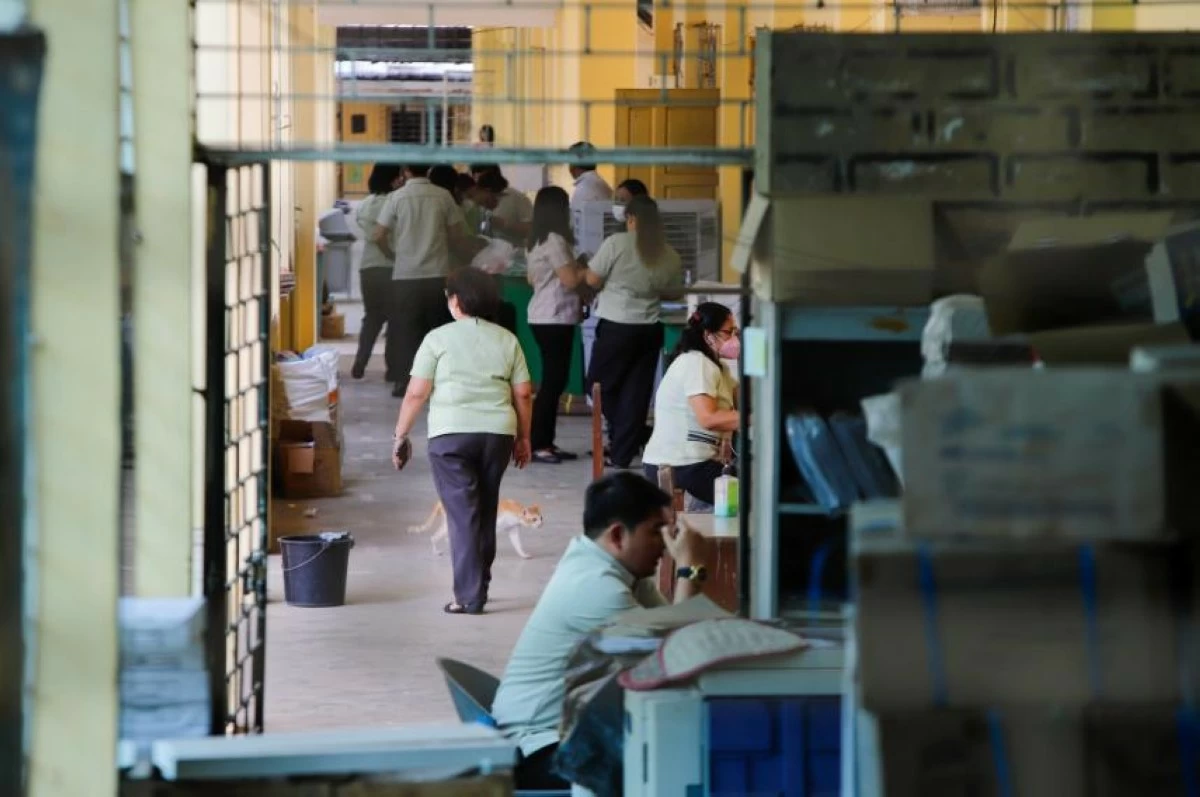
Teachers’ Dignity Coalition (TDC) criticizes President Marcos’ proposed teacher evaluation system as unfair and demoralizing, urging reforms in classroom conditions first. (MB file photo)
A teachers’ group on Monday, June 23, denounced President Marcos’ proposed performance-based evaluation system for teachers, calling it “grossly unfair” and potentially demoralizing to educators already struggling with low pay, heavy workloads, and lack of support.
The Teachers' Dignity Coalition (TDC) raised concerns after the President suggested that teachers’ performance ratings could be tied to their students’ academic achievement.
“Hindi naman masama kung isama ang test results sa batayan ng performance ng mga guro, pero unahin natin ang mga kailangang ayusin—classrooms, sapat na kagamitan, hindi siksikan ang mga bata at hindi sila gutom sa pagpasok sa school (It's not necessarily wrong to consider test results, but we should fix classrooms, resources, overcrowding, and hunger first),” said TDC National Chairperson Benjo Basas.
TDC: Fix the system first
Basas emphasized that while it's not inherently wrong to include student outcomes in evaluations, teachers cannot be held solely accountable for factors outside their control—such as poor infrastructure, resource shortages, and student welfare issues.
“Pinakamahalaga, hindi kinukuba sa trabaho ang mga guro at dapat may sapat na sahod at benepisyo (Most importantly, teachers shouldn’t be overworked and must receive fair pay and benefits),” Basas said.
The TDC urged the government to address systemic issues in the education sector before introducing stricter evaluation systems.
Educators bear the burden
TDC expressed concern that the proposed evaluation system could pave the way for “blame and punitive measures” against teachers, shifting responsibility for systemic failures onto the teaching force.
“Sa ngayon nga, mga guro na ang nag-aabono sa kakulangan ng gobyerno (Even now, teachers are filling in for the government's shortcomings),” Basas said.
During the annual Brigada Eskwela (National Schools Maintenance Week), teachers often pay for classroom repairs, learning materials, and even snacks for students, Basas said—pointing out the unfair burden already shouldered by educators.
Call to reinstate the old evaluation system
In light of these developments, TDC renewed its call to restore the Performance Appraisal System for Teachers (PAST), which it described as a more straightforward and objective system.
Unlike the current Results-Based Performance Management System (RPMS) and the transitional Performance Management and Evaluation System (PMES), the PAST included pre-test and post-test metrics and reflected actual teaching conditions, according to TDC.
TDC criticized the RPMS and PMES as “unnecessarily complicated” and said they have been used to pressure teachers into excessive documentation just to secure decent ratings.
“Mas masama pa, nagamit ito sa pagsasamantala at panggigipit sa mga guro (Worse, these systems have been used to exploit and harass teachers),” Basas said.
What teachers want
The group stressed the following priorities for a fair and effective teacher evaluation system: adequate classrooms and learning materials, smaller class sizes, well-fed and supported students, higher teacher salaries and reduced workload, and simplified and transparent performance appraisal systems.
The TDC's strong reaction underscores ongoing tensions over education reforms under the Marcos administration.
As the government pursues policy changes in public education, teacher groups are calling for a more holistic and realistic approach—one that starts by fixing foundational problems in the school system before imposing performance-based accountability.
Teachers’ Dignity Coalition (TDC) criticizes President Marcos’ proposed teacher evaluation system as unfair and demoralizing, urging reforms in classroom conditions first.