






Manila Bulletin
 Philippines
National
Salceda on Israel-Iran fuel price panic: 'That's what we get for being importers'
Philippines
National
Salceda on Israel-Iran fuel price panic: 'That's what we get for being importers'
Philippines
National
Salceda on Israel-Iran fuel price panic: 'That's what we get for being importers'
Salceda on Israel-Iran fuel price panic: 'That's what we get for being importers'
Published Jun 23, 2025 06:00 am


At A Glance
- For Albay 2nd district Rep. Joey Salceda, the consequence of the Philippines' dependence on fuel imports is playing in real time on the threater of the worsening Israel-Iran conflict.
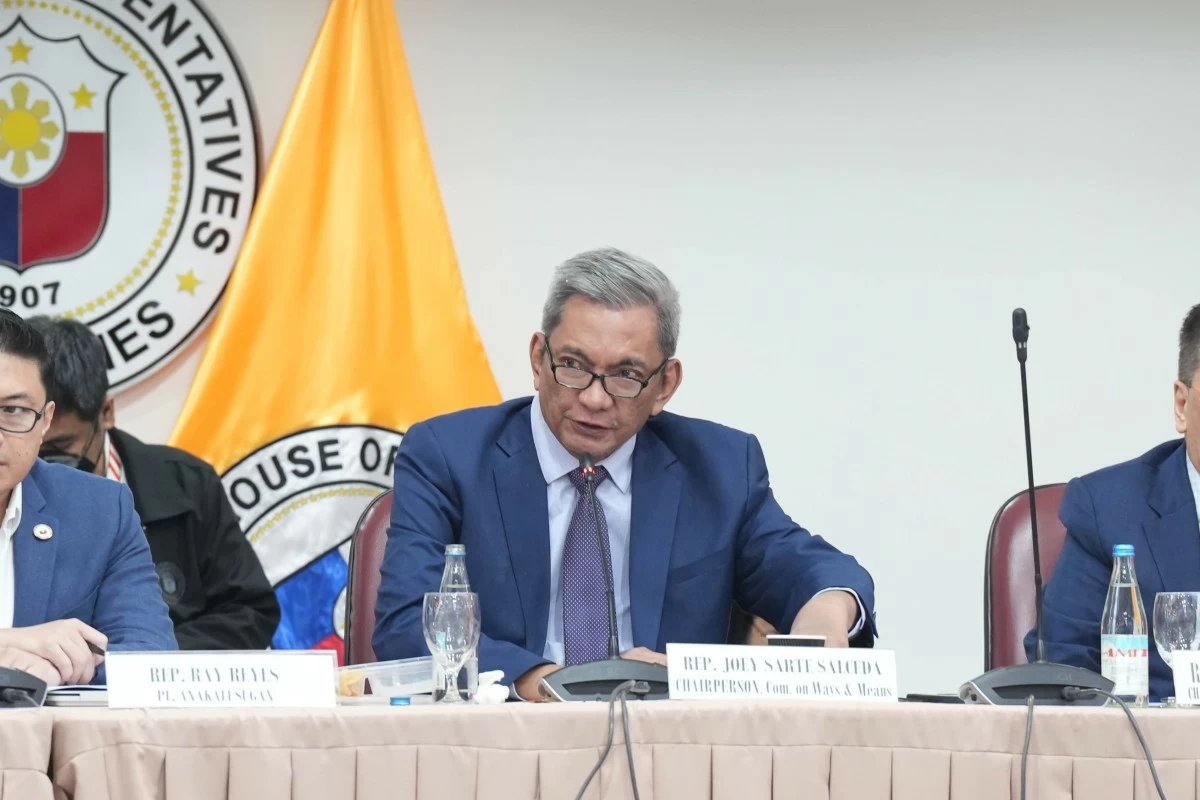
Albay 2nd district Rep. Joey Salceda (PPAB)
For Albay 2nd district Rep. Joey Salceda, the consequence of the Philippines' dependence on fuel imports is playing in real time on the threater of the worsening Israel-Iran conflict.
This, as country faces close to a P5-per-liter hike on pump fuel prices this week, with the involvement of the United States (US) in the brewing war sending jitters in the oil-rich Middle East and beyond.
Iran’s allies in the Red Sea area might try to get involved. This could mean small attacks on shipping routes or actions meant to send a message. Even without major attacks, the threat alone could raise shipping costs and cause delays, Salceda said in a statement Sunday night, June 22.
That would affect the price of oil and food coming into the Philippines. That’s what we get for being dependent on imports of food and fuel, said the economist-solon.
Right now, world oil prices are in the high 70s in US dollars per barrel. If things get worse in the region, prices could go above 80. When oil gets more expensive and the peso is weak, it costs more to import fuel, he explained.
Every 10 dollar increase in oil prices could raise inflation in the Philippines by as much as 0.5 percentage points for poor households, depending on how the government handles subsidies, he noted.
According to Salceda, the excise tax suspension trigger doesn’t activate until an average of three months can be obtained. So that’s not yet in the horizon, he said.
The Department of Transportation should be ready to release fuel subsidies if prices stay high. Other agencies should keep a close watch on import flows and logistics. The 2026 budget should have all of this in mind, he further said.
And then there's the plight of 30,000 Filipinos in Israel amid the exchange of missle attacks with Iran.
Filipinos in Israel are in danger, especially in areas that could be hit by rockets or caught in the fighting...We should be ready for mass repatriation, even if full scale conflict is still not very likely, Salceda reckoned.
He said the Department of Labor and Employment (DOLE) and the Department of Migrant Workers (DMW) should be ready to bring Filipinos home and assist them.