







Philippine exporters eye new markets as US tariffs loom
Published Jun 23, 2025 12:00 am
|
Updated Jun 21, 2025 03:15 pm


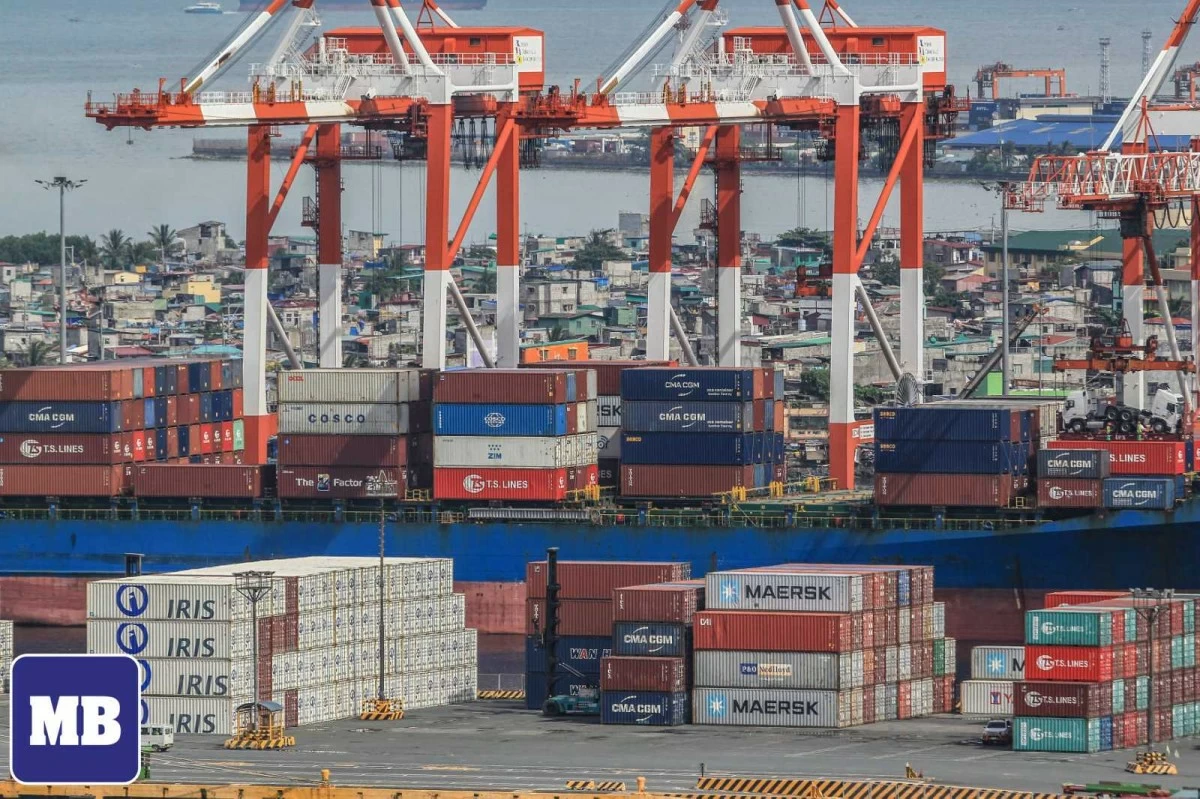
(Manila Bulletin file photo)
With the imminent return of the United States’ (US) reciprocal tariffs, Filipino exporters must explore other markets to mitigate the potential impact of the tax scheme, according to the Philippine Exporters Confederation Inc. (Philexport).
Philexport President Sergio Ortiz-Luis Jr. said exporters should diversify into areas that provide a wide array of opportunities, particularly among the members of the Association of Southeast Asian Nations (ASEAN).
“ASEAN and the rest of Asia indeed offer viable business propositions considering the supply chain disruptions, high logistics costs, and regional production networks that we have already established here,” he said.
Citing government data, Ortiz-Luis said approximately 15 percent of the Philippines’ total export revenue, or around $11.02 billion, was accounted for by exports to ASEAN member states in 2024.
Last year, electronic products were the leading export to the 10-member bloc, notching nearly 60 percent of the total exports.
Electronic products such as semiconductors, as well as information technology and business process management (IT-BPM), are expected to continue growing this year despite the tariff threat.
“Furniture, garments and textiles and coconuts are not as bullish about their exports to the US because of the higher tariffs, especially if their raw materials are sourced from economies that are slapped with bigger tariffs,” said Ortiz-Luis.
“Unfortunately for these sectors and for us, the US comprises the bulk of their market,” he added.
In April, the US government imposed higher reciprocal tariffs against its trading partners, in addition to a baseline 10 percent tariff.
The reciprocal tariffs were put on hold for 90 days, which will end on July 9. If left unchanged, the Philippines is set to face a 17-percent tariff, the second lowest in ASEAN.
Ortiz-Luis said this calls for a review of the country’s positioning in the region following the recent launch of the ASEAN Economic Community (AEC) Strategic Plan 2026-2030.
“Serving as a five-year strategic roadmap, it aims to position our region as the world’s fourth-largest economic bloc by 2030 with a target to double the digital economy to an estimated $2 trillion,” he said.
Aside from ASEAN, he said it is also ideal for the Philippines to explore free trade agreements (FTA) with other countries.
“It is timely that the country started its FTA negotiations with the Middle East, Canada and other countries that promise to open new and significant opportunities for local exporters,” he said.