







DA delays lowering imported rice price amid Mideast tensions
Published Jun 23, 2025 01:39 pm


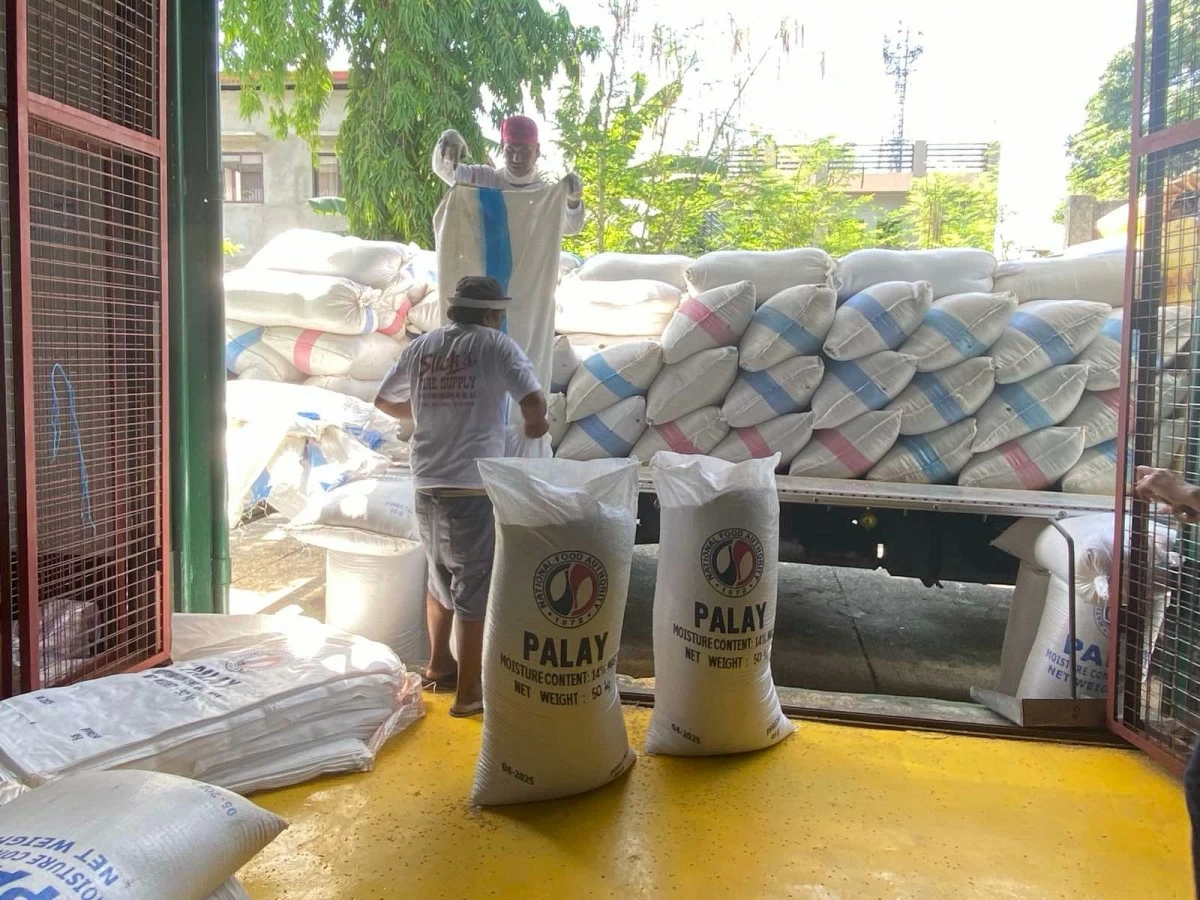
(Dexter Barro II/MANILA BULLETIN)
The Department of Agriculture (DA) is pausing its plan to lower the maximum suggested retail price (MSRP) of imported rice next month, citing global market volatility driven by escalating tensions in the Middle East.
The DA initially planned to lower the MSRP of five-percent broken imported rice from the current ₱45 per kilo to ₱43 beginning July 1.
“We’ll likely delay the rollout by a month or two to gain a clearer picture of where global prices are heading,” said Agriculture Secretary Francisco Tiu Laurel in a statement.
Laurel cited the “heightened geopolitical risks” following the United States’ airstrikes on three nuclear sites in Iran, which could threaten to expand Iran’s conflict with Israel across the region.
Oil prices often become volatile during conflicts in the Middle East, as the region is a major source of the global oil supply.
This week, gasoline prices are expected to rise by ₱2.50 to ₱3.20 per liter, while diesel prices by ₱4.30 to as much as ₱4.80 per liter.
The surge in prices was attributed to Iran’s threat to close the Strait of Hormuz, a critical shipping route for crude shipments.
According to the DA, rising oil prices not only mean higher transportation costs since they also impact agricultural inputs, such as fertilizers.
Natural gas—a key byproduct of oil refining—is essential for producing ammonia, which is a core ingredient in nitrogen-based fertilizers.
Laurel noted that potential increases in fertilizer costs will primarily be felt in the upcoming planting year, as the existing DA-procured supply covers the current season.
Implemented early this year, the MSRP was the government’s measure to maintain the affordability of rice for consumers amid soaring prices.
After an initial limit of ₱58 per kilo, the MSRP dropped to ₱55 on Feb. 5, ₱52 on Feb. 15, ₱49 on Feb. 26, and declined further to ₱45 per kilo on March 31.
The MSRP was also implemented by the DA on locally produced pork to lower retail prices, but has since been lifted because of low compliance among retailers.
Laurel, however, said an MSRP for imported pork is now being planned by the department, with a rollout targeted for August.
The price limit has yet to be determined.
“The market is extremely fluid. Any forecast I make now might not be accurate even an hour later,” he noted.