







Kindness is contagious: Spread it
Published Jun 22, 2025 12:05 am
|
Updated Jun 21, 2025 04:07 pm


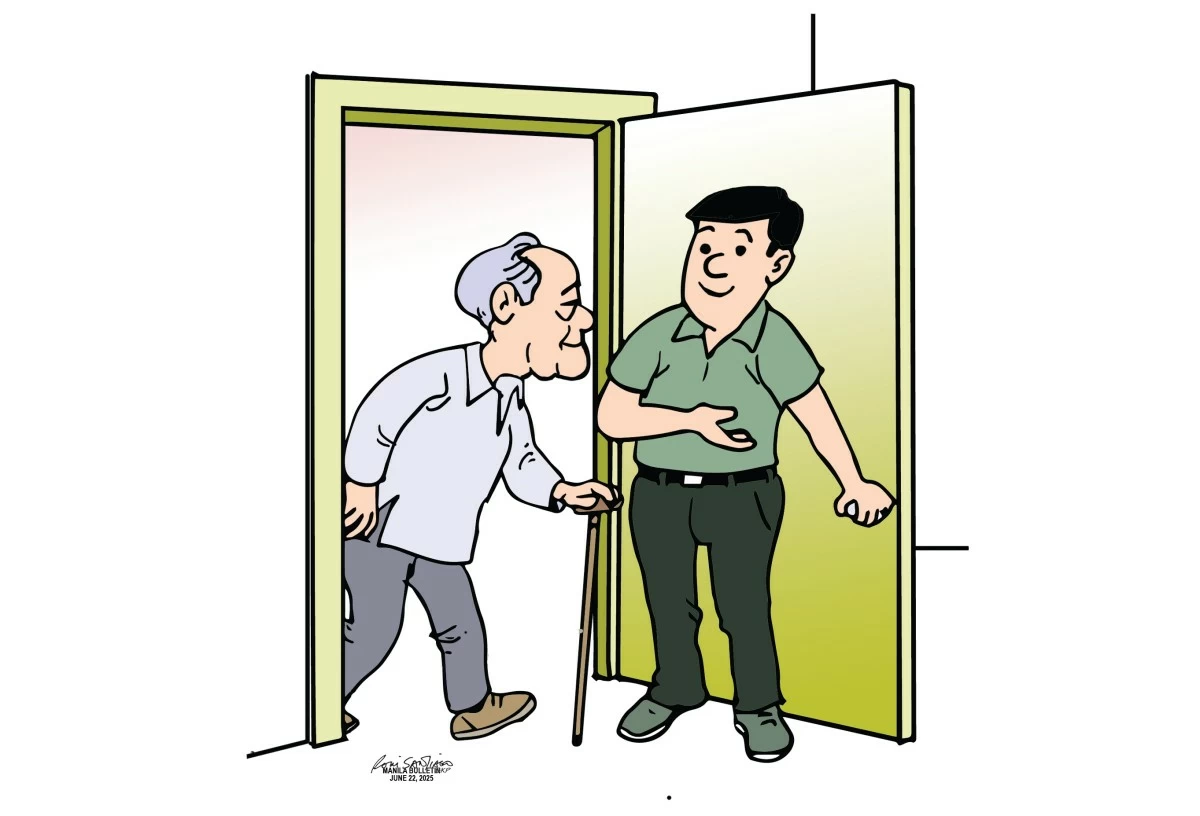
There is a simple, yet powerful act, that a person can do today and that is kindness. It costs nothing but can change everything for at least two people – for the person who gives it and the one who receives it.
A single kind gesture can turn a stranger’s bad day around, mend tension between neighbors, and ripple through communities. Done by more people more often, it can create a culture of respect and empathy. In these times of noise, stress, and quick tempers, kindness is a quiet revolution—and everyone can take part.
Children should grow up witnessing their parents being kind—not just to relatives, but to people they don’t know. Acts of kindness, when modeled consistently, teach the next generation empathy and social responsibility.
Kindness does not need grand gestures or big budgets. It starts with the little things: giving way to a pedestrian at a busy intersection, holding the elevator door open, or greeting a security guard with a warm “good morning.” It is paying for the coffee of the person behind you in line, offering your seat to an elderly passenger in a crowded bus, or helping a struggling street vendor carry their cart during a sudden downpour. These acts may seem small, but they can leave deep impressions.
Online, where words are often weaponized and anonymous criticism can hurt, kindness can make a difference. Complimenting someone’s work, sharing ideas instead of tearing others down, and using social media to inspire rather than divide – are some ways anyone can do today. A kind comment, a respectful tone, or simply resisting the urge to argue needlessly is a step toward creating a more civil digital space.
In our neighborhoods, kindness can be expressed in many ways. Checking an elderly neighbor who lives alone, volunteering for community clean-up drives, or tutoring a child who needs help with schoolwork. Make a habit of offering food to a delivery rider or a construction worker laboring under the sun. Acts like these send a clear message: I see you. I care.
In the Philippines, where bayanihan is part of our national identity, kindness is not just cultural—it is transformational. We have seen how Filipino communities mobilize help after disasters, strangers forming human chains to rescue flood victims, and families with little to spare opening their homes to evacuees. These are the extraordinary acts that emerge in extraordinary times. But everyday kindness, practiced consistently, is what truly builds a community that is more compassionate, resilient, and humane.
Our society needs to bring kindness back to the center of our daily lives. In traffic jams, in public markets, in classrooms, in the workplace, and especially within our homes where kindness strengthens the family bond.
The cynics may say kindness can not fix broken systems or solve all of society’s problems, but it’s a step toward softening the harsh edges of modern life. It reminds us that we belong to each other, and that communities are strongest when people look out for one another—not because they must, but because they choose to.
Hold the door. Say thank you. Be patient. Forgive quickly. Smile. Help someone cross the street. Leave a note of encouragement to a child, or a colleague at work. Share what you can. Be kind, especially if kindness was given your way yesterday.
In doing so, you don’t just improve someone else’s day—you help build a place where everyone, including yourself, would want to live.