







Alphabet soup, and why it matters
Published Jun 22, 2025 12:05 am
|
Updated Jun 21, 2025 04:38 pm


HEARD IT THROUGH THE GRIPE-VINE
Rising Tide is the title of this year’s PFIP Pride Month Summit; and it’s the 12th year that this organization has been in existence here in the Philippines. PFIP stands for Philippine Financial and Inter-Industry Pride, and when it was formed back in 2013, it sought to align the DEI (Diversity, Equity, and Inclusivity) practices of multi-national companies with Philippine culture. In fact, it was first called the Philippine Financial Industry Pride; as the executives and Pride leaders of the founding five companies all came from the financial sector – Thomson Reuters, HSBC, Deutsche Bank, ANZ, and Wells Fargo.
But from that first five, the PFIP currently has 101 member organizations; and they all stand firm in the commitment to advancing LGBTQ+ workplace inclusion, and to provide equal opportunities for all professionals, regardless of their SOGIESC (Sex Orientation, Gender Identity and Expression, and Sex Characteristics). During the evening Executive Reception that I attended with Issa (Litton), I was frank with the Board members I was seated with, that if not for the pride, just hearing PFIP would not have led me to surmise that championing diversity and inclusion would be the “raison d’être” of the organization.
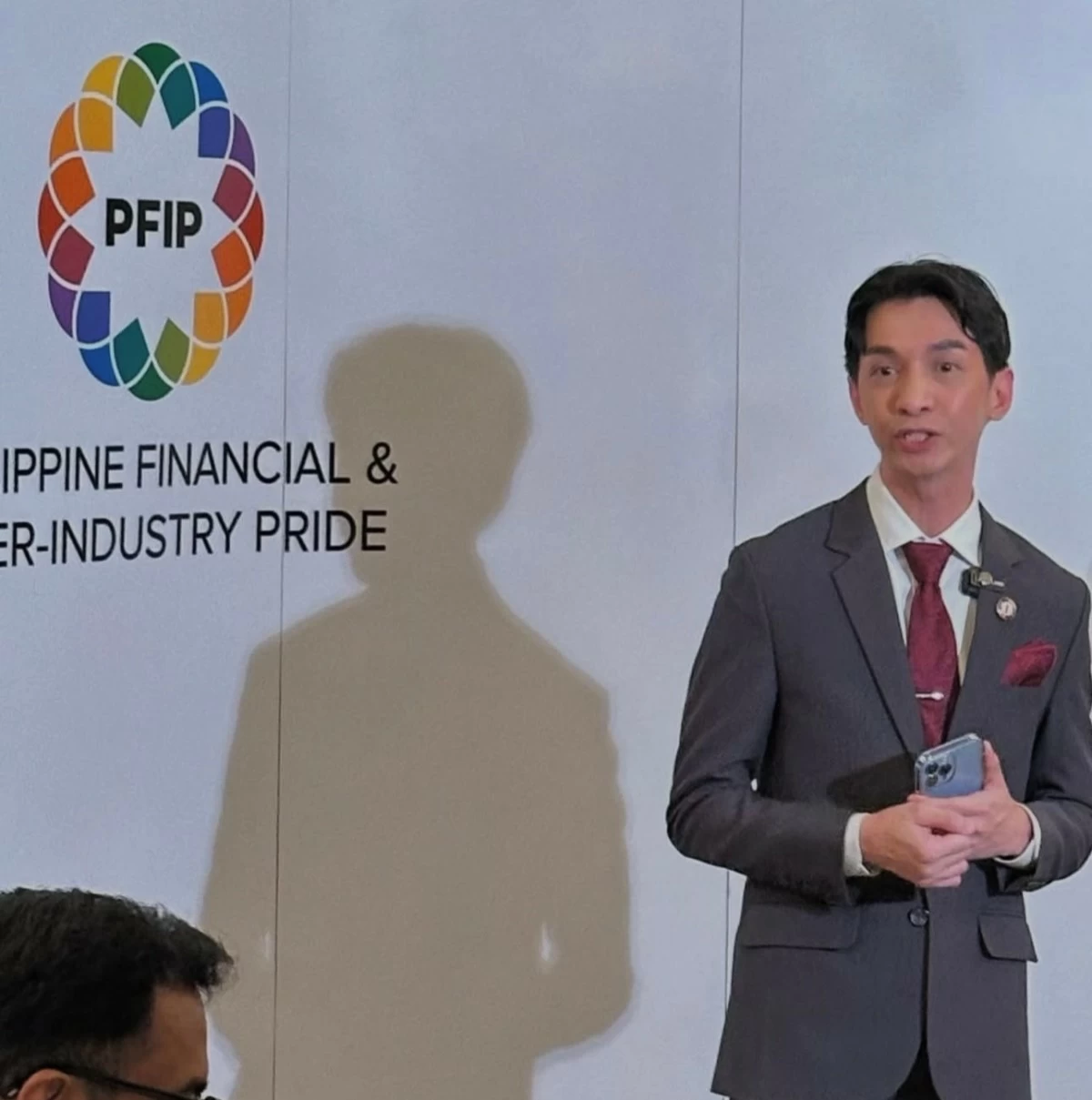
PFIP Chairperson, Accenture’s Gelo Camayo.
They smiled at this, implying that this could very well be intentional. You mention LGBTQ+ rights, the struggle for proper identification and respect for gender choice; and unfortunately, the truth is that what will come to mind for many are incidents like what happened in Cebu last year, when a waiter was berated for not properly addressing the LGBTQ+ customer. Then, what will also come to mind are activists on the streets, Pride marches, and grandiose public displays.
The PFIP wants to be different, to be activists in the boardroom of the top companies, to shift cultures and consciousness in the context of a business discourse. It’s about seeking to go beyond optics and/or lip service to DEI, and without much fanfare, make the conscious effort to capacitate business organizations to achieve meaningful inclusion – one example being the issue of partner benefits for LGBTQ+ employees.
To help achieve this, the PFIP generated a PFIP Playbook two years ago, which was supported by the UP Center of Women and Gender Studies, and the Embassy of the Kingdom of the Netherlands in the Philippines. The Playbook offers clear guidelines for organizations, according to the level of maturity of it’s LGBTQ+ inclusion strategies - from those in the early stages, to those seeking to expand and extend their established practices.
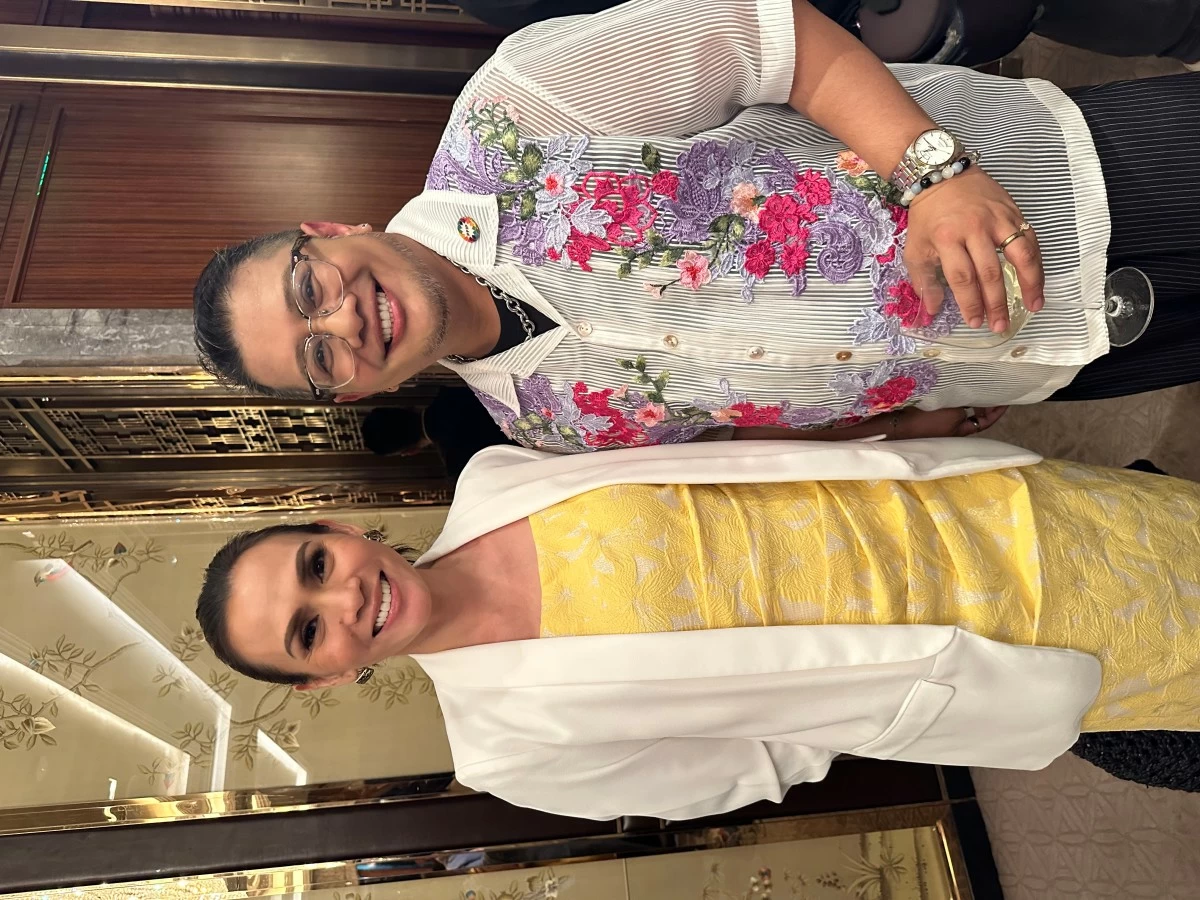
PFIP Vice-Chair Nestle’s Ian Fegalan (right), welcomes guest Issa Litton.
The Playbook highlights best practices from those organizations who are considered DEI exemplars in the industry, and within DEI advocacy circles. A PFIP Workplace Inclusion Survey that was conducted earlier offered insights and exchanges which helped provide what are articulated in the Playbook. It’s ideal reading for Executives, Human Resources and administration managers, line managers, and employee resources group (ERG) leaders.
The Playbook is divided into three main sections; Getting Started, Taking Action, and Scaling Up. Getting Started is a self-assessment tool so one can reflect on one’s company’s LGBTQ+ inclusion journey. It will help one identify in which DEI areas the company or organization is already working well, and which areas have opportunities for development.
Taking Action provides recommended actions on how to grow in specific aspects of operations that need attention. It’s here that the best practices of PFIP members are included, in the hope that they may be useful, or adapted.
Scaling Up is the continuing challenge for those that have solidified their commitment to inclusion. It’s about communication strategies in both internal, and external facing contexts; to rally more partners in their value chains to the advocacy of inclusion, in their respective industries, and even outside of business communities.
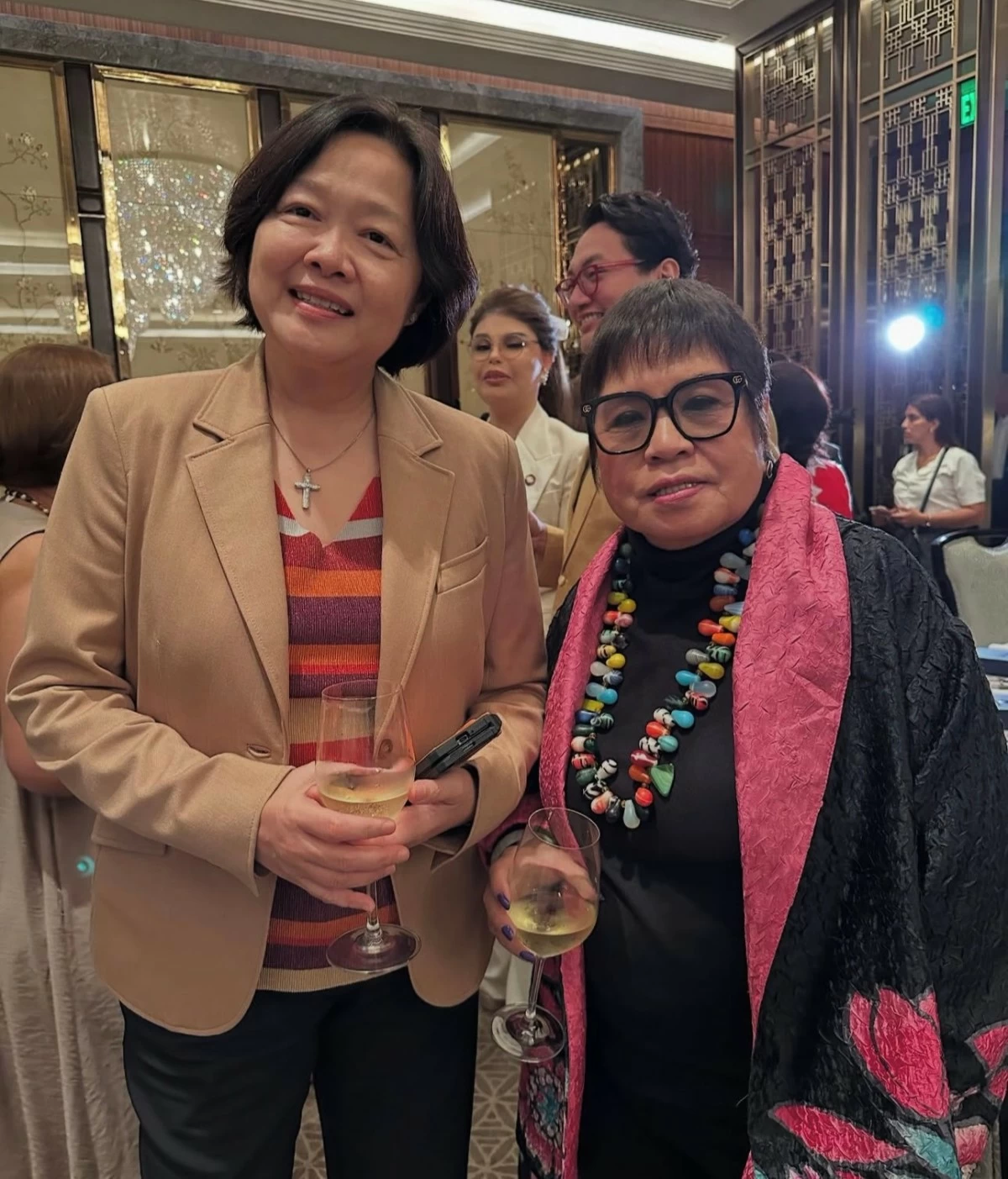
Atty’s Virginia Viray and Lorna Kapunan, both members of PFIP’s Legal Counsel.
For the PFIP, this Scaling Up is important, as it’s the recognition that the current 101 member organizations make up a “tip of the iceberg,” in getting DEI substantively adapted in the Philippine workplace. Workplace discrimination can occur at all stages of an individual’s professional life, and can even start from the outset, at the recruitment level.
As a framework for catering to employees of vulnerable backgrounds, DEI has existed since the 1990’s; achieving many milestones for LGBTQ+ persons in workplaces across the world. DEI policies are seen as beneficial, as they create a safe and accepting environment that sanctions stigma and discrimination, and encourages support from co-workers.
A study assessing the performance of over 600 firms in the USA over a 14-year period showed that those with inclusive corporate policies and diversity management enjoyed “higher profitability and higher stock market valuations,” plus increased employee engagement, and retention.
Happy Pride Month, Philippines!