






Manila Bulletin
 Lifestyle
Luminaries and Life
Yvette Tan weaves modern horror with Filipino folklore in 'Insect Hag and Other Stories'
Lifestyle
Luminaries and Life
Yvette Tan weaves modern horror with Filipino folklore in 'Insect Hag and Other Stories'
Lifestyle
Luminaries and Life
Yvette Tan weaves modern horror with Filipino folklore in 'Insect Hag and Other Stories'
Yvette Tan weaves modern horror with Filipino folklore in 'Insect Hag and Other Stories'
Published Jun 21, 2025 08:44 am


Dubbed the “Queen of Philippine Horror Stories,” Palanca award-winning writer Yvette Tan once again invites readers into her chilling world, seamlessly blending modern-day settings with the eerie mysteries of Filipino folklore in her latest book, “Insect Hag and Other Stories.”
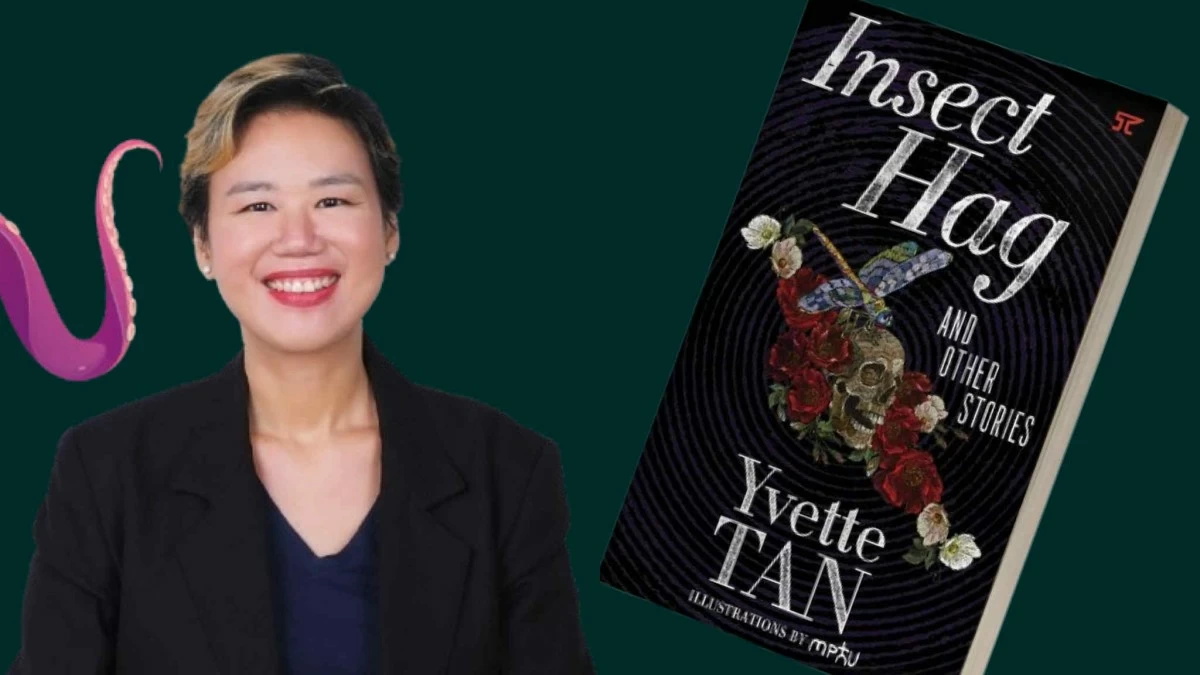
Yvette Tan and her new book ‘Insect Hag and Other Stories’
This collection of short stories opens with the titular tale, which follows a couple who seek the help of a modern-day mambabarang—or insect hag—to solve a supernatural dilemma.
In her latest work, Yvette proves that horror and mystery transcend time. Her stories don’t just haunt—they reflect the realities of our society. Don’t be fooled by the book’s petite frame; its pages take readers on an emotional rollercoaster of grief, longing, and the desperate desire to control the uncontrollable—even in moments when nothing makes sense.
In an interview with Manila Bulletin Lifestyle, we delved deeper into Yvette’s world, hoping to better understand the mind behind the horrors—and to gather valuable insights for aspiring speculative fiction writers.
Many of your stories delve into Filipino folklore and supernatural elements. How do you balance tradition with contemporary storytelling in this collection?
Honestly, you don’t have to go very far in terms of imagining how folklore can thrive in the modern world. The supernatural is woven into our daily lives, even in urban areas, even with jobs that didn’t exist 30 years ago. Call center workers, for example, speak of a trickster spirit they collectively call “Junjun.” There are several groups around the metro who help regular people placate spirits that haunt their houses or places of work. We may be Tiktokking our way through 2025, connected globally through the internet, but our traditions exist, either in dark spaces, waiting to be called up, or having morphed into new practices to suit current times, their old sources forgotten.
Most of my stories are set in the years they were written. Philippine society is an example of what Arnold Molina Azurin calls “folk realism,” where there is no delineation between folklore and reality. My stories fall within this category. They could be stories you hear from your neighbor. Globally, my stories would count as “folk horror,” but in my mind, they’re all slices of Philippine life.
Were there specific myths, legends, or historical events that directly inspired any of the stories in this collection?
I draw a lot from everyday beliefs, some we take for granted, such as “usog,” and others shrouded in mystery (despite their frequent television coverage), such as “anting.”
“Pwera Usog” comes from the belief in “usog,” where complimenting a child can accidentally lead to cursing it, something that can be countered by the greeter wetting their thumb with saliva and marking the child’s forehead or stomach. “Insect Hag” is a story about a modern-day mambabarang, and “Antingera” is a story about a woman who inherits an anting from her grandmother.
Were there particular reactions to any of the stories that surprised or moved you?
Of the stories in “Insect Hag,” “Antingera” is the one most people have resonated with, especially given current events. The Philippine justice system is famously flawed, and is one of the many reasons some people turn to folk practices in the hope of swaying the universe to take on their cause.
Filipino culture and folklore are incredibly rich and diverse. In your view, what steps can we take to help bring these stories to a wider international literary audience?
I think that writers, publishers, and cultural advocates can help bring these stories to a wider international literary audience by writing, publishing, and promoting more Filipino culture and folklore, preferably in a casual way. I believe that soft power is important, and the media is one of the most effective ways to establish this.
What advice would you give to emerging Filipino writers looking to tell horror or speculative stories rooted in local culture?
Listen to stories. It’s one thing to read about aswangs from a textbook, it’s another to have heard about them from a grandparent. For writing in general, read as much as you can, in and outside of your chosen genre. Understanding how different writers wield words can help you figure out your writing style and the stories you want to tell.
—
Yvette’s “Insect Hag and Other Stories” reminds us that horror isn’t just about fear—it’s about history, emotion, and identity. By threading age-old superstitions through contemporary settings, she breathes new life into tales we’ve heard in whispers and childhood warnings.
“Insect Hag and Other Stories” is available in the National Book Store and on Anvil Publishing’s Shopee, Lazada, and TikTok stores