






Manila Bulletin
 Philippines
National
Marcos sees stronger Philippines–Japan connectivity in Osaka Expo engagement
Philippines
National
Marcos sees stronger Philippines–Japan connectivity in Osaka Expo engagement
Philippines
National
Marcos sees stronger Philippines–Japan connectivity in Osaka Expo engagement
Marcos sees stronger Philippines–Japan connectivity in Osaka Expo engagement
By Trixee Rosel
Published Jun 21, 2025 04:54 pm


At A Glance
- President Marcos visited the Philippine Pavilion at the World Expo 2025 in Osaka on June 20.
- The pavilion recorded 374,835 visitors as of June 20, according to the Department of Tourism (DOT).
- A tourism roundtable was held with Japanese business and travel leaders to boost air connectivity and infrastructure.
- Marcos highlighted key initiatives, including the Digital Nomad Visa, Philippine Experience Program, and regional tourism upgrades.
- Japan remained one of the Philippines' top tourist markets in 2024 with 444,528 arrivals.
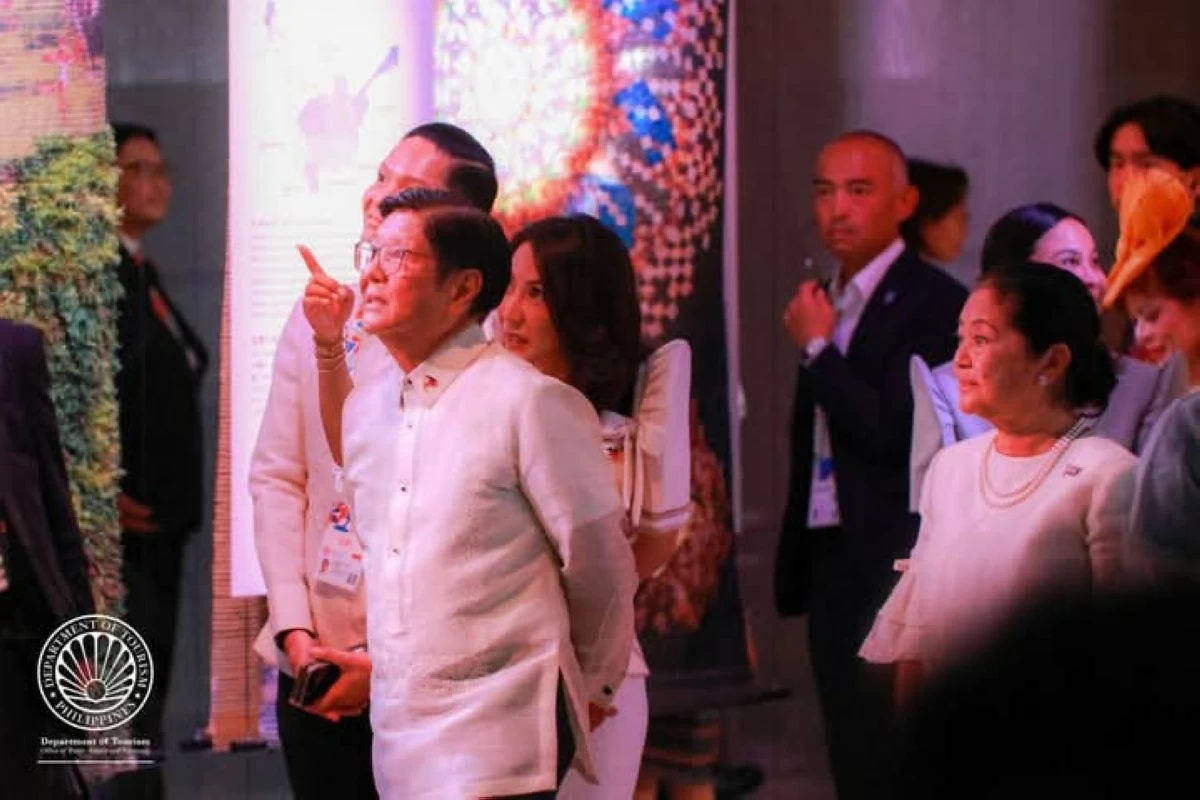
President Ferdinand R. Marcos Jr., accompanied by First Lady Louise Araneta-Marcos and Tourism Secretary Christina Garcia-Frasco, visits the Philippine Pavilion at the World Expo 2025 in Osaka, Japan on June 20, 2025, as part of efforts to strengthen Philippines–Japan tourism and connectivity. (Photo courtesy of DOT)
The Department of Tourism (DOT) reported that the pavilion had recorded 374,835 visitors as of Friday.
Accompanied by First Lady Louise Araneta-Marcos, the President toured the pavilion as part of his official visit to Japan, which also included a tourism roundtable organized by the DOT with key Japanese business and travel stakeholders.
Themed “Nature, Culture & Community—Woven Together for a Better Future,” the Philippine Pavilion showcases all 18 regions through immersive exhibits, digital storytelling, and creative industry features.
Its facade is lined with 212 handwoven textiles crafted by artisans from Luzon, Visayas, and Mindanao, symbolizing the country’s cultural richness and regional diversity.
Inside, visitors experience interactive attractions such as the “Dancing With Nature” digital installation, an AI-powered photo booth, and curated retail spaces like the Habi Gift Shop and Hain Take-out Counter.
According to the DOT, the pavilion embodies the President’s vision of presenting the Philippines as a destination shaped by natural beauty, regional identity, and inclusive community development.
At the roundtable, Marcos led discussions focused on expanding air connectivity, upgrading tourism infrastructure, and increasing visitor flows between the two countries.
He noted that weekly flights between the Philippines and Japan rose from 204 in 2019 to 214 in 2025, with seat capacity increasing from 45,041 to 50,111.
The President said these gains enhance market accessibility and help drive regional economic growth.
He also cited ongoing initiatives such as the DOT’s Philippine Experience Program: Arts, Culture and Heritage Caravans (PEP), Executive Order No. 86 introducing a Digital Nomad Visa, and infrastructure improvements in airports, roads, and medical tourism facilities.
Marcos emphasized that continuous training for tourism workers remains essential to delivering quality service and maintaining global competitiveness.
Participating Japanese executives included officials from the Japan Tourism Agency, Japan Association of Travel Agents–Kansai, Japan Philippine Tourism Council, and major travel firms.
Japan remained one of the Philippines’ top tourism source markets in 2024, with 444,528 arrivals recorded—up 17.73 percent from the previous year, according to DOT data.