







A titan in corporate social responsibility
Published Jun 21, 2025 12:05 am
|
Updated Jun 20, 2025 06:04 pm


PAGBABAGO
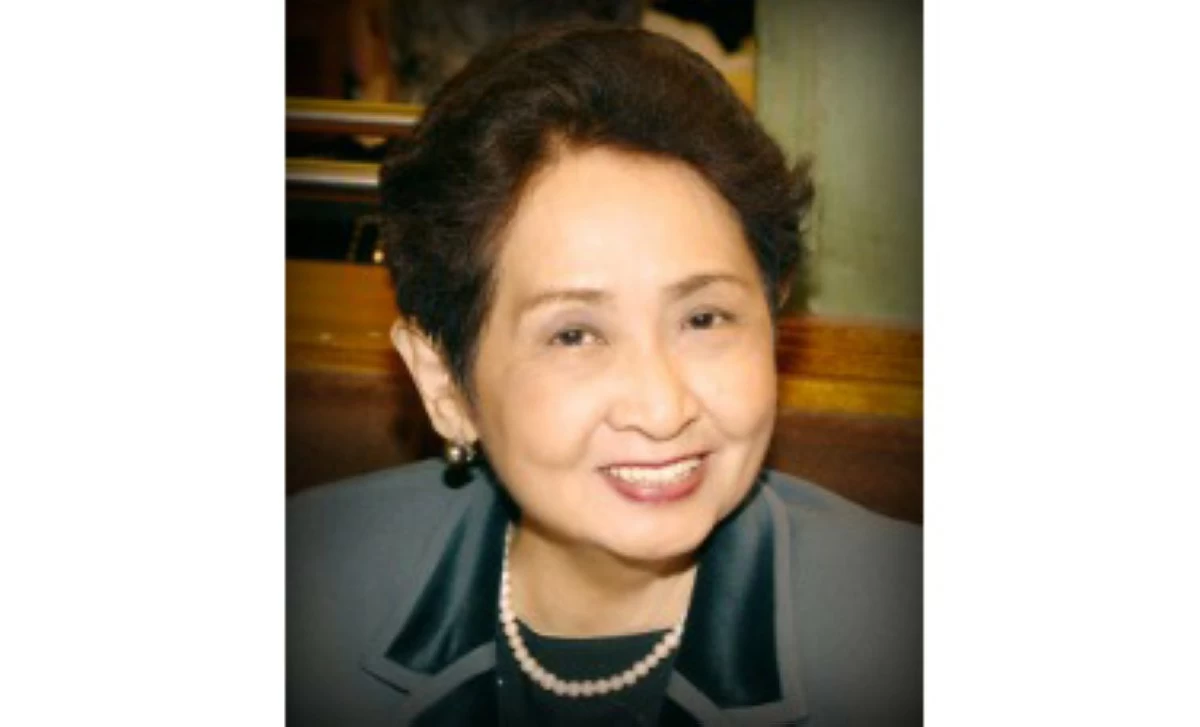
Friends and supporters of Aniceto (Chito) Sobrepena are saddened to see Chito retire but happy to note the achievements he had made through the years, first in government for 22 years, and in the private sector for almost three decades.
He became a director of the National Development Authority (NEDA) at 27 where he directed the Policy Coordination Council, and later, at 36, became the youngest cabinet member as head of the Presidential Management Staff of President Corazon Aquino. When President Cory championed non-government organizations (NGO’s) and people’s organizations, he served on the Council of Sustainable Development. His last stint in the government was during the term of President Fidel V. Ramos when he was appointed deputy-director general of the National Development Authority. There, he managed the review of economic policies in the formulation of regional development plans.
He moved to the private sector where he first served as director and later president of the Metrobank Foundation Inc. (MBFI), the corporate social responsibility arm of Metrobank.
At MBFI where he held related posts (executive director of the GT Foundation, vice-chair of Federal Land and the Manila Doctors Hospital), he ushered the company to become the country’s “most dynamic philanthropic organization,” and a pioneer in human development. The programs included education, visual arts, health care, judiciary, media, police and military, and grant-making to various socio-economic, civic, and charitable institutions in the country and the Asia-Pacific region. They were all successful and much appreciated but what stood out was the annual search for Outstanding Teachers, a program implemented annually for 25 years. It had indeed made a great impact in improving not only the status of teachers but the quality of learning as well. In 2012, UNESCO Paris invited Chito to speak about the project before a large group of international specialists in education.
When Dr. George S.K. Ty, chair and founder of Metrobank passed on in 2018, he paid this heart-warming eulogy at the latter’s memorial service. He noted his “commitment to nation building, inspired leadership, passion for education, a vision of society where people were enabled to pursue noble dreams, a deeper engagement with communities and the nation, nurturing a network of exemplary individuals and organizations, and building a network of excellence…In 1984, Dr. Ty conceived an art competition to create a venue for the nation to discover their voice at a time of crisis and political unrest.”
A member of the Federation of Free Farmers during the pre-martial law era, he was fully aware of the plight of farmers and was an advocate of land reform despite the fact that he came from a family of land-owners. A recipient of several awards, these include The Most Outstanding Citizen of Quezon City, San Jose City, Nueva Ecija, and NEDA official at the Central Office.
Even with his retirement, he still sits on the board in many of the positions he occupied as chair and chief executive. Married to Anna Isabel Crisostomo, a most talented lifestyle journalist, he has three children MBFI’s Executive Vice-President Philip Francis Dy succeeds him as President of Metrobank Foundation Inc.
* * *
More on the Freedom of Information bill which is going to be refiled in Congress for the nth time.
Liberal Party President and former Deputy Speaker Lorenzo (Erin) Tanada reacted to my last column on the FOI by recounting his experience when he championed the bill for two Congresses – from 2004-2013. The closest to its approval, he said, was during the year I noted in my column – the 14th Congress from 2007-2010. As I noted, we came home disheartened because the House refused to ratify the bicameral report due to lack of quorum. Another reaction to my piece noted that the persistent failure to ratify the bill reveals much of the political structure and cultural conditions of our democracy, which among others is due to self-preservation and fear of exposure.
It is noteworthy that in 2016, just nearly a month into office, former President Duterte signed an Executive Order implementing the Freedom of Information in the Executive Office. The EO operationalized the constitutional rights of the people to full public disclosure by the Executive Branch, to make public their records, contracts, subject to exceptions like national security and privacy. It was a much lauded move but it led to “unintended consequences” that did not help improve transparency as it did not cover the legislature, judiciary, and local governments though it encouraged them to observe the order.
Many requests were denied because people asked for confidential information from the wrong agency. It led to information kept under wraps of taking longer time to be released as it passed through the bureaucracy. These findings should help those preparing the implementing orders for the FOI when it is filed in the 20th Congress. ([email protected])