

ADVERTISEMENT

4 ways to raise proud Filipino speakers at home

Simple, everyday practices that build language, confidence, and love for country

Published Jun 21, 2025 12:50 pm
By Daisy Jane Calado
As told to Jane Kingsu-Cheng
As a teacher and a mother, one of the most common questions I get from parents is, “How do I help my child speak and read in Filipino, especially when they’re more comfortable with English?”
It’s a valid concern. Many children today are more exposed to English, especially through the media and school. Some become shy or unsure when asked to speak Filipino. But here’s what I always tell parents, “It’s not too late.” With a few simple strategies—and lots of love and patience—we can help our children embrace our national language.
In my experience, the best results come from keeping things simple and practical. We use age-appropriate materials and fun, engaging activities that help children read full sentences and short stories by the end of a program. And yes, this kind of progress is possible on a bigger scale. All children, regardless of background or skill level, can benefit from structured and consistent support.
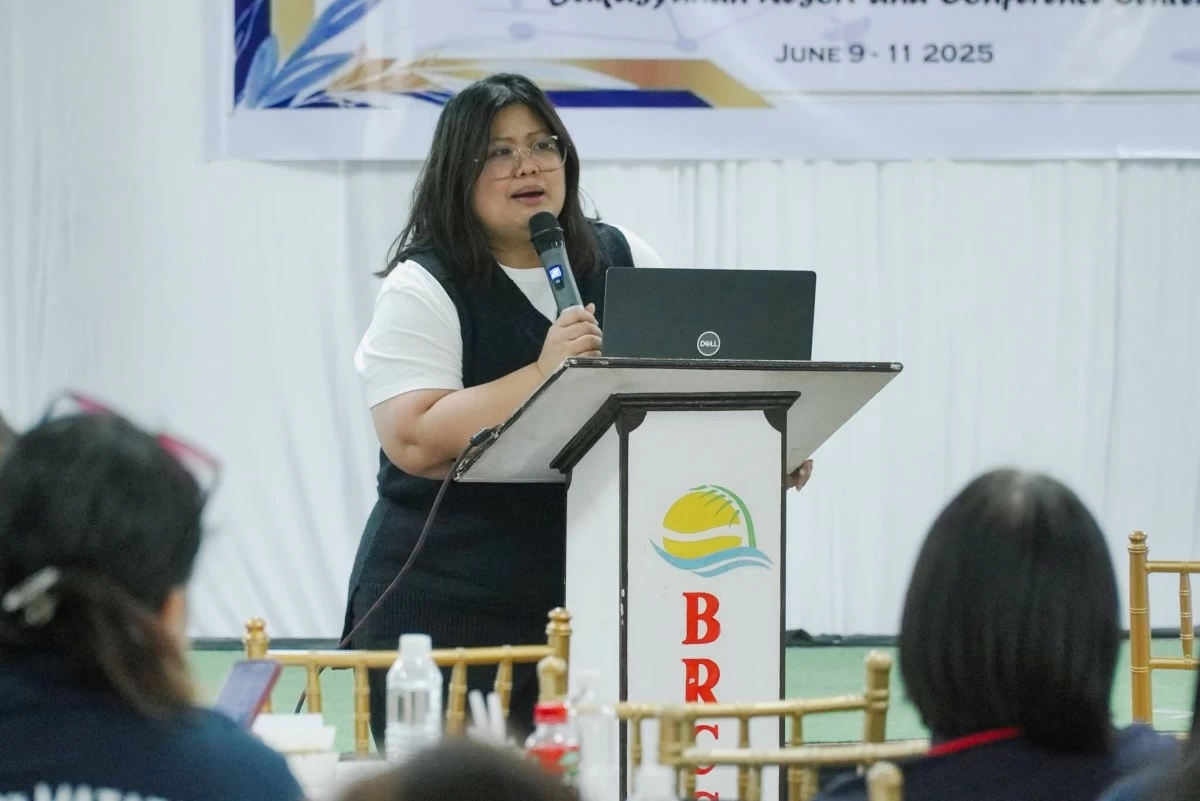
Daisy Jane_Calado
Daisy Jane_Calado
I saw it firsthand during a 15-day reading program in Zambales that is implemented by the Schools Division of Zambales and launched with the support of the Department of Education. We worked with incoming Grade 2 and 3 students who were really struggling to read. In just two weeks, we saw a big improvement in their skills and confidence.
I also witnessed similar results in the Learning Remediation Program (LRP), a four-week initiative for Filipino learners needing extra help. Like Project REAL, it showed us that with the right tools and approach, significant progress is possible even within a limited amount of time.
If structured support can deliver results in just a few weeks, imagine what we can achieve at home with small, consistent efforts. Here are some practical ways you can help your child learn Filipino at home:
1. Stay grounded in your roots
The first step in teaching Filipino is helping your child understand why it matters. In simple and relatable terms, explain that the Filipino language is a key part of who we are—as individuals, as a family, and as a nation. When children see language as part of their identity, they’re more open to learning and using it.
2. Keep it simple and relevant
You don’t need formal lessons to teach Filipino, just start with everyday experiences. Oral language practice can happen naturally through play. For example, traditional games like “Nanay Tatay (Mother Father)” are fun ways to introduce basic family words like “nanay” (mother), “tatay” (father), “ate” (sister), and “kuya” (brother). Outdoor games like “piko” and “patintero” can also help teach Filipino words for shapes, directions, and movement. The more relatable it is to your child’s world, the easier it is for them to absorb the language.
3. Children learn best when they feel safe
Language learning should never feel like a punishment. When children feel supported and encouraged, they become more open to trying, even if they make mistakes. Since the Filipino alphabet is very similar to English, you can make learning fun with simple games like letter knowledge games, clapping out syllables, rhyming words, or spotting similar sounds. These playful activities build phonological awareness and highlight the rhythm of the language. You can also find plenty of free resources online. Just search for terms like syllable counting, rhyming games, or Filipino alphabet activities to get started.
4. Make your family your child’s biggest cheerleader
After-school conversations in Filipino or mealtime chats, no matter how simple, can help strengthen your child’s familiarity with the language. Continuing to communicate in Filipino, even when it feels challenging, builds confidence over time. These small but consistent moments can develop the habit of speaking, making it less awkward for children to listen and respond in Filipino.
Language learning must be functional. Grammar rules matter, but children need a strong foundation, which is an understanding of why mastering their own language is important. They must see Filipino as an integral part of who they are, which is something to own, respect, and be proud of.
Learning a language shouldn’t feel like a burden. It should be something children enjoy and treasure. And finally, as adults, we must lead by example. Let’s model respect for the language in the way we use and value it every day.

Related Tags

Parenting
ADVERTISEMENT
.most-popular .layout-ratio{ padding-bottom: 79.13%; } @media (min-width: 768px) and (max-width: 1024px) { .widget-title { font-size: 15px !important; } }

{{ articles_filter_1561_widget.title }}

.most-popular .layout-ratio{ padding-bottom: 79.13%; } @media (min-width: 768px) and (max-width: 1024px) { .widget-title { font-size: 15px !important; } }

{{ articles_filter_1562_widget.title }}

.most-popular .layout-ratio{ padding-bottom: 79.13%; } @media (min-width: 768px) and (max-width: 1024px) { .widget-title { font-size: 15px !important; } }

{{ articles_filter_1563_widget.title }}

{{ articles_filter_1564_widget.title }}

.mb-article-details { position: relative; } .mb-article-details .article-body-preview, .mb-article-details .article-body-summary{ font-size: 17px; line-height: 30px; font-family: "Libre Caslon Text", serif; color: #000; } .mb-article-details .article-body-preview iframe , .mb-article-details .article-body-summary iframe{ width: 100%; margin: auto; } .read-more-background { background: linear-gradient(180deg, color(display-p3 1.000 1.000 1.000 / 0) 13.75%, color(display-p3 1.000 1.000 1.000 / 0.8) 30.79%, color(display-p3 1.000 1.000 1.000) 72.5%); position: absolute; height: 200px; width: 100%; bottom: 0; display: flex; justify-content: center; align-items: center; padding: 0; } .read-more-background a{ color: #000; } .read-more-btn { padding: 17px 45px; font-family: Inter; font-weight: 700; font-size: 18px; line-height: 16px; text-align: center; vertical-align: middle; border: 1px solid black; background-color: white; } .hidden { display: none; }
function initializeAllSwipers() { // Get all hidden inputs with cms_article_id document.querySelectorAll('[id^="cms_article_id_"]').forEach(function (input) { const cmsArticleId = input.value; const articleSelector = '#article-' + cmsArticleId + ' .body_images'; const swiperElement = document.querySelector(articleSelector); if (swiperElement && !swiperElement.classList.contains('swiper-initialized')) { new Swiper(articleSelector, { loop: true, pagination: false, navigation: { nextEl: '#article-' + cmsArticleId + ' .swiper-button-next', prevEl: '#article-' + cmsArticleId + ' .swiper-button-prev', }, }); } }); } setTimeout(initializeAllSwipers, 3000); const intersectionObserver = new IntersectionObserver( (entries) => { entries.forEach((entry) => { if (entry.isIntersecting) { const newUrl = entry.target.getAttribute("data-url"); if (newUrl) { history.pushState(null, null, newUrl); let article = entry.target; // Extract metadata const author = article.querySelector('.author-section').textContent.replace('By', '').trim(); const section = article.querySelector('.section-info ').textContent.replace(' ', ' '); const title = article.querySelector('.article-title h1').textContent; // Parse URL for Chartbeat path format const parsedUrl = new URL(newUrl, window.location.origin); const cleanUrl = parsedUrl.host + parsedUrl.pathname; // Update Chartbeat configuration if (typeof window._sf_async_config !== 'undefined') { window._sf_async_config.path = cleanUrl; window._sf_async_config.sections = section; window._sf_async_config.authors = author; } // Track virtual page view with Chartbeat if (typeof pSUPERFLY !== 'undefined' && typeof pSUPERFLY.virtualPage === 'function') { try { pSUPERFLY.virtualPage({ path: cleanUrl, title: title, sections: section, authors: author }); } catch (error) { console.error('ping error', error); } } // Optional: Update document title if (title && title !== document.title) { document.title = title; } } } }); }, { threshold: 0.1 } ); function showArticleBody(button) { const article = button.closest("article"); const summary = article.querySelector(".article-body-summary"); const body = article.querySelector(".article-body-preview"); const readMoreSection = article.querySelector(".read-more-background"); // Hide summary and read-more section summary.style.display = "none"; readMoreSection.style.display = "none"; // Show the full article body body.classList.remove("hidden"); } document.addEventListener("DOMContentLoaded", () => { let loadCount = 0; // Track how many times articles are loaded const offset = [1, 2, 3, 4, 5, 6, 7, 8, 9, 10]; // Offset values const currentUrl = window.location.pathname.substring(1); let isLoading = false; // Prevent multiple calls if (!currentUrl) { console.log("Current URL is invalid."); return; } const sentinel = document.getElementById("load-more-sentinel"); if (!sentinel) { console.log("Sentinel element not found."); return; } function isSentinelVisible() { const rect = sentinel.getBoundingClientRect(); return ( rect.top < window.innerHeight && rect.bottom >= 0 ); } function onScroll() { if (isLoading) return; if (isSentinelVisible()) { if (loadCount >= offset.length) { console.log("Maximum load attempts reached."); window.removeEventListener("scroll", onScroll); return; } isLoading = true; const currentOffset = offset[loadCount]; window.loadMoreItems().then(() => { let article = document.querySelector('#widget_1690 > div:nth-last-of-type(2) article'); intersectionObserver.observe(article) loadCount++; }).catch(error => { console.error("Error loading more items:", error); }).finally(() => { isLoading = false; }); } } window.addEventListener("scroll", onScroll); });

Sign up by email to receive news.