

ADVERTISEMENT

What you need to know about Green GSM, the EV taxi

Electric ride-hailing fleet using VinFast e34 EVs

Published Jun 20, 2025 09:02 am

At A Glance

  • Green GSM is an electric ride-hailing service under Vietnam-based Green and Smart Mobility Joint Stock Company (GSM) and utilizes a fleet made up entirely of VinFast Nerio Green electric vehicles.
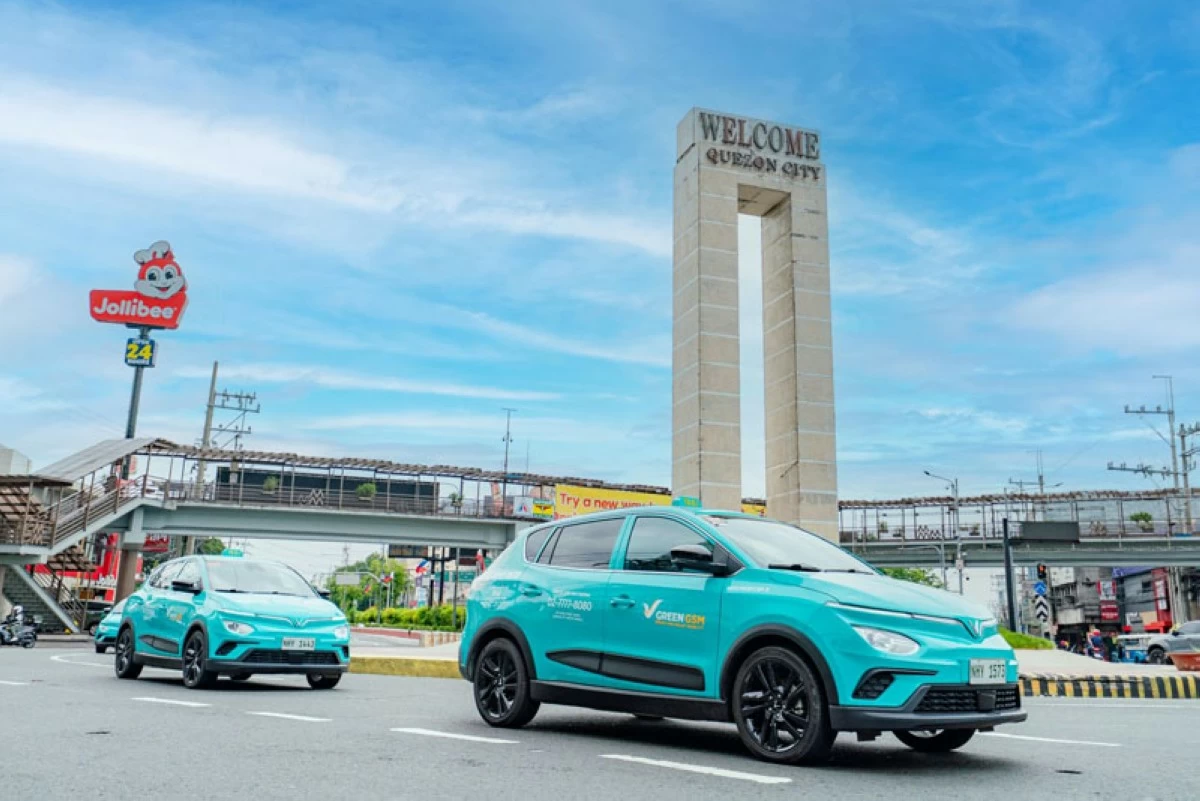
Green GSM, an electric ride-hailing service under Vietnam-based Green and Smart Mobility Joint Stock Company (GSM), has officially launched in the Philippines, and early signs point to strong adoption. Just days after its debut on June 10, the Green GSM app climbed to the top of the Travel & Local category on the Google Play Store Philippines, surpassing other transport platforms even before its formal rollout.
The company reports that the app was downloaded tens of thousands of times within the first 48 hours. The surge in interest highlights growing demand among Filipino commuters for environmentally responsible and technologically modern transport services. GSM’s expansion into the Philippines aligns with its broader goal of accelerating electric mobility adoption across Southeast Asia.
Special VinFast model
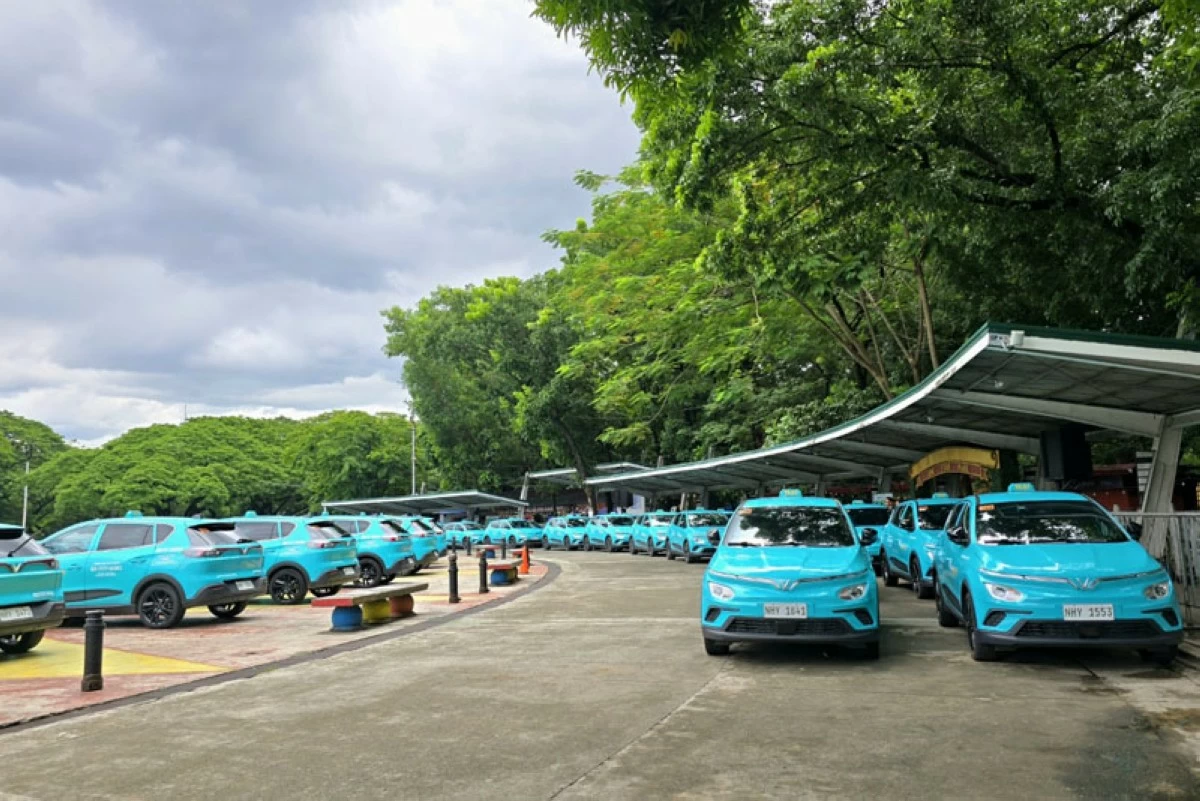
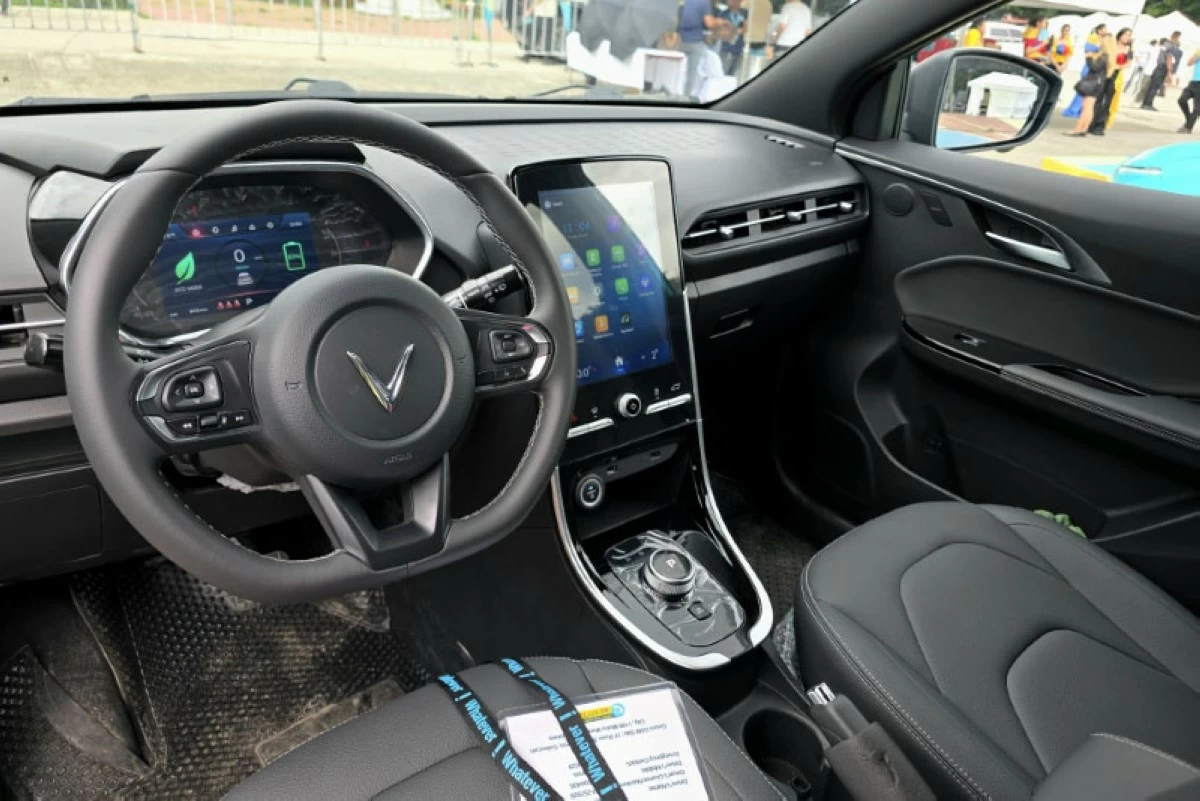
Green GSM's operations in Metro Manila currently utilize a fleet made up entirely of VinFast Nerio Green electric vehicles. These EVs offer silent, zero-emission rides and are equipped with GSM’s proprietary Secure to Safe (S2S) active safety system. The S2S platform includes real-time AI-assisted video monitoring of the vehicle's interior and exterior, encrypted data management, and an emergency alert function that can be activated by either passenger or driver. The system is intended to strengthen security, especially for women, children, and elderly passengers.
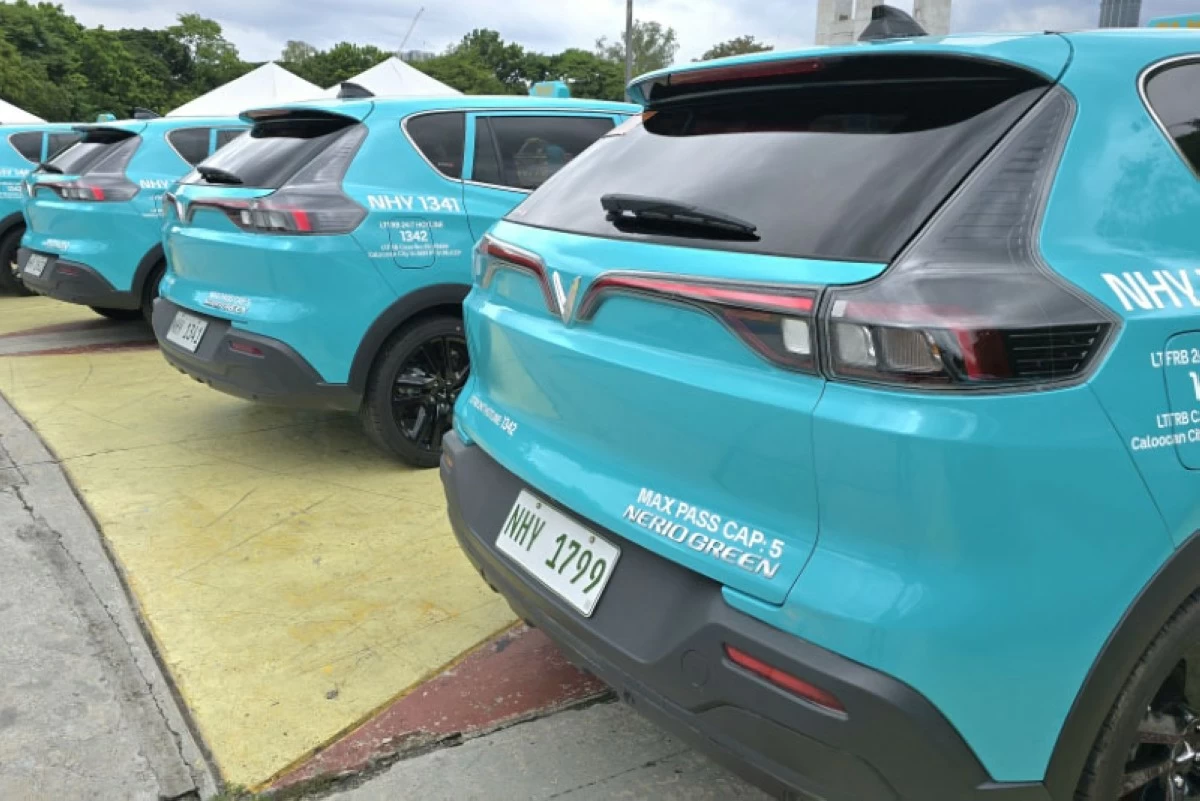
An initial batch of 500 Nerio Green units has been deployed in Metro Manila. The model, adapted from the VinFast VF e34, features a front-mounted 110 kW motor paired with a lithium-ion battery system. This configuration delivers a claimed range of 285 to 318 kilometers per full charge, depending on driving conditions. With a combination of the color blue to depict innovation and the color green to depict sustainability, each vehicle is finished in teal green and configured specifically for commercial operation, with passenger service and fleet visibility in mind.
Green GSM is more than just an electric taxi service; it represents a green mobility revolution in the Philippines, said Nguyen Van Thanh, Global CEO of GSM. Leading the app charts from day one clearly shows the community’s preference for clean, safe, and advanced transport solutions. We are committed to continuous innovation, improving service quality, and expanding our electric vehicle network to help build a sustainable and environmentally friendly transportation ecosystem that best serves the people.
Drivers in the Green GSM network are required to undergo formal training that covers not only road safety, but also customer service best practices. The company says this is essential to maintaining consistency in ride quality and building public trust in the all-electric service.
A different taxi experience
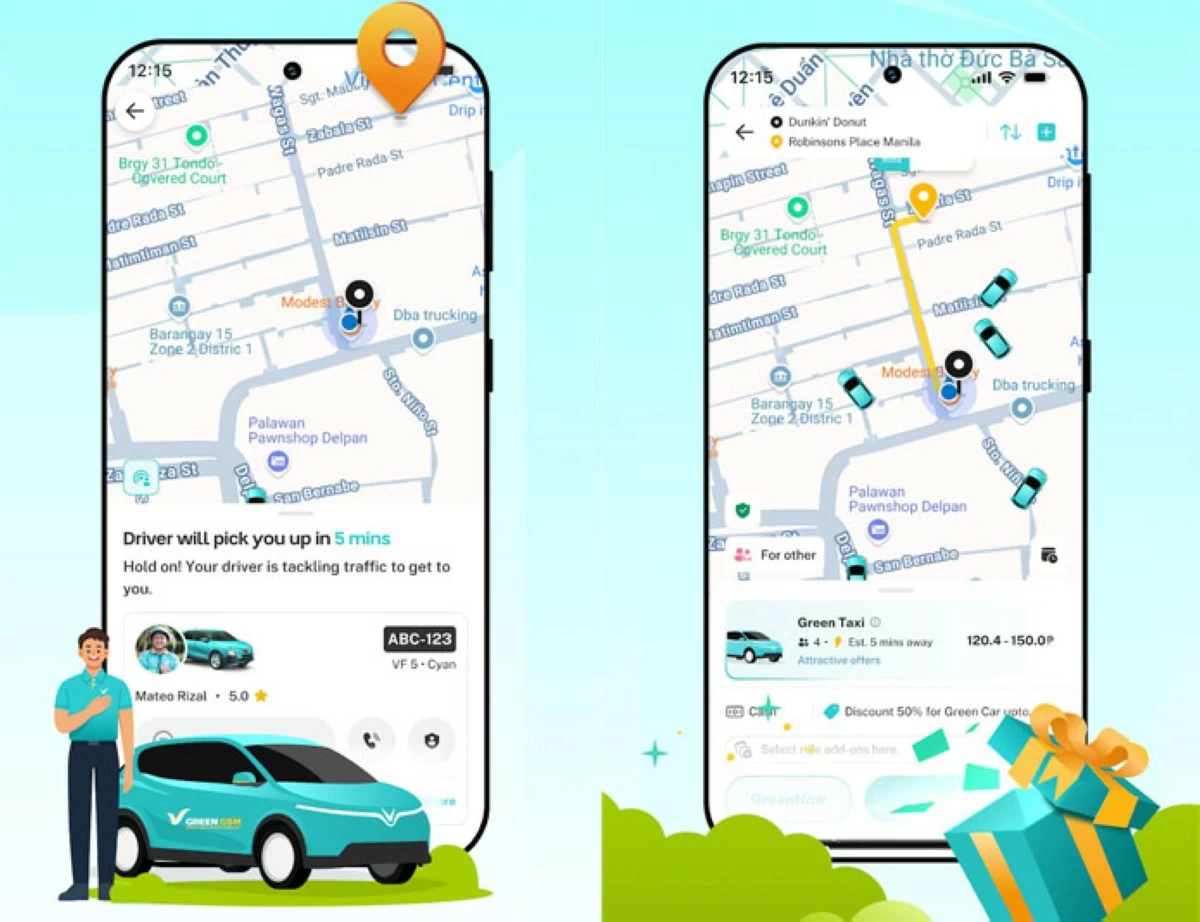
In its first week of operation, Green GSM has received favorable feedback from both riders and drivers. Passengers have cited the quiet ride, clean cabin environment, and transparent pricing as notable advantages. Meanwhile, drivers have pointed to the lack of fuel expenses and the predictability of EV operation as significant benefits.
The Green GSM app itself is designed for simplicity and reliability. It allows users to book trips quickly, track rides in real time, and access clearly posted fare rates. Each vehicle is equipped with a fare meter, and app-based billing ensures transparency. The app is available on both Android and iOS platforms.
To support the rollout, Green GSM has introduced a promotional offer of 500 Green Points, equivalent to ₱500, for all new users. These points can be applied to a maximum of seven discounted rides, and the offer is valid through August 31, 2025. The company hopes the promotion will incentivize commuters to experience the convenience and sustainability of electric mobility. Greener, Smarter, More Civilized is the guiding vision, according to GSM. The company believes that every electric ride contributes to a cleaner city and a better quality of life for urban residents.
The Philippine launch is part of GSM's broader Go Green Global strategy, which aims to set new benchmarks for eco-friendly and tech-enabled transportation in Southeast Asia. The company already operates in other ASEAN markets and considers the Philippines a crucial node in its regional expansion.

Related Tags

VinFast battery electric vehicle (BEV)
ADVERTISEMENT
.most-popular .layout-ratio{ padding-bottom: 79.13%; } @media (min-width: 768px) and (max-width: 1024px) { .widget-title { font-size: 15px !important; } }

{{ articles_filter_1561_widget.title }}

.most-popular .layout-ratio{ padding-bottom: 79.13%; } @media (min-width: 768px) and (max-width: 1024px) { .widget-title { font-size: 15px !important; } }

{{ articles_filter_1562_widget.title }}

.most-popular .layout-ratio{ padding-bottom: 79.13%; } @media (min-width: 768px) and (max-width: 1024px) { .widget-title { font-size: 15px !important; } }

{{ articles_filter_1563_widget.title }}

{{ articles_filter_1564_widget.title }}

.mb-article-details { position: relative; } .mb-article-details .article-body-preview, .mb-article-details .article-body-summary{ font-size: 17px; line-height: 30px; font-family: "Libre Caslon Text", serif; color: #000; } .mb-article-details .article-body-preview iframe , .mb-article-details .article-body-summary iframe{ width: 100%; margin: auto; } .read-more-background { background: linear-gradient(180deg, color(display-p3 1.000 1.000 1.000 / 0) 13.75%, color(display-p3 1.000 1.000 1.000 / 0.8) 30.79%, color(display-p3 1.000 1.000 1.000) 72.5%); position: absolute; height: 200px; width: 100%; bottom: 0; display: flex; justify-content: center; align-items: center; padding: 0; } .read-more-background a{ color: #000; } .read-more-btn { padding: 17px 45px; font-family: Inter; font-weight: 700; font-size: 18px; line-height: 16px; text-align: center; vertical-align: middle; border: 1px solid black; background-color: white; } .hidden { display: none; }
function initializeAllSwipers() { // Get all hidden inputs with cms_article_id document.querySelectorAll('[id^="cms_article_id_"]').forEach(function (input) { const cmsArticleId = input.value; const articleSelector = '#article-' + cmsArticleId + ' .body_images'; const swiperElement = document.querySelector(articleSelector); if (swiperElement && !swiperElement.classList.contains('swiper-initialized')) { new Swiper(articleSelector, { loop: true, pagination: false, navigation: { nextEl: '#article-' + cmsArticleId + ' .swiper-button-next', prevEl: '#article-' + cmsArticleId + ' .swiper-button-prev', }, }); } }); } setTimeout(initializeAllSwipers, 3000); const intersectionObserver = new IntersectionObserver( (entries) => { entries.forEach((entry) => { if (entry.isIntersecting) { const newUrl = entry.target.getAttribute("data-url"); if (newUrl) { history.pushState(null, null, newUrl); let article = entry.target; // Extract metadata const author = article.querySelector('.author-section').textContent.replace('By', '').trim(); const section = article.querySelector('.section-info ').textContent.replace(' ', ' '); const title = article.querySelector('.article-title h1').textContent; // Parse URL for Chartbeat path format const parsedUrl = new URL(newUrl, window.location.origin); const cleanUrl = parsedUrl.host + parsedUrl.pathname; // Update Chartbeat configuration if (typeof window._sf_async_config !== 'undefined') { window._sf_async_config.path = cleanUrl; window._sf_async_config.sections = section; window._sf_async_config.authors = author; } // Track virtual page view with Chartbeat if (typeof pSUPERFLY !== 'undefined' && typeof pSUPERFLY.virtualPage === 'function') { try { pSUPERFLY.virtualPage({ path: cleanUrl, title: title, sections: section, authors: author }); } catch (error) { console.error('ping error', error); } } // Optional: Update document title if (title && title !== document.title) { document.title = title; } } } }); }, { threshold: 0.1 } ); function showArticleBody(button) { const article = button.closest("article"); const summary = article.querySelector(".article-body-summary"); const body = article.querySelector(".article-body-preview"); const readMoreSection = article.querySelector(".read-more-background"); // Hide summary and read-more section summary.style.display = "none"; readMoreSection.style.display = "none"; // Show the full article body body.classList.remove("hidden"); } document.addEventListener("DOMContentLoaded", () => { let loadCount = 0; // Track how many times articles are loaded const offset = [1, 2, 3, 4, 5, 6, 7, 8, 9, 10]; // Offset values const currentUrl = window.location.pathname.substring(1); let isLoading = false; // Prevent multiple calls if (!currentUrl) { console.log("Current URL is invalid."); return; } const sentinel = document.getElementById("load-more-sentinel"); if (!sentinel) { console.log("Sentinel element not found."); return; } function isSentinelVisible() { const rect = sentinel.getBoundingClientRect(); return ( rect.top < window.innerHeight && rect.bottom >= 0 ); } function onScroll() { if (isLoading) return; if (isSentinelVisible()) { if (loadCount >= offset.length) { console.log("Maximum load attempts reached."); window.removeEventListener("scroll", onScroll); return; } isLoading = true; const currentOffset = offset[loadCount]; window.loadMoreItems().then(() => { let article = document.querySelector('#widget_1690 > div:nth-last-of-type(2) article'); intersectionObserver.observe(article) loadCount++; }).catch(error => { console.error("Error loading more items:", error); }).finally(() => { isLoading = false; }); } } window.addEventListener("scroll", onScroll); });

Sign up by email to receive news.