

ADVERTISEMENT

Jep Dizon unveils the architecture of being in his 'Object's Nature, Nature's Object'

Published Jun 20, 2025 08:41 pm

At A Glance

  • 'I hope they feel more relax and more light because what they feel becomes part of my healing.'
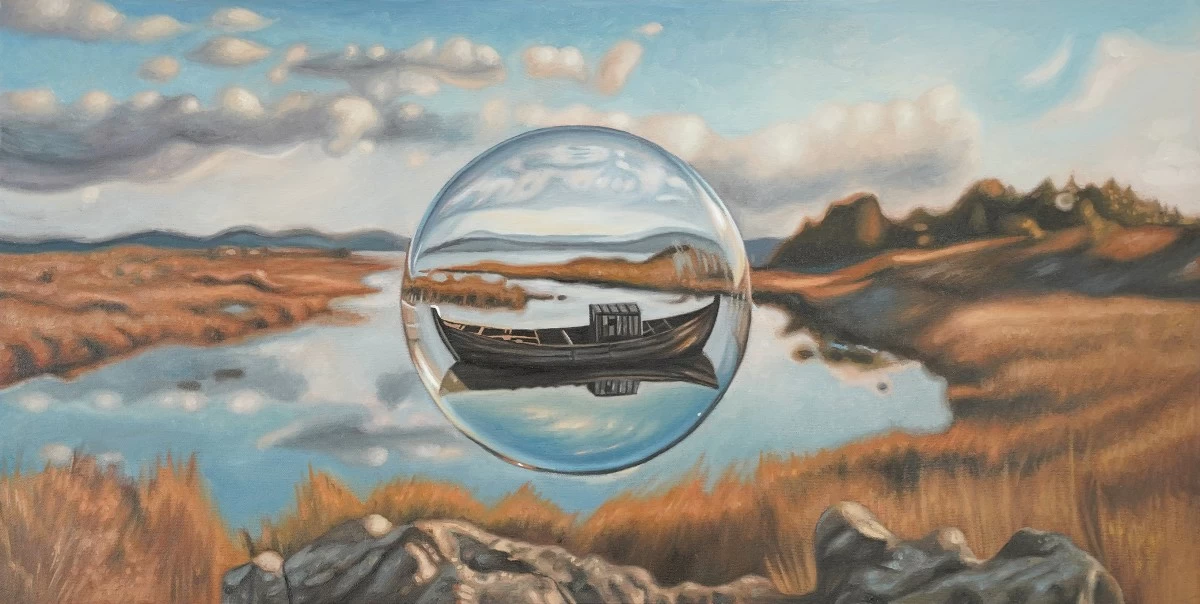
'NOWHERE BUT HERE,' oil on canvas, 15x30 inches, 2025
Artist Jep Dizon invites his viewers to slow down and contemplate the intricate dance between the material and the spiritual in “Object’s Nature, Nature’s Object.” Currently on display at Art Cube Gallery, Jep’s collection of still life transcends mere representation, transforming everyday objects into resonant symbols that chronicle the very arc of human existence.
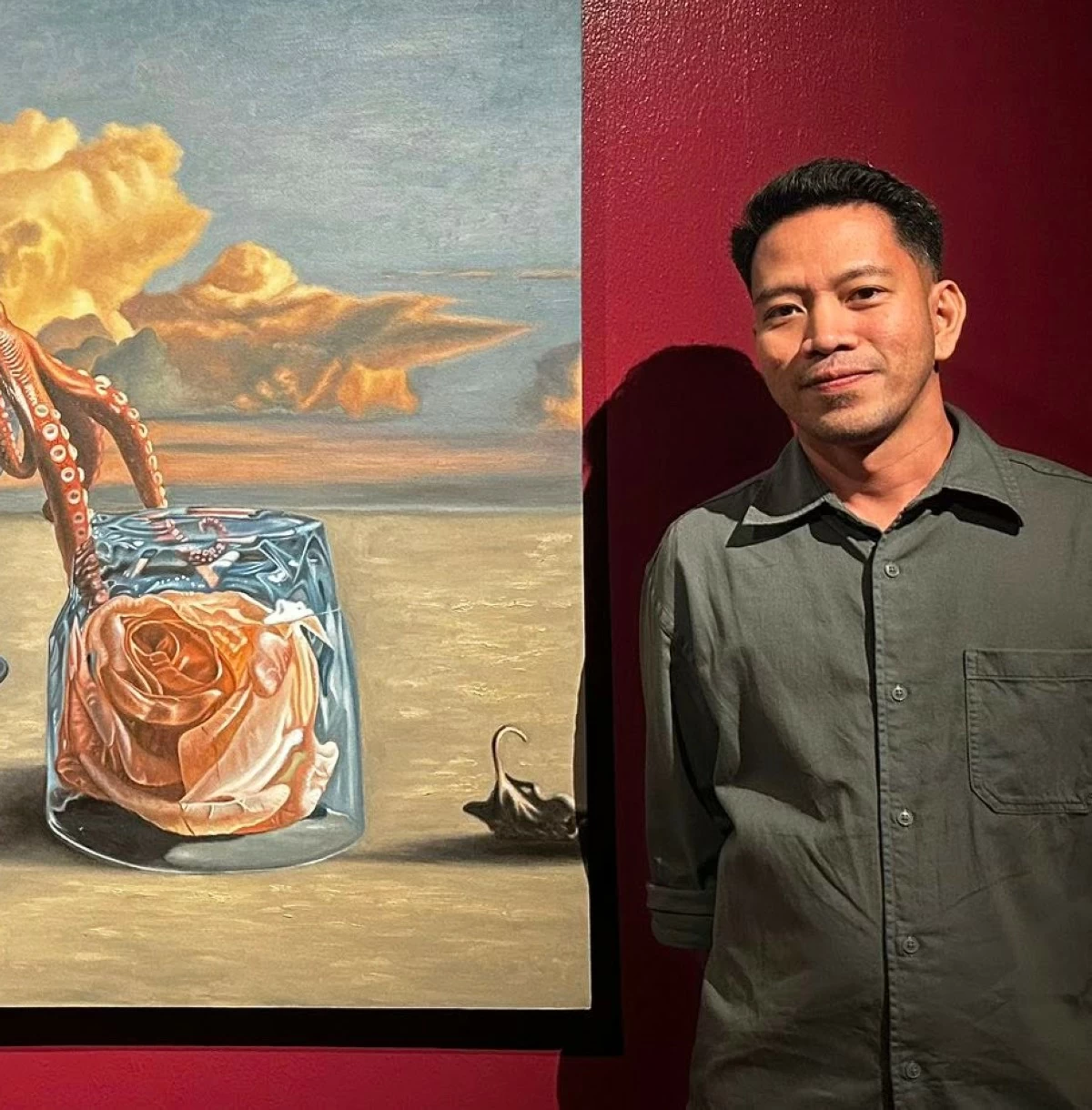
MEET THE ARTIST Jep Dizon
Stepping into the gallery, one is immediately enveloped in a sense of serene contemplation. Jep’s canvases, alive with surreal landscapes—clouds coiling like vaporous thoughts, light dilating in unexpected hues—serve as ethereal backdrops for meticulously rendered objects. A flower poised in a wine cup, a stoic marble bust, a watchful crow, a leisurely snail, a closed book—each element is a cipher, humming with symbolic charge and vibrating with the aftershocks of living.
“The concept of the exhibit came about when I slowed down,” he explains. “It was when I was in nature or on vacation, combined with observing objects from my immediate surroundings. It’s like merging a landscape with these objects to create memories.
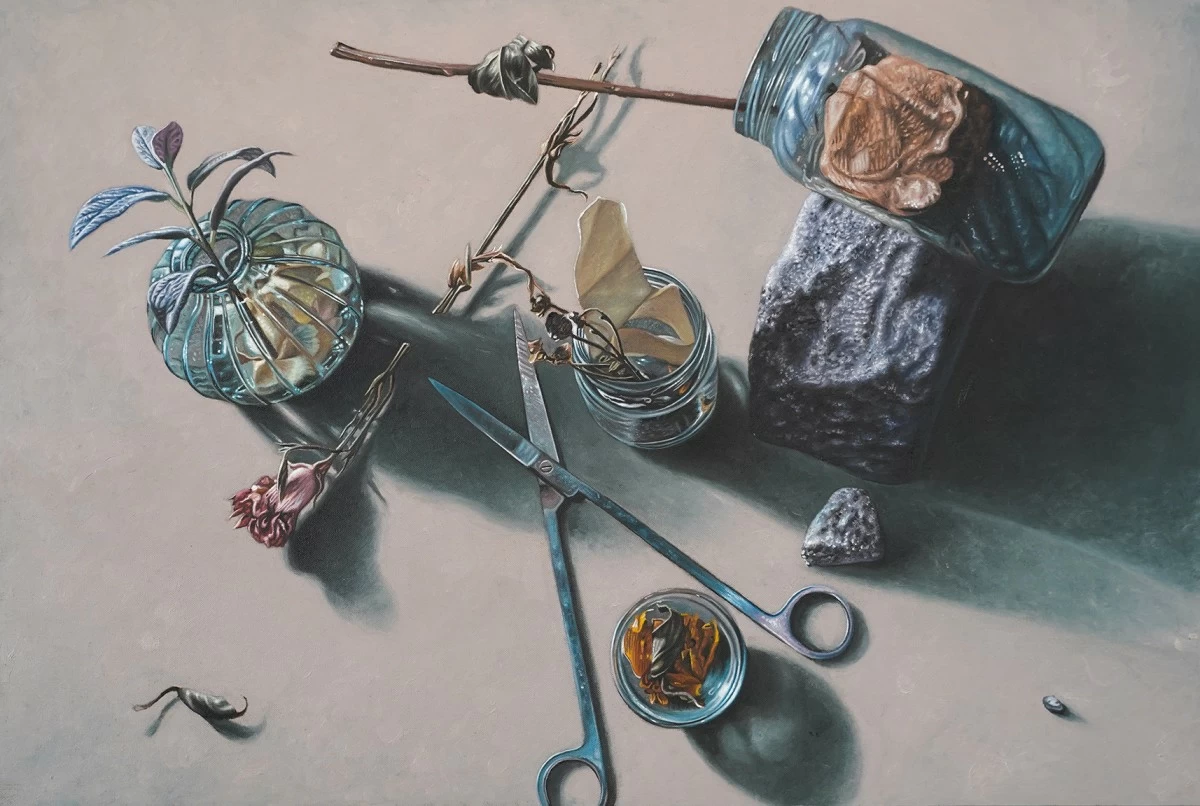
'CUT DRIED FLOWERS,' oil on canvas, 24x36 inches, 2025
Jep’s choice of still life, he explains, is deliberate. “I choose still life and merged landscape,” he explains. “I want to give them life, like I put a subject that has life and is part of nature.” This approach infuses each artwork with a palpable sense of aliveness, transforming what might otherwise be static arrangements into dynamic narratives. For example, a marble bust in his work isn’t just an inanimate object; it represents “the constructed self—reasoned, idealized, yet ultimately breakable.” Similarly, a snail becomes a “metaphor for deliberate becoming, for growth that resists haste.” Even a cut flower, its bloom fading, serves as a quiet confrontation with mortality, yet never descends into despair. For the artist, there’s a profound optimism embedded in these observations, as he believes, “existence is nourishment. Our experiences are food for our consciousness and soul.”
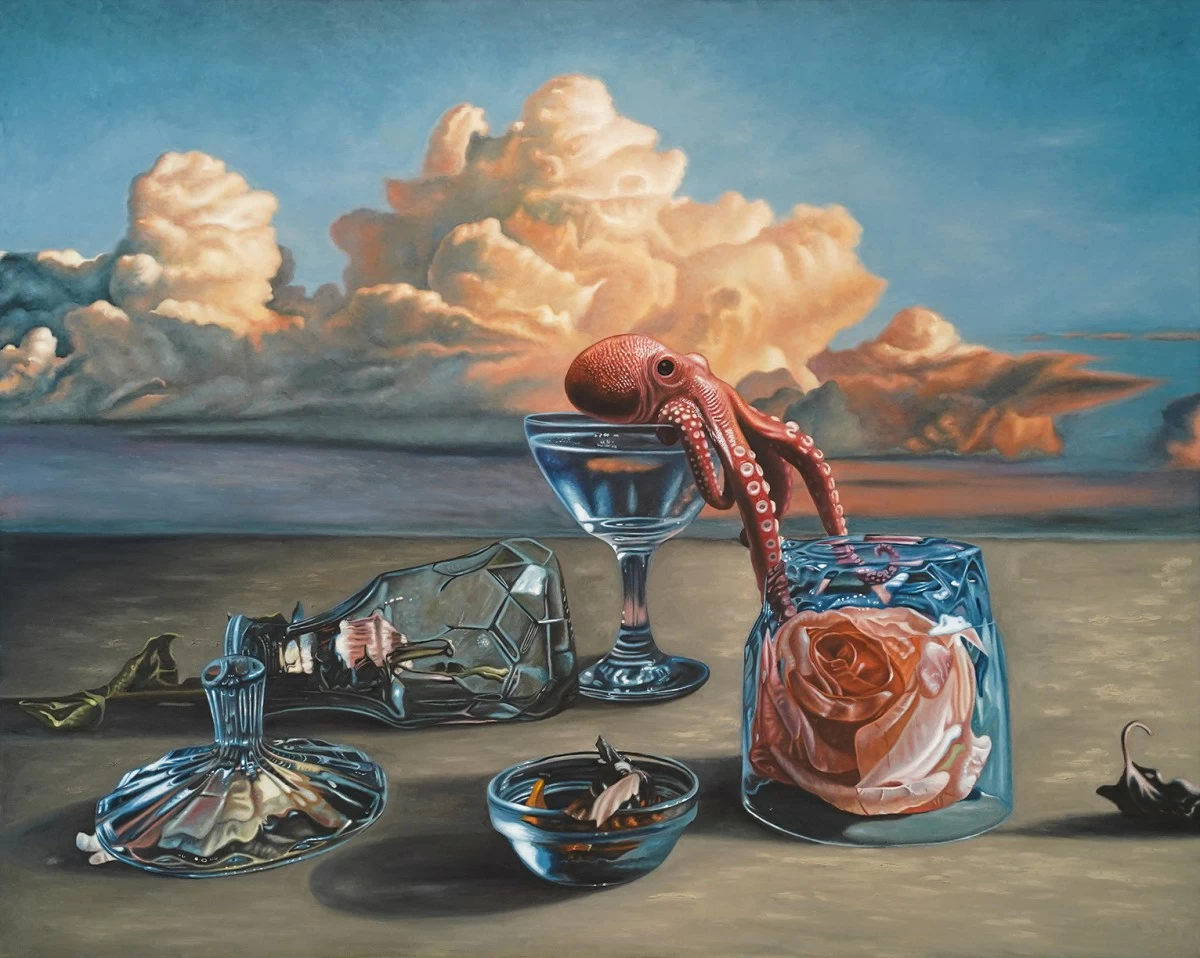
'FRAGMENTS OF NATURE'S MEMORY,' oil on canvas, 48x60 inches, 2025
Among the compelling works on display, Jep reveals a particular affinity for “Nature’s Fragment and Memory.” “I try to add different subjects like the octopus,” he explains.
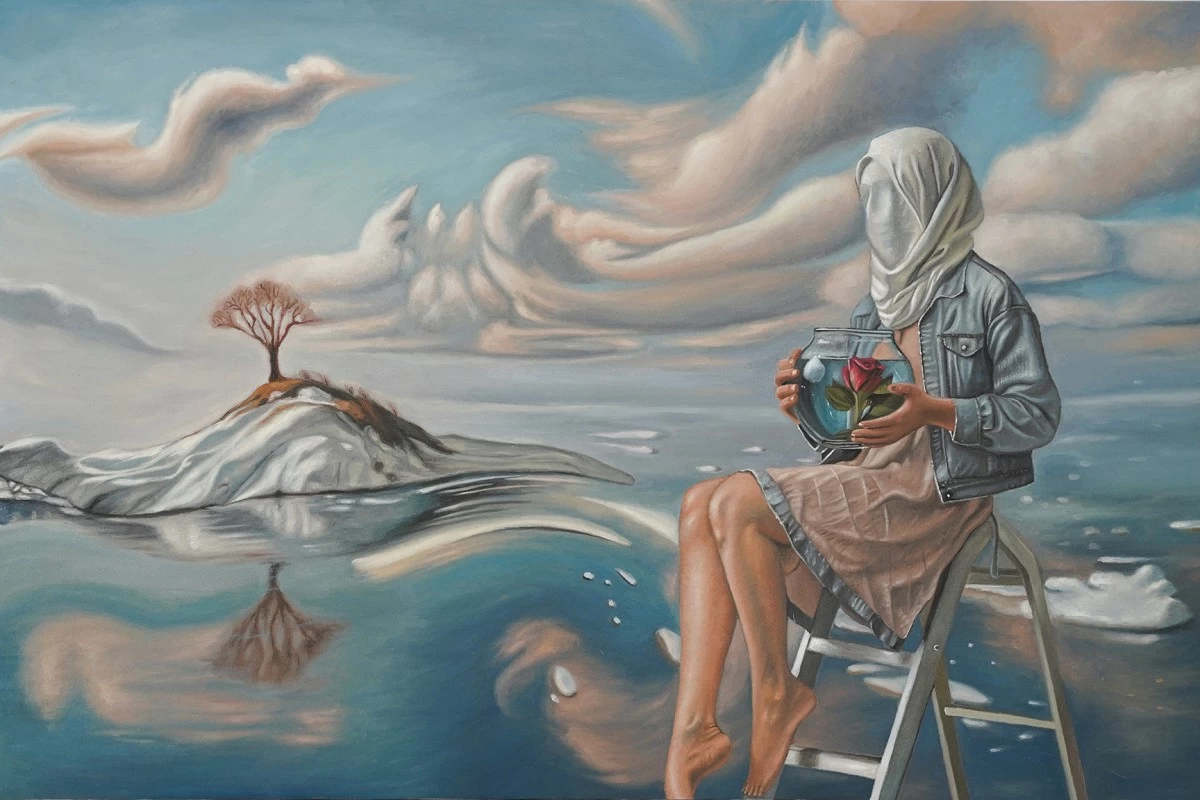
'GLACIERS STILLNESS,' oil on canvas, 24x36 inches, 2025
Inside his studio, his creative process is a mix of traditional techniques and modern technology. “I began to work with my imagination. Then photography before doing it on Photoshop and AI for the reference. Then, I render it on canvas,” he says. He finds particular solace in his environment, noting, “My favorite day is a rainy day. I find the sound of raindrops meditating.”
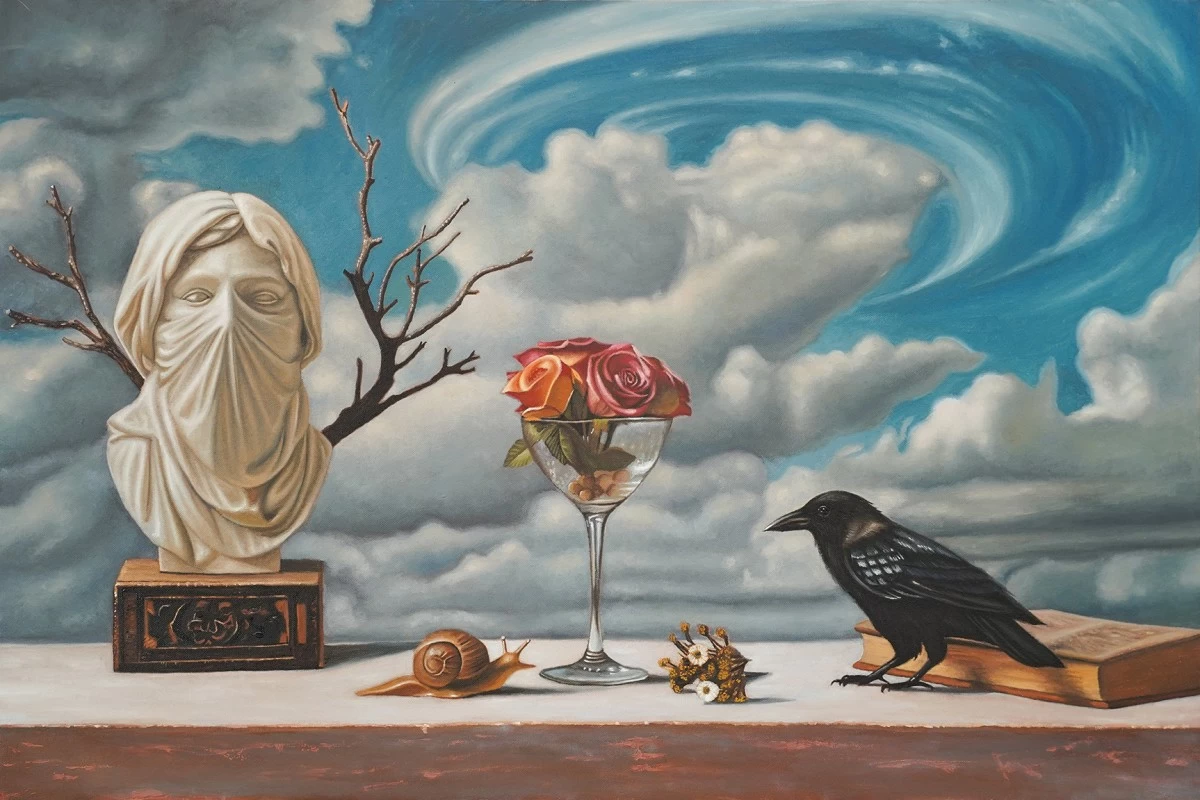
'NATURE'S PREY,' oil on canvas, 24x36 inches, 2025
Preparing for his current exhibit was not without its hurdles. “The most challenging part is when I am experimenting on my subject. Sometimes, I feel it lacks composition,” Jep admits. His solution, however, speaks to his adaptability and openness to new methodologies. “So, I use another tool which is AI to put what is lacking to the whole composition.”
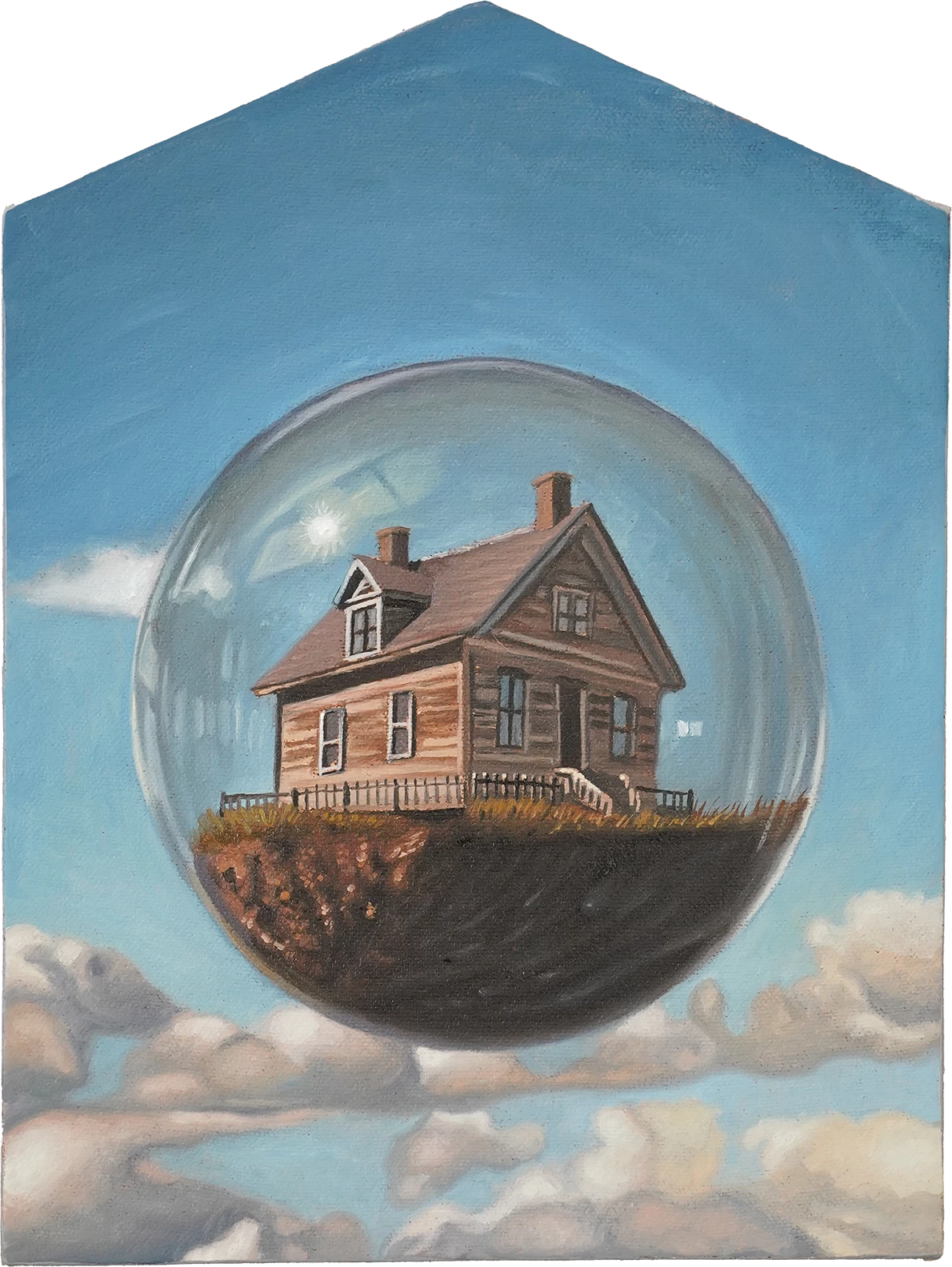
'RETREAT,' oil on canvas, 12x9 inches, 2025
Ultimately, Jep hopes that viewers will leave “Object’s Nature, Nature’s Object” with a sense of peace and tranquility. “I hope they feel more relaxed and more light because what they feel becomes part of my healing,” he expresses. By recognizing the nature of objects and the objecthood of nature, he gestures toward an intimate cosmology where self and environment are entwined. His exhibit is a still life of not just things but of being.
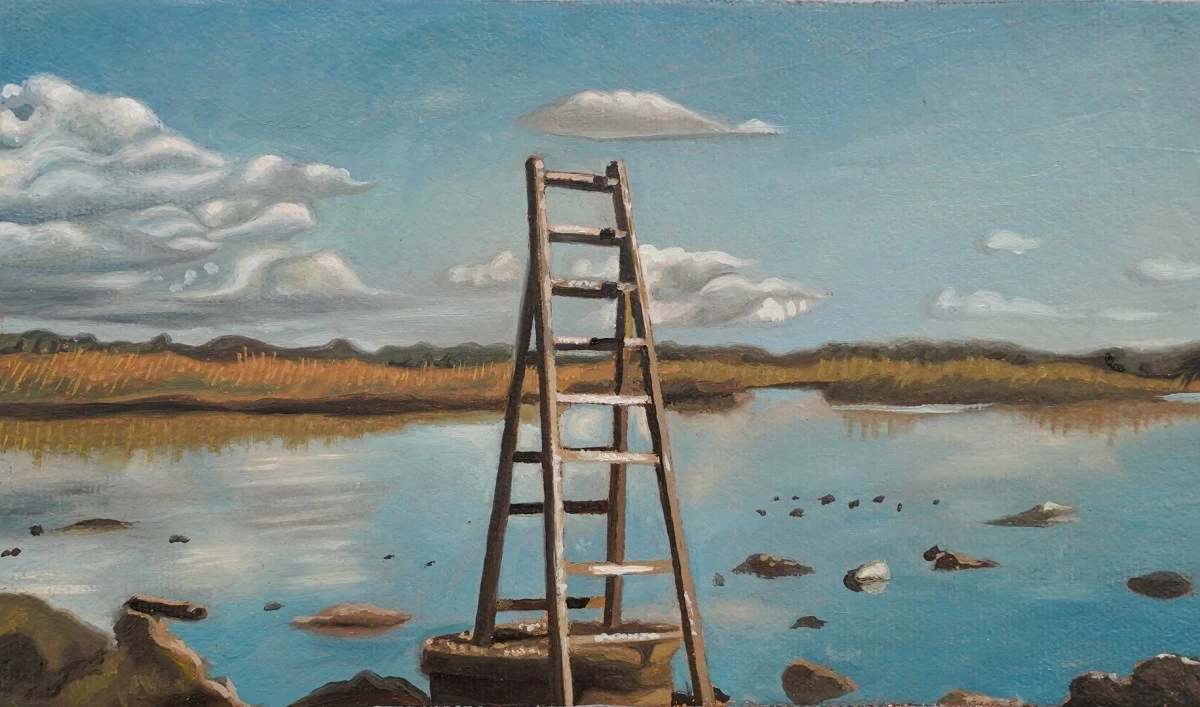
'SOLUS,' oil on canvas, 6x10 inches, 2025
“Objects Nature, Nature’s Object” runs until June 28, 2025 at Art Cube Gallery, OPVI Centre, Chino Roces Extension, Makati City.
ADVERTISEMENT
.most-popular .layout-ratio{ padding-bottom: 79.13%; } @media (min-width: 768px) and (max-width: 1024px) { .widget-title { font-size: 15px !important; } }

{{ articles_filter_1561_widget.title }}

.most-popular .layout-ratio{ padding-bottom: 79.13%; } @media (min-width: 768px) and (max-width: 1024px) { .widget-title { font-size: 15px !important; } }

{{ articles_filter_1562_widget.title }}

.most-popular .layout-ratio{ padding-bottom: 79.13%; } @media (min-width: 768px) and (max-width: 1024px) { .widget-title { font-size: 15px !important; } }

{{ articles_filter_1563_widget.title }}

{{ articles_filter_1564_widget.title }}

.mb-article-details { position: relative; } .mb-article-details .article-body-preview, .mb-article-details .article-body-summary{ font-size: 17px; line-height: 30px; font-family: "Libre Caslon Text", serif; color: #000; } .mb-article-details .article-body-preview iframe , .mb-article-details .article-body-summary iframe{ width: 100%; margin: auto; } .read-more-background { background: linear-gradient(180deg, color(display-p3 1.000 1.000 1.000 / 0) 13.75%, color(display-p3 1.000 1.000 1.000 / 0.8) 30.79%, color(display-p3 1.000 1.000 1.000) 72.5%); position: absolute; height: 200px; width: 100%; bottom: 0; display: flex; justify-content: center; align-items: center; padding: 0; } .read-more-background a{ color: #000; } .read-more-btn { padding: 17px 45px; font-family: Inter; font-weight: 700; font-size: 18px; line-height: 16px; text-align: center; vertical-align: middle; border: 1px solid black; background-color: white; } .hidden { display: none; }
function initializeAllSwipers() { // Get all hidden inputs with cms_article_id document.querySelectorAll('[id^="cms_article_id_"]').forEach(function (input) { const cmsArticleId = input.value; const articleSelector = '#article-' + cmsArticleId + ' .body_images'; const swiperElement = document.querySelector(articleSelector); if (swiperElement && !swiperElement.classList.contains('swiper-initialized')) { new Swiper(articleSelector, { loop: true, pagination: false, navigation: { nextEl: '#article-' + cmsArticleId + ' .swiper-button-next', prevEl: '#article-' + cmsArticleId + ' .swiper-button-prev', }, }); } }); } setTimeout(initializeAllSwipers, 3000); const intersectionObserver = new IntersectionObserver( (entries) => { entries.forEach((entry) => { if (entry.isIntersecting) { const newUrl = entry.target.getAttribute("data-url"); if (newUrl) { history.pushState(null, null, newUrl); let article = entry.target; // Extract metadata const author = article.querySelector('.author-section').textContent.replace('By', '').trim(); const section = article.querySelector('.section-info ').textContent.replace(' ', ' '); const title = article.querySelector('.article-title h1').textContent; // Parse URL for Chartbeat path format const parsedUrl = new URL(newUrl, window.location.origin); const cleanUrl = parsedUrl.host + parsedUrl.pathname; // Update Chartbeat configuration if (typeof window._sf_async_config !== 'undefined') { window._sf_async_config.path = cleanUrl; window._sf_async_config.sections = section; window._sf_async_config.authors = author; } // Track virtual page view with Chartbeat if (typeof pSUPERFLY !== 'undefined' && typeof pSUPERFLY.virtualPage === 'function') { try { pSUPERFLY.virtualPage({ path: cleanUrl, title: title, sections: section, authors: author }); } catch (error) { console.error('ping error', error); } } // Optional: Update document title if (title && title !== document.title) { document.title = title; } } } }); }, { threshold: 0.1 } ); function showArticleBody(button) { const article = button.closest("article"); const summary = article.querySelector(".article-body-summary"); const body = article.querySelector(".article-body-preview"); const readMoreSection = article.querySelector(".read-more-background"); // Hide summary and read-more section summary.style.display = "none"; readMoreSection.style.display = "none"; // Show the full article body body.classList.remove("hidden"); } document.addEventListener("DOMContentLoaded", () => { let loadCount = 0; // Track how many times articles are loaded const offset = [1, 2, 3, 4, 5, 6, 7, 8, 9, 10]; // Offset values const currentUrl = window.location.pathname.substring(1); let isLoading = false; // Prevent multiple calls if (!currentUrl) { console.log("Current URL is invalid."); return; } const sentinel = document.getElementById("load-more-sentinel"); if (!sentinel) { console.log("Sentinel element not found."); return; } function isSentinelVisible() { const rect = sentinel.getBoundingClientRect(); return ( rect.top < window.innerHeight && rect.bottom >= 0 ); } function onScroll() { if (isLoading) return; if (isSentinelVisible()) { if (loadCount >= offset.length) { console.log("Maximum load attempts reached."); window.removeEventListener("scroll", onScroll); return; } isLoading = true; const currentOffset = offset[loadCount]; window.loadMoreItems().then(() => { let article = document.querySelector('#widget_1690 > div:nth-last-of-type(2) article'); intersectionObserver.observe(article) loadCount++; }).catch(error => { console.error("Error loading more items:", error); }).finally(() => { isLoading = false; }); } } window.addEventListener("scroll", onScroll); });

Sign up by email to receive news.