






Manila Bulletin
 Philippines
National
CHR laments 'continued occurrences' of red-tagging, media killings
Philippines
National
CHR laments 'continued occurrences' of red-tagging, media killings
Philippines
National
CHR laments 'continued occurrences' of red-tagging, media killings
CHR laments 'continued occurrences' of red-tagging, media killings
Published Jun 20, 2025 11:34 am


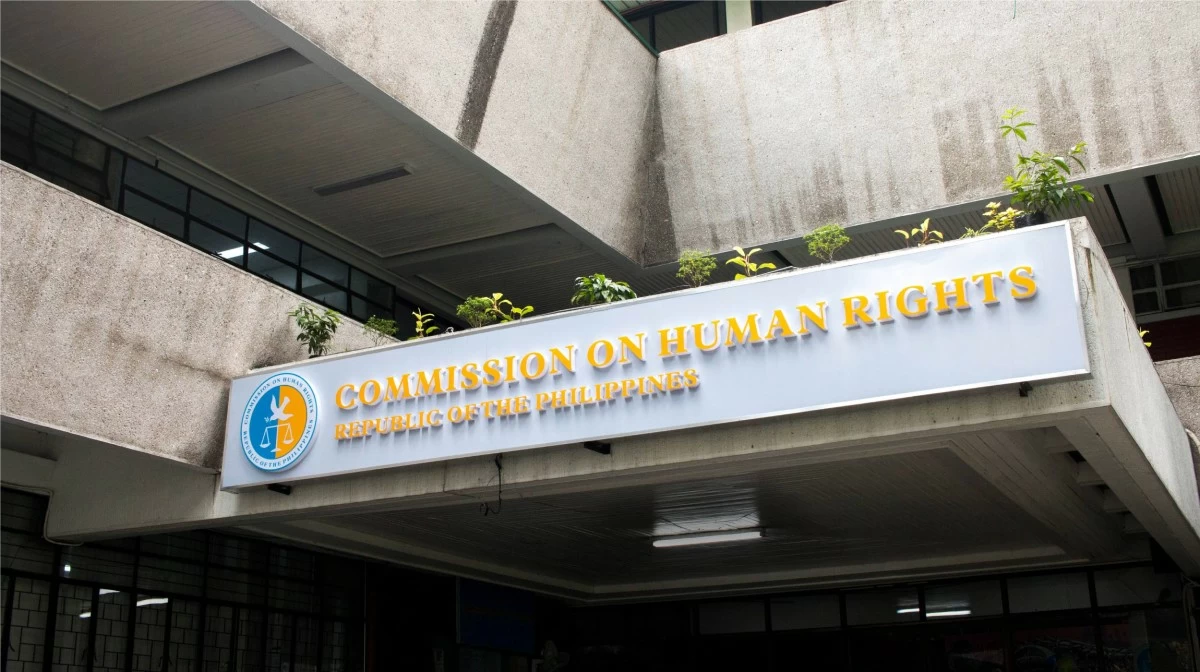
The Commission on Human Rights (CHR) laments “the continued occurrences” in the country of red-tagging, cases of enforced disappearances and media killings, incidents of arbitrary detention, and vilification of human rights defenders.
It cited the report issued by Irene Khan, United Nations (UN) Special Rapporteur on Freedom of Opinion and Expression, who visited the Philippines in January 2024.
In a statement, the CHR said that Khan met with the commission’s officials and discussed opportunities for improvement, challenges, and commendable initiatives related to the state of freedom of opinion and expression in the Philippines.
In her report, the CHR said that Khan stated that while President Marcos has made positive pronouncements in support of human rights, they are not enough to make a meaningful difference to the state of freedom of expression in the Philippines.
Khan’s report pushed for the government to “review and amend the Anti-Terrorism Act of 2020 to bring it into line with international human rights norms and standards, as the issue of red-tagging persists in the country, the CHR said.
Also, the CHR said that Khan reiterated her call to abolish the National Task Force to End Local Communist Armed Conflict (NTF-ELCAC) and that the Presidential Task Force on Media Security (PTFOMS) needs a fundamental reform.
At the same time, it said that Khan pushed for the decriminalization of libel, as well as “a dedicated special prosecutor for crimes against journalists and human rights defenders, who could also be a useful means to address impunity.”
It pointed out that Khan’s recommendations align with the vision where every Filipino can participate in a healthy ecosystem of truthful information.
Also in its statement, the CHR lamented that the problems they discussed with Khan continue to persist to this day. It said it condemns all forms of censorship, such as the takedown or blocking of media outlets and websites, alongside the lack of proactive measures to support self-regulating media entities.
Thus, the CHR urged the government to act on the need to enhance the country’s legal framework to protect civil society, media workers, and other stakeholders from any threats to press freedom, dissent, and civic participation.
These include proposed legislation such as the Media Workers’ Welfare Bill and Journalist Protection Bill, as well as existing mechanisms like Administrative Order No. 35 (creating an inter-agency task force on extrajudicial killings) and Executive Order No. 31, the decriminalization of libel, and a re-examination of key provisions of the Anti-Terrorism Act of 2020, it said.
It highlighted the need to further strengthen the implementation of the Philippine Plan of Action on the Safety of Journalists and expand the mandate of the Presidential Task Force on Media Security to improve the working conditions of Filipino journalists.